
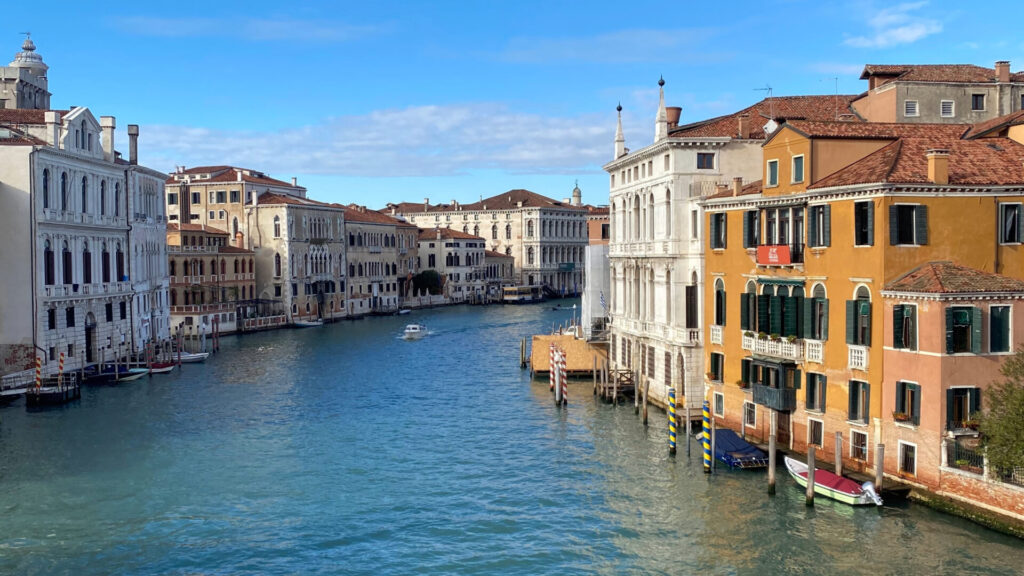
Venice is one of Italy’s most romantic destinations, well known for its amazing history and architecture. The sinking city, which drops around 1-2 mm a year due to flooding, is built on 118 islands that are connected by the city’s iconic bridges and canals. It’s a labyrinth that you can easily traverse on foot and explore within a brief weekend away.
It’s one of those places you’ll likely return to, so don’t feel the need to rush things during your stay. Plan each day wisely using our expert tips to experience what makes Venice truly special.
Before you organise your trip, you should note that Venice requires all visitors to have a QR code for entry during peak dates. Those staying overnight are exempt, but you still need to register for an exemption voucher. If you’re visiting for the day between 8:30 a.m. and 4 p.m., you should book this more than four days before to secure the €5 fee rather than the €10 for last-minute entries. Failure to do so could lead to a fine.
Day 1 – Explore the Main Landmarks in San Marco
St. Mark’s Square
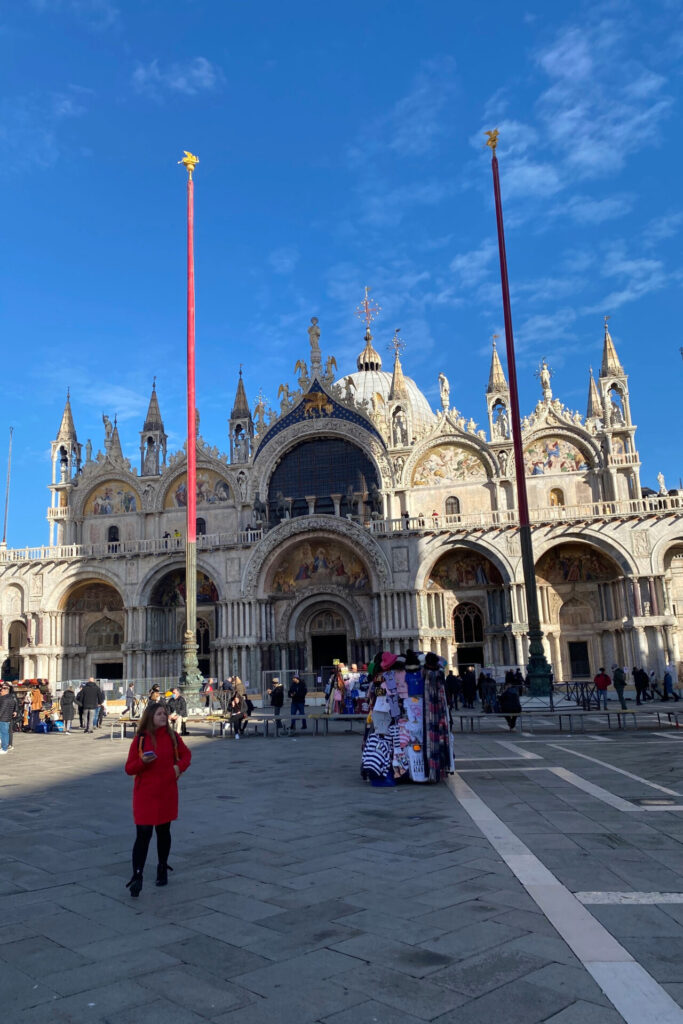
Piazza San Marco is Venice’s main square, and arguably the top attraction for visitors. A top tip, especially if you want a clear picture free from hundreds of tourists, is to turn up before 7:30 a.m. or after 5 p.m. If you visit during a time when the tide is high, the city sets up wooden walkways, meaning you’re still able to explore.
St. Mark’s Basilica
Within the square, there’s St. Mark’s Basilica, identified by its Italo-Byzantine architecture and gold mosaics that coat the domes and walls. You’ll be in awe at the time and effort put into constructing the church, particularly the Pala d’Oro, which is an altar made of gold and covered in gems.
If you have time and don’t mind paying a small additional fee, it’s worth exploring the Loggia dei Cavalli. The balcony contains the bronze horses that were originally stolen from Constantinople. The dress code is strict here in the basilica. Make sure you wear long trousers and a top that covers the shoulders before entering.
Doge’s Palace
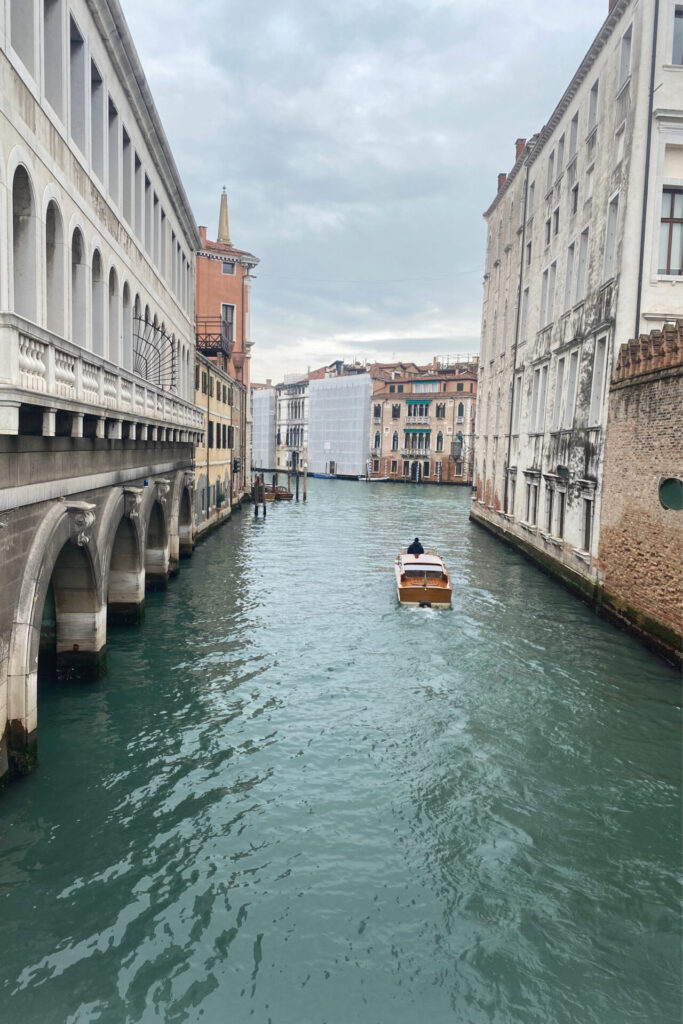
Next, head opposite the basilica to the Doge’s Palace, which is on the waterfront side of St Mark’s Square. The palace is the former seat of Venetian power, featuring Gothic architecture and the Bridge of Sighs. If you paid for the St. Mark’s Square Museums pass, you’ll be able to access both landmarks as well as the Museo Correr, which houses some of the most incredible pieces of art from Venetian history.
Some travellers choose to book the ‘Secret Itineraries’ tour that takes you through the hidden prisons in the palace, as well as the office of the Great Council. It’s the best way to properly experience its history.
Caffè Florian
Under the arches of the Procuratie Nuove, there’s what many consider to be the oldest coffee shop in Italy. Since 1720, Caffè Florian has served tourists in the area. Their Venezia 1720 blend, while rather costly, is worth it for those who want a taste of history. Enjoy your beverage while listening to the orchestra playing outside (note that this may come with an additional €6- €7 surcharge).
The Royal Gardens
Only a few minutes’ walk from Doge’s Palace, you’ll find the Royal Gardens (Giardini Reali)), one of Venice’s only green spaces. Napoleon Bonaparte originally commissioned the gardens in the 19th century as an exclusive retreat. The space was explicitly designed so the ruling elite could distance themselves from the commoners gathered in the public square.
Following a six-million-euro investment in 2019, the space was beautifully restored under the guidance of landscape architect Paolo Pejrone. He introduced sustainable greenery and vibrant flora, while carefully restoring the historic cast-iron pergola wrapped in Japanese wisteria.Visitors in 2026 can expect to see sculptures tucked away behind hydrangea bushes and art installations inside the greenhouse. It’s also free to enter, open Wednesday-Sunday until 7 p.m. during the summer and 5 p.m. in the winter.
Harry’s Bar
Top the day off with a trip to Venice’s famous bar, which was declared a national landmark by the Italian Ministry of Cultural Affairs in 2001. Since the 1930s, Harry’s Bar has been serving classic Italian cocktails and dishes, including the classic Bellini and beef carpaccio.
While it’s not incredibly fancy, the establishment does require visitors to wear smart casual clothing, such as shoes and trousers. Expect premium pricing, as a single drink here can easily cost €22. However, the price tag is well worth it to sample a true slice of heritage.
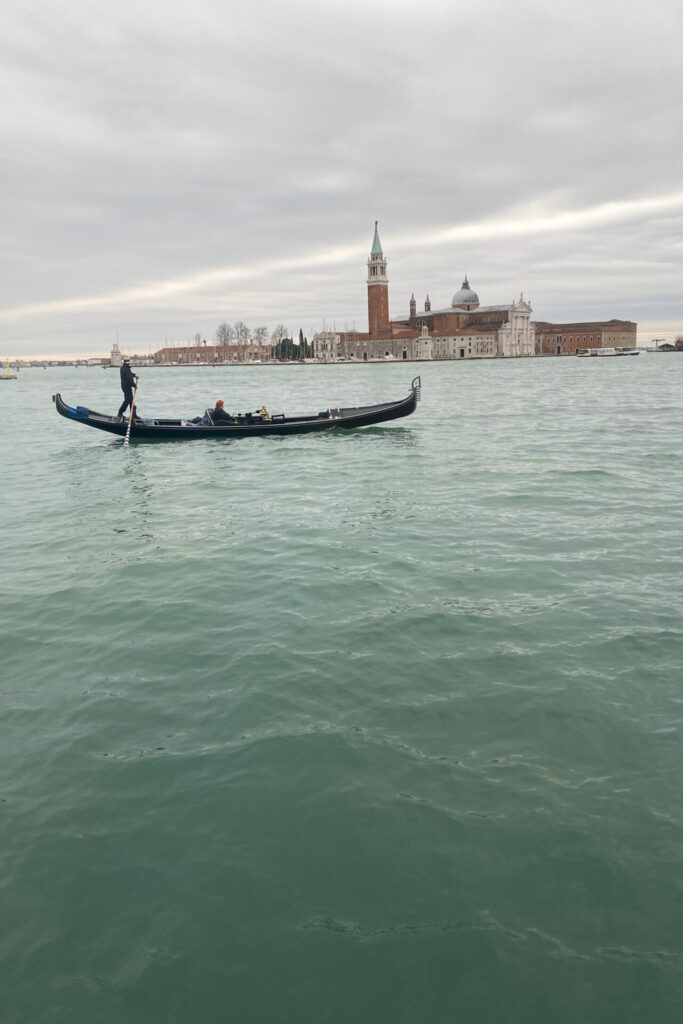
Day 2 – Visit the Nearby Islands of Murano and Burano by Boat
On your second day, consider a trip to the islands of Burano and Murano. While there are hundreds of islands, these are the two worth visiting during a short stay.
Murano
In the early morning, head to the Fondamente Nove pier, where you can board the Line 12 Vaporetto to Murano. The trip typically only takes around 10 minutes, so take time to photograph the waters and nearby buildings from afar.
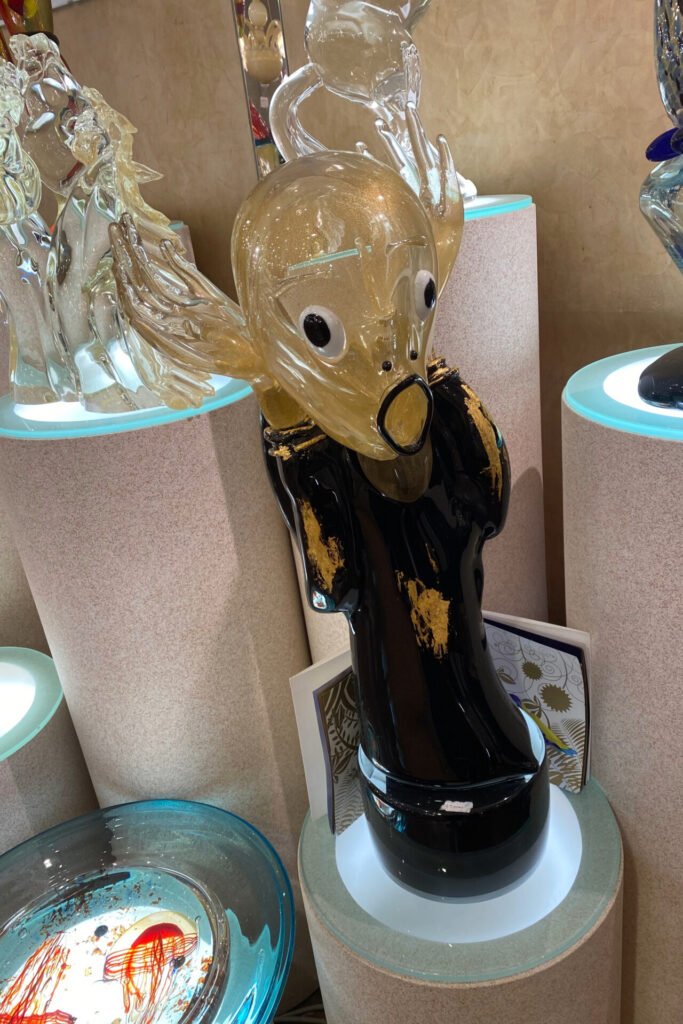
No trip to Murano is complete without watching a glassblowing demonstration, a craft that has made the island globally famous for its intricate artwork. Head over to top studios like Wave Murano Glass or Guarnieri to watch master artisans pull molten glass from roaring furnaces and expertly shape it into stunning vases and drinkware. You can then purchase one for yourself at the gift shops to display in your home.
After, you can explore the Basilica di Santa Maria e San Donato, one of the oldest churches in the area. It features incredible mosaics of geometric patterns and animals, and an altar made from whale bones.
Burano
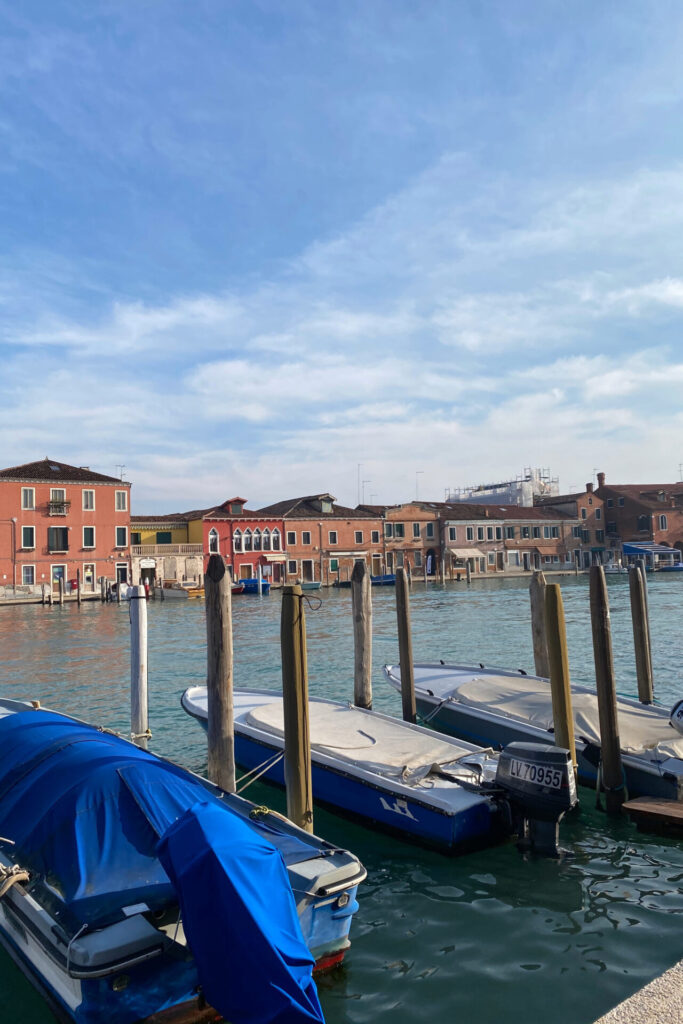
Head back to the Murano Faro stop where you first arrived. From there, hop back on Line 12 for the scenic 30-minute ride to Burano. You’ll know you’re in the fishing village when you see the famous multi-coloured houses, perfect for a selfie.
A must-see while you’re in Burano is the Lace Museum, where you’ll learn about the history behind the material, and it only costs around €6 to enter. Be sure to purchase some lace products from local vendors along Baldassarre Galuppi as you walk around the streets.
You’ll likely now be feeling a little peckish, so head over to one of the independent cafes or restaurants for a bite to eat. In particular, Trattoria al Gatto Nero and Trattoria da Romano serve the best dishes, including risotto de gò, which is made from freshly caught goby.
Torcello
If you still find yourself with time to spare, take the shuttle boat at Line 9 (or Line 12) to Torcello. After a five-minute journey, you’ll arrive at an island that only a handful of locals call home. Here, you can sit in Attila’s Throne and visit the Cathedral of Santa Maria Assunta.
Once you’ve finished exploring, take Line 12 back to your starting point at Fondamente Nove. If your timing is right, sit on the right side of the boat to catch a gorgeous view of the Venetian sunset.
Lido di Venezia
Another honourable mention is Lido, which you can reach from Venice via Line 1 (slow boat) or Line 5.1/5.2 (express boats) from San Zaccaria, a stone’s throw from San Marco. Step off the boat at the Santa Maria Elisabetta pier and take a short walk down the road. This leads straight to Blue Moon beach, which is absolutely beautiful in the summer.
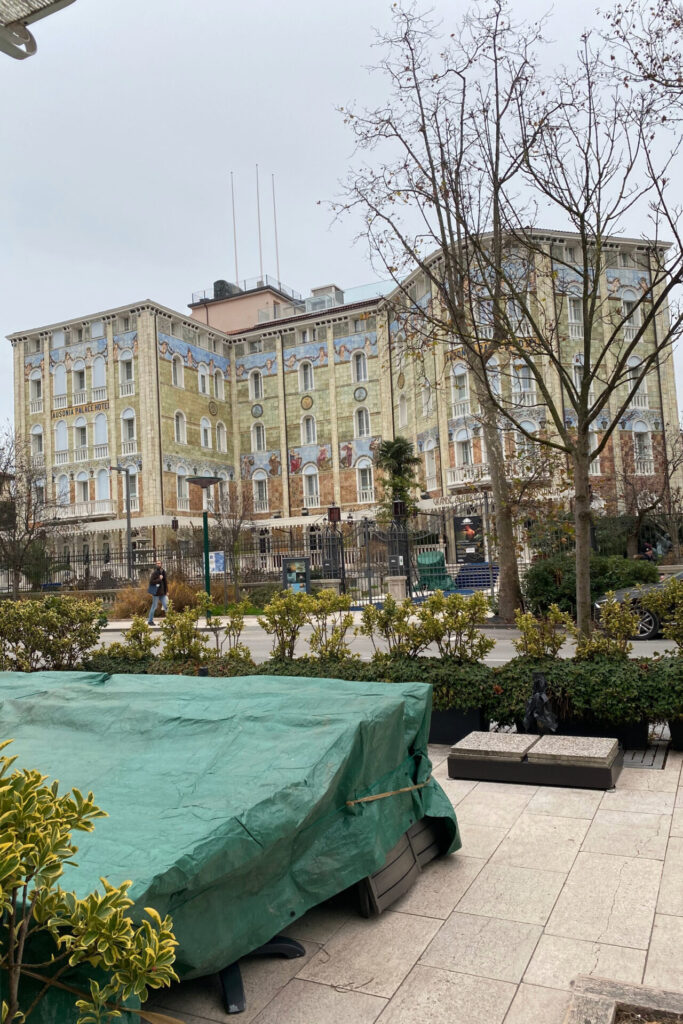
Rent a bike to explore the scenic paths down to Alberoni. Alternatively, take a stroll down Gran Viale Santa Maria Elisabetta to admire the island’s iconic Art Deco buildings. It’s almost a day trip in itself.
Day 3 – Take Things Slow and Explore the Art Museums in Dorsoduro
On your final day, you’re likely looking for something a little more slow-paced and closer to your accommodation. The artistic district of Dorsoduro is the ideal way to avoid the crowds and delve into Venice’s cultural side.
Gallerie dell’Accademia
Start your day at the Gallerie dell’Accademia, home to an extensive collection of pre-19th-century art in Venice, including Giorgione, Titian, Tintoretto, and Canaletto. The gallery occasionally exhibits Da Vinci’s Vitruvian Man for just a few weeks every six years to prevent light damage. However, you won’t see it unless the museum announces a special exhibition.
Peggy Guggenheim Collection
Exit the museum and walk along the canal to the Palazzo Venier dei Leoni. Here you find where Peggy lived with her dogs, now adorned with a sculpture garden and masterpieces from Picasso and Dali.
Before you leave, head up to the terrace overlooking the Grand Canal. It’s the perfect spot to pause for a quick breakfast or coffee with a view.
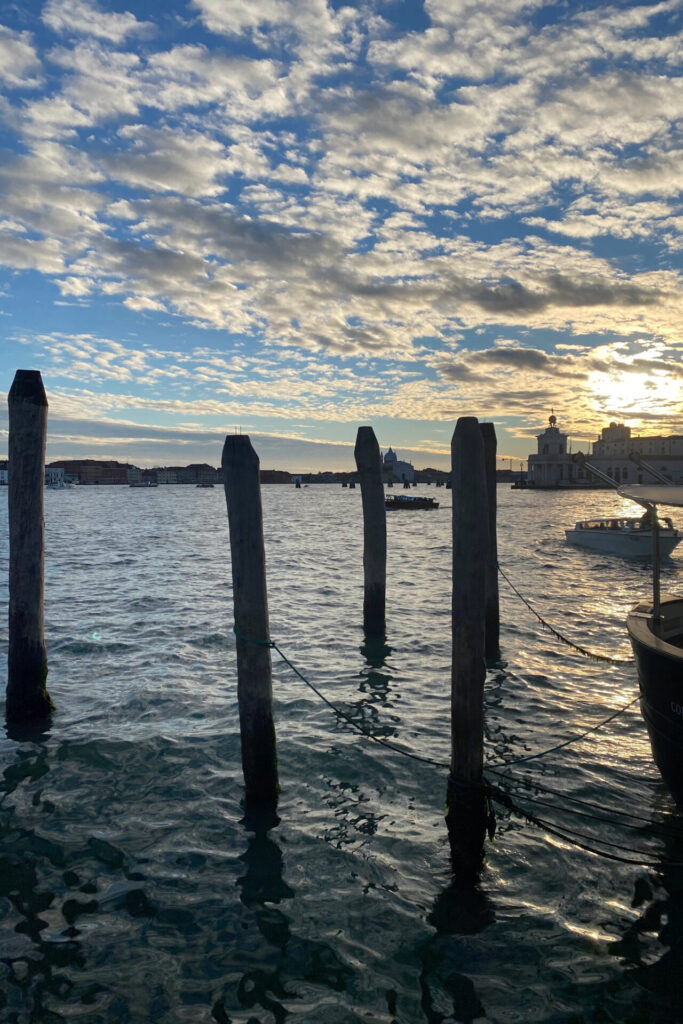
Basilica di Santa Maria della Salute
Located right on the Grand Canal stands a stunning Baroque basilica, built in 1631 to mark the end of a devastating plague. It offers a much quieter experience than the earlier stops on your trip and houses masterpieces by Tintoretto and Titian.
Don’t just simply walk past; venture inside to see the unbelievable artwork for yourself, including the architecture designed by Longhena. It’s often open in the morning and evening but closed during lunchtime, and is free unless you wish to enter the Sacristy which is where the works are displayed. Again, it’s a place of worship, so you must dress appropriately.
If it’s closed as you arrive, consider having lunch at popular places like Ristorante Lineadombra or Gio’s. There’s also a favourite spot among locals called Osteria Al Squero, which is regarded for its Venetian-style tapas and local wines.
The Zattere
End your trip by walking along the waterfront promenade, the Fondamenta delle Zattere. The spot catches plenty of sunshine throughout the day and offers stunning views of Giudecca Island. Grab yourself some traditional Gianduiotto from Gelateria Nico before ordering an Aperol Spritz at Al Chioschetto.