
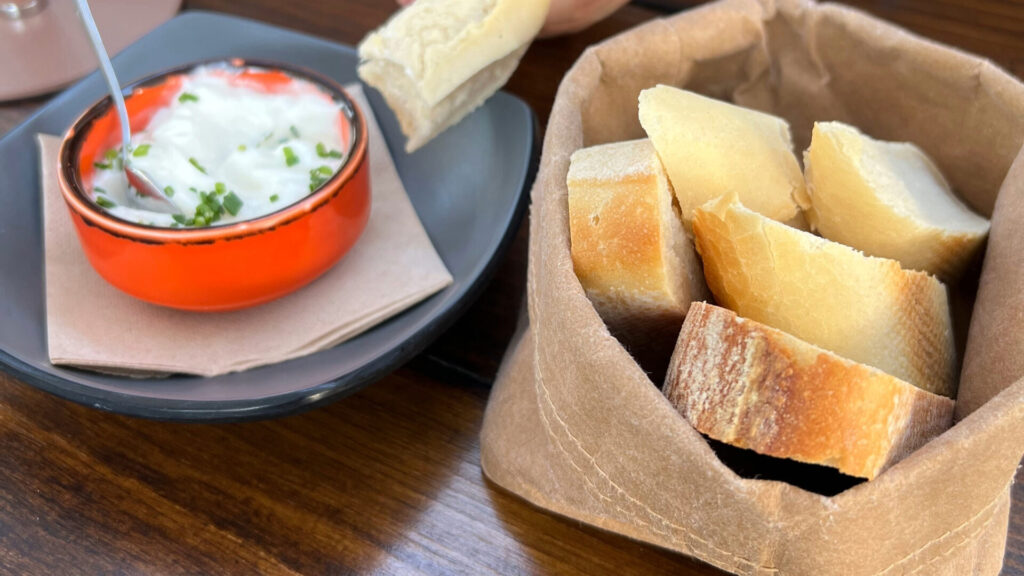
Ever dreamed of hosting a Spanish tapas night at home with your nearest and dearest? It’s easier than you think with the right menu and a lively ambiance, as well as a few carefully chosen beverages.
If you want to learn how to craft your very own Spanish-themed night, we’ll guide you through easy and authentic tapas recipes that won’t crowd your kitchen. In this guide, you’ll also find traditional Spanish drinks (like homemade sangria), a stress-free hosting timeline, and simple ways to set the mood.
Get ready to pour the cava and tuck into some traditional Spanish delicacies without the hassle.
What is a Tapas Night?
Tapas is a popular way of eating that comes from Spain, which typically includes lots of different dishes shared among groups. It’s essentially an evening where friends and family can get together and enjoy delicious food in each other’s company.
The term ‘tapas’ is said to come from the Spanish verb tapar, which means ‘to cover’. This is because waiters would historically protect food with wine glasses to protect the food from insects.
Regardless of this, the purpose of tapas is to provide small bites of tasty food that perfectly complement your drinks. While offerings can vary depending on the region in Spain, such as Andalusia and the Basque Country, you’ll always find classics like Tortilla Española, Patatas Bravas, and Croquetas.
How to Plan Your Tapas Food Menu
When organising your tapas menu, you need to take into consideration your prep and cooking times and the types of dishes that your guests will enjoy. This will largely depend on your cooking methods, too, as you should avoid tapas that all require using the oven or stove at the same time.
Aim to prepare a few cold or no-cook dishes, oven or baked dishes, and stove dishes. You’ll also want to balance heavy and light elements to keep palates refreshed. Here are some easy tapas recipes we would recommend for your Spanish-themed night.
Nibbles Board
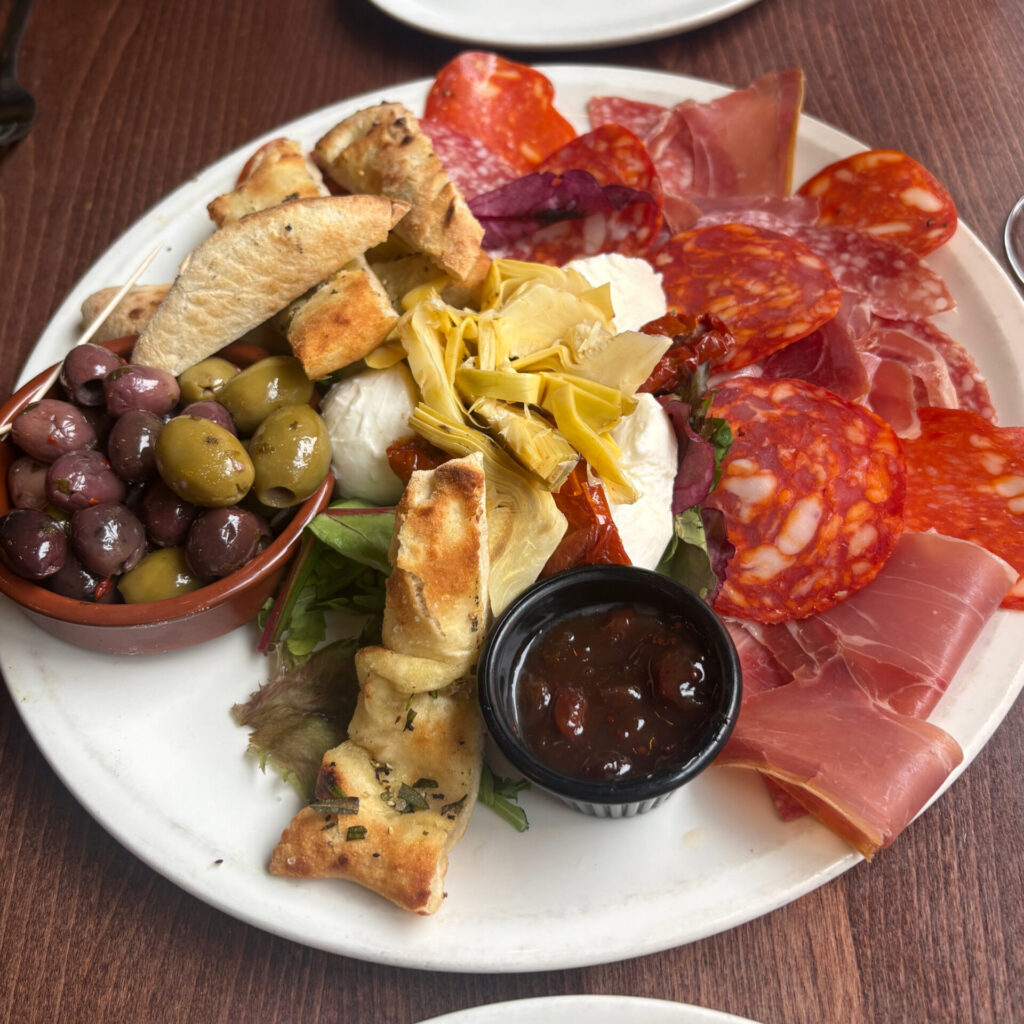
Create a platter (Tabla) that guests can nibble on throughout the evening that requires no cooking. The secret here is to include a mixture of textures from crunchy to soft and a variety of sweet, salty, and acidic flavours. Use a large wooden board or circular plate to layer all of your ingredients.
Start by placing some olives and chutneys in small ceramic bowls to prevent them from soaking into everything else. Then begin to lay out your cured meats – Chorizo, Lomo Embuchado, Salchichón, and Jamón Ibérico are all great choices. Simply roll or fold these loosely so guests can pick them up easily.
Opt for popular cheeses such as Manchego and Goat’s Cheese, and cut these into small triangular wedges or slices, and keep these separated from your meats. Fill any gaps with marinated artichoke hearts, mini breadsticks, Quince jelly, dried figs, and pickled gherkins.
You can pre-make your platter ahead of time, keeping it in the fridge until 20-30 minutes before serving to allow the cheeses and meats to reach room temperature.
Selection of Skewers
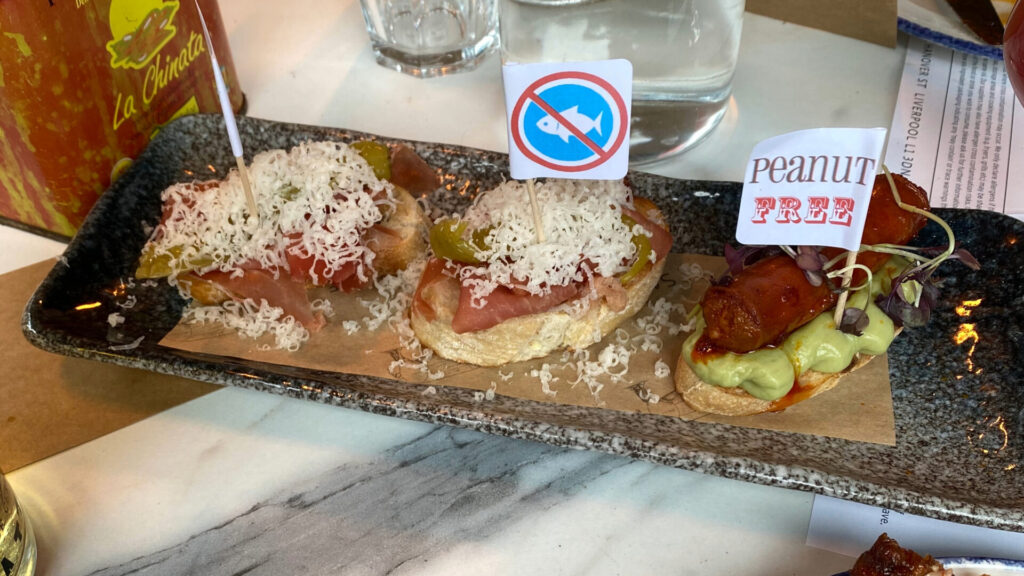
Skewers are a great addition to your tapas party menu since they are both easy to make and eat. In Northern Spain, you’ll often hear locals refer to small snacks as pintxos, which are typically held together with a toothpick and served on top of crusty bread. If you’re using bamboo sticks or skewers to prepare your hot tapas, make sure to soak these in warm water for 30 minutes before assembling.
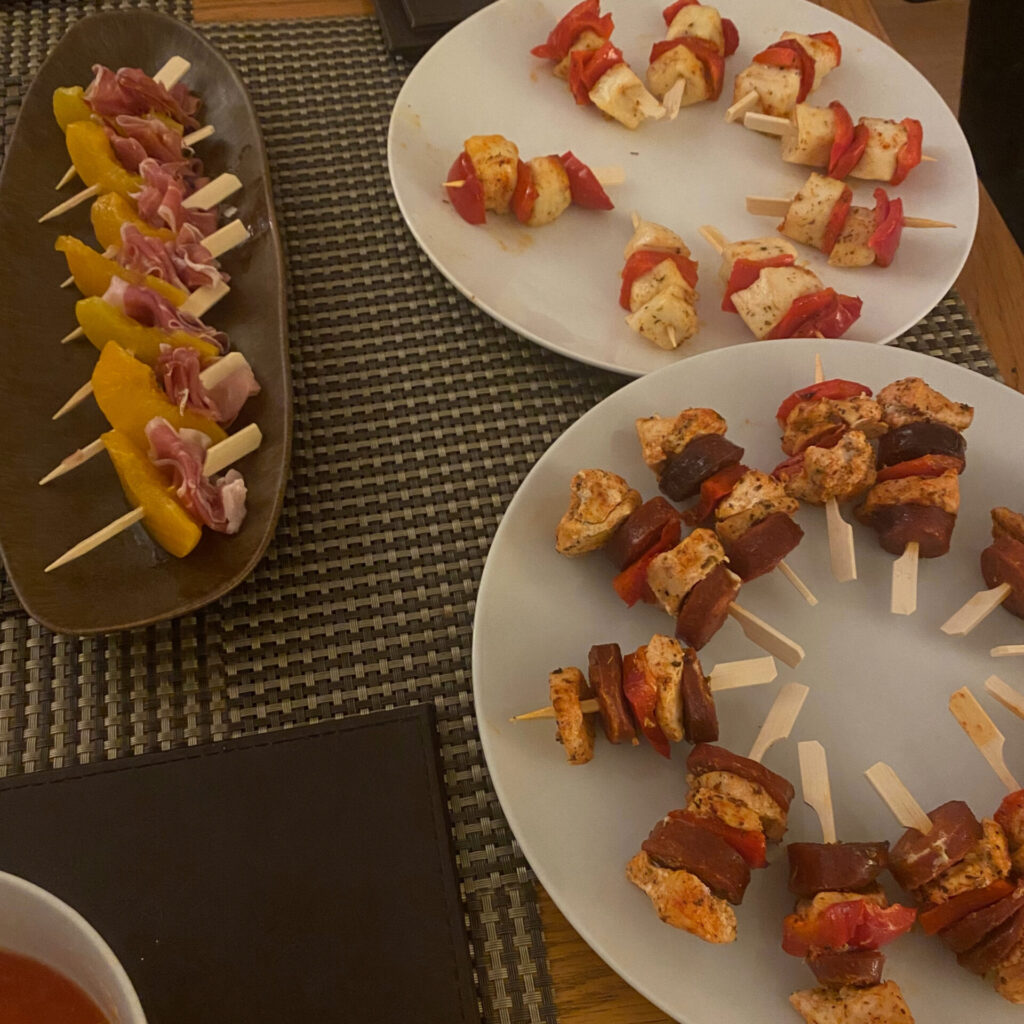
Here are three crowd-pleasing skewer combinations that you can easily prepare at home
- Chicken & Chorizo Skewers – Alternate Spanish cured chorizo with bite-sized pieces of raw chicken breast coated in smoked paprika. Cook in an air fryer at 190°C for 10-12 minutes, flipping halfway through. You can also cook in the oven for 15-18 minutes at 200°C until the chicken juices run clear.
- Serrano Ham & Apricot Skewers – The perfect combination of salty and sweet, this is a dish that requires no cooking. Cut dried or tinned apricots into bite-sized horizontal pieces and place them onto your sticks. In between each piece, place a folded ribbon of ham.
- Grilled Cheese and Piquillo Pepper Skewers – Pat dry inch-thick cubes of cheese (Formaje or even Halloumi will do nicely). Heat over a non-stick pan or griddle with a brush of oil for one minute on each side. Cut your jarred, roasted peppers into small squares and thread onto your skewer.
Chorizo in White Wine
One of the simplest and tastiest tapas dishes you can make. All that’s required is to cut a string of chorizo into small 1.5 cm rounds. Heat this in a pan with two smashed garlic cloves and flip once they start to sizzle. After a few minutes, pour in your wine (Albariño or Verdejo are good choices) and leave to simmer on low for 10 minutes.
The alcohol needs to cook off, so it may require a little extra time if the sauce is still too thin. You can then serve in a shallow bowl with some crusty bread to mop up the spicy mixture.
Patatas Bravas
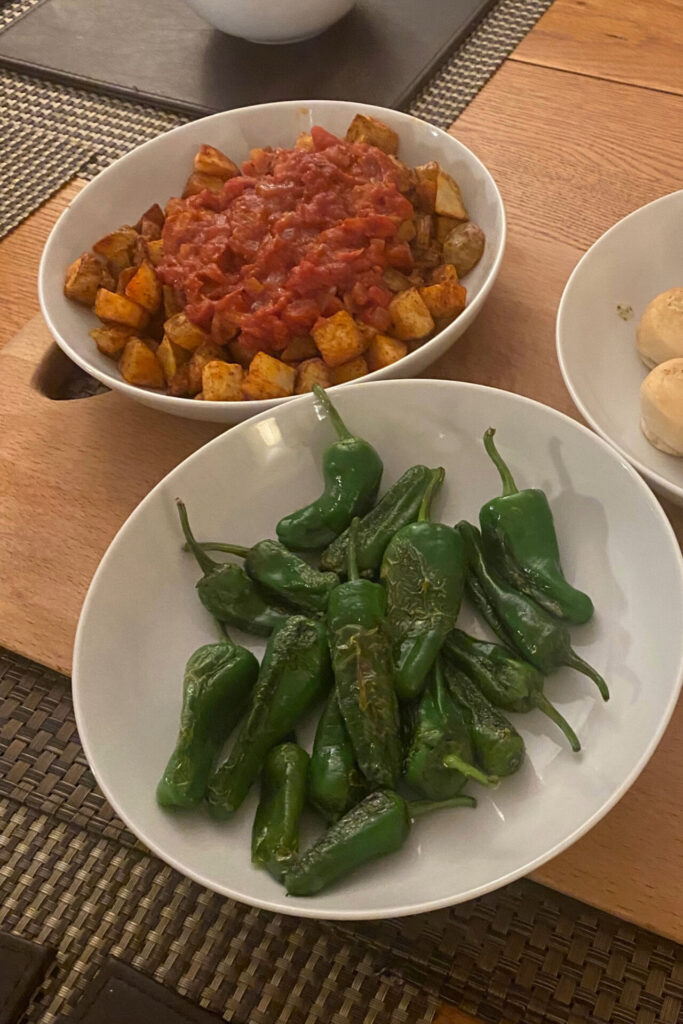
No tapas night is complete without Patatas Bravas, a staple in the Spanish community. The dish comprises cubes of crispy potatoes topped with a spicy tomato sauce and the occasional drizzle of aioli.
You can prepare them by par-boiling your potato cubes in salted water for five minutes and letting them completely steam dry. To create perfectly crisp potatoes, make sure to put these in the oven as soon as your guests arrive.
Drizzle them with plenty of olive oil and cook until crispy. Allow 15-20 minutes at 200°C in the air fryer or 20-30 minutes at 220°C in the oven, turning over every 10 minutes or so.
You can make the spicy tomato sauce and aioli beforehand by following our guide. Or, you can buy a pre-made sauce to make life easier for yourself. It’s vital you serve things fresh and warm.
Gambas al Ajillo
Prawns are a great addition to your feast and are great to prepare on the night due to their short cooking time. Gambas al Ajillo is a popular dish, comprising raw prawns with extra-virgin olive oil, garlic, and chilli.
Simply fry all your fragrant ingredients for a few minutes and add in patted-dry raw prawns (or shrimp). They should only be cooked for 2 minutes on either side – you’ll know they’re ready when they form a curved shape. Finish the dish off with some sliced lemon and freshly chopped parsley. It’s another dish that requires bread to soak up the flavoursome oil.
Padrón Peppers
A vibrant and vegetarian tapas side dish that goes from fridge to table in five minutes, Padrón Peppers are always a winner. All you need to do is heat up a splash of oil in a heavy skillet and fry for around 3 minutes. You’ll know they’re done when they begin to ‘blister’ and appear charred.
Then, simply sprinkle in flaky sea salt or whatever you have in your cupboard. Let guests know to hold the stem and eat in one. Just be mindful that the odd pepper can be very spicy, so any guests with sensitive taste buds should watch out.
Croquetas (Croquettes)
Croquettes are almost an obsession in Spain, and it’s no surprise why. Who wouldn’t love deep-fried béchamel sauce? While you can make your own, it’s much easier to buy these from the supermarket and prepare them in your oven or air fryer.
To please the entire group, choose a variety of fillings, including cured ham (jamón), cheese, mushrooms, and cod. We personally recommend the Jamón Croquetas from Sainsbury’s that come with Aioli and Pecorino.
Spanish Tortilla
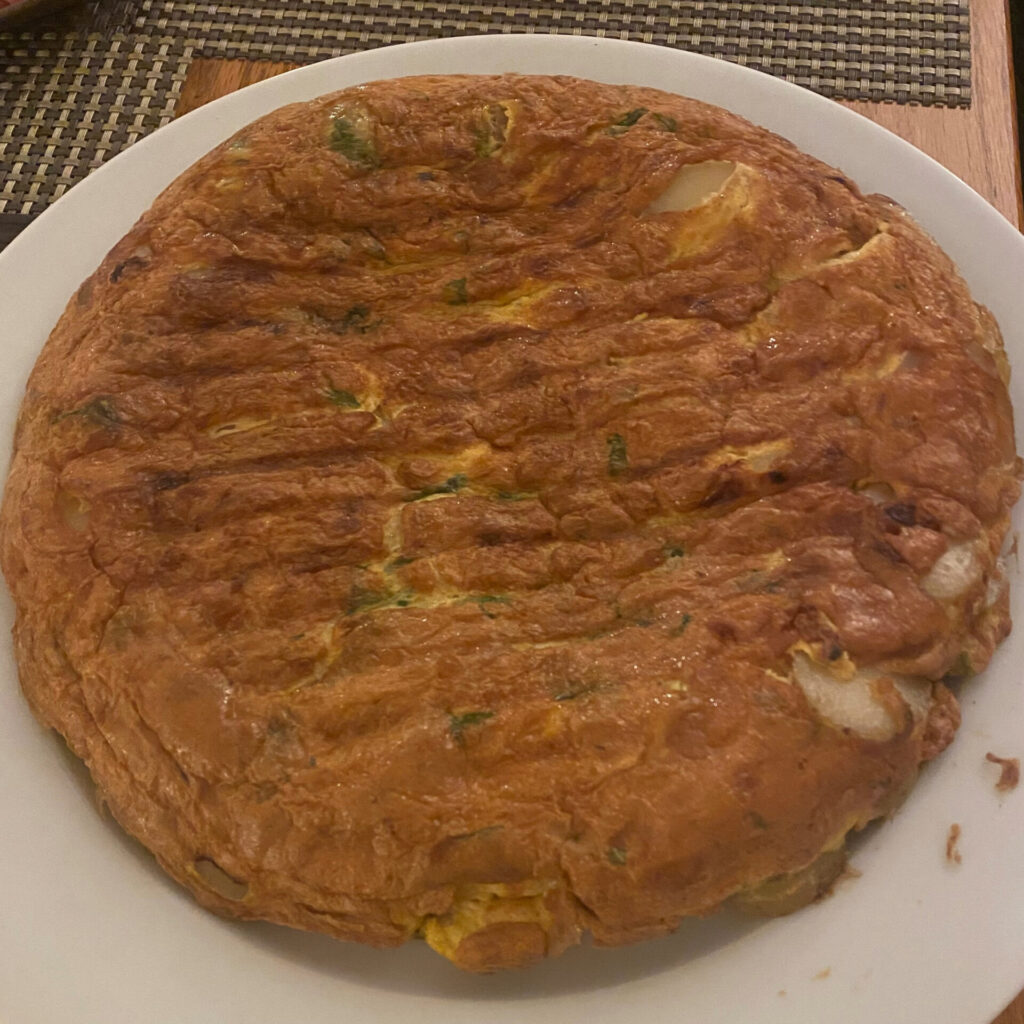
Tortilla de Patatas, or Spanish Tortilla, is another party staple that can be made in advance. The fluffy omelette is made from olive oil, eggs, and potatoes, although the addition of onions is debated in Spain.
While it may seem difficult, the recipe is actually quite easy. The secret here is to slowly simmer thin slices of potatoes (and onions) in a good glug of oil until tender. Then add in beaten eggs. Flip after 15-20 minutes using a large plate and cook for another 20 minutes or so until firm.
About 15 minutes before you plan to serve, allow the Spanish tortilla to reach room temperature and slice it into eight pieces. Don’t forget to place a good-sized bowl of aioli next to your plate.
Paella
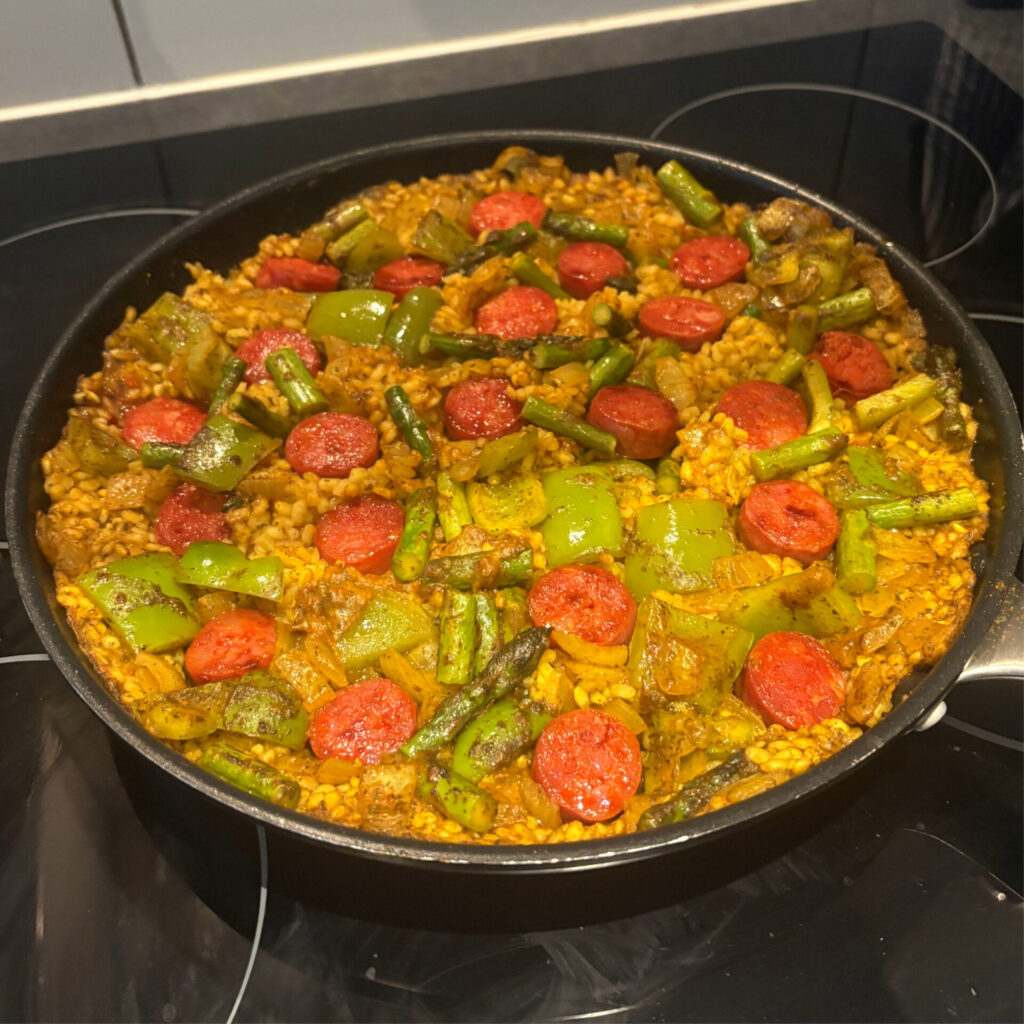
If you’re looking to make one standout dish, a paella is sure to be the star of the show. Cooking an authentic paella takes time and must be made fresh on the night, so give yourself at least 45 minutes to do so.
While we generally like to add chorizo (which is controversial in some parts of Spain), green beans, and asparagus to our paella, you should consider the preferences of your group. Usually, a mix of seafood (king prawns, mussels, and clams) goes down well, although you may wish to play it safe with vegetables like butter beans, red peppers, asparagus, and split peas.
The key steps include cooking your proteins or vegetables first with garlic in a large pan, then adding in your Bomba rice. Toast for a few minutes and pour in your saffron-soaked stock. You want it bubbling hot, and you don’t want to stir it. A traditional paella must have a bottom crust (socarrat) that you can only achieve by leaving it be. Allow the pan to settle for a few minutes before allowing guests to tuck in.
What Drinks to Prepare
For a traditional Spanish tapas night, themed drinks are a must to balance the richness of the dishes. Aim to provide a variety of alcoholic and non-alcoholic beverages to satisfy all guests, particularly if they don’t drink or are driving.
Sangria
The main attraction of your table should be a jug of red wine sangria, which you can easily make ahead of time. Choose a fruity Spanish red wine from your local supermarket, such as a Tempranillo or Garnacha. Throw in some chopped oranges, apples and lemons, as well as some sugar and a stick of cinnamon.
You can top with sparkling water or lemonade if you prefer something a bit sweeter. While not traditional, we much prefer using Fanta lemon. It still offers that sweetness but with a pleasant bitter twist.
Keep it in your fridge until your guests arrive so it’s nice and chilled, serving in wine glasses with ice. Alternatively, you can also make your sangria with white wine or cava (if you prefer additional fizz).
Tinto de Verano
A popular staple during the summers in Spain, Summer Red Wine is lighter than Sangria and easy to make. Simply fill a glass with ice, along with red wine and lemonade in equal amounts. Finish it off with a slice of lemon and serve.
Cava
Fans of prosecco and crémant will adore a sparkling glass of cava. The carbonation is the best palate cleanser between dishes and cuts through the fat of the oils. To find the best brands, look for a Brut or Brut Nature, and serve these in champagne flutes.
Non-Alcoholic Beverages
If you wish to offer some alcohol-free option for guests but still want to keep in line with the theme, grab a pack of alcohol-free Clara de Limón. This is a refreshing shandy made from lemon fizzy pop and non-alcoholic lager.
As an alternative to wine, Mosto is a Spanish grape juice that isn’t overly sweet. You should serve it over ice with a slice of orange in a wine glass.
Step-by-Step Hosting Timeline
Don’t worry about making everything for when guests arrive. Remember, tapas are meant to be served throughout the night once each is ready. You’re meant to enjoy the evening too, so take things at your own pace (like the locals do in Spain).
- The Day Before (Prep ahead) – Buy all of your products and ingredients and begin to make some of your dishes. You can prepare the Spanish Tortilla and sauces for your Patatas Bravas.
- 2 Hours Before (Set the stage) – Set out all of your small plates for your guests to eat from, plate up your nibbles board, and prepare your cocktails. You can begin to assemble your ingredients for your dishes, such as the paella, chorizo in white wine, and Gambas al Ajillo.
- 30 minutes before (Warm items) – Bring your cheese and meat platter to room temperature and pre-heat your oven. Add your potatoes to the oven/air fryer, start your paella, cook your croquettes, and assemble your skewers.
- Once Guests Arrive (Serve in waves) – Serve your cocktails and platter. Make a start on your final dishes, such as the prawns, chorizo, and Padrón peppers. Sit down and enjoy.
How to Set the Mood
Before the first plate even hits the table, you need to create the perfect atmosphere for your evening. There’s no need to go overboard – simpy focus on a few sensory details, and you can transform your space into a welcoming Spanish taverna.
Sort your lighting
Setting the mood for your evening (what Spaniards call el ambiente) is all about creating a casual yet lively atmosphere. You can do this by dimming your lighting and instead using soft alternatives like warm fairy lights and tea lights.
To make the room smell nice, light up some candles around an hour before the main event. So that it pairs well with your flavours, go for scents such as rosemary & thyme, bergamot & neroli, sea salt & driftwood, or citrus.
Create a Playlist
While you want guests to be able to converse without having to shout over the top of each other, background music is key to mimicking a Spanish taverna. There are plenty of playlists available on platforms like Spotify and YouTube.
Focus on instrumental music that involves Spanish guitars or something like lounge music. It entirely depends on the vibe you’re going for – have a listen to a few of the songs first to see if you like it.
Set Your Table
There’s no need to formally set your table. Instead, leave it bare with a linen table runner through the centre. If you’re worried about your table getting damaged, though, lay some brown greaseproof paper across the entire thing. That way, it still looks the part but can be cleaned up easily afterwards. You can even write the names of your dishes on top.
Avoid adding hot plates directly onto the table itself. You should use large wooden chopping boards or marble slabs to serve these dishes. In Spain, you’ll also see terracotta pots or cork trivets being used, so you may wish to invest in some of these for future use.
For ease, place small pots of toothpicks around dishes that involve eating with your hands, as well as a tray of cutlery and napkins. Bring out your cold starters first and, after 10 minutes or so, begin to bring out each hot dish once ready.
FAQs
How Many Tapas Should You Serve Per Person?
The whole purpose of tapas is for everyone to share, so you’ll need to make enough of each plate to fill everyone’s stomachs. Generally, it’s recommended to put out 4-5 different dishes for groups of 4-5 people and 6-8 for groups of 5-8, with at least one portion of each tapa for each guest.
To hit the sweet spot for the types of dishes, aim for:
- 1-2 Bread and Nibbles
- 2-3 Vegetable Dishes
- 1-2 Seafood Dishes
- 1-2 Meat Dishes
How Do You Cater to Dietary Restrictions?
As you’ll be serving lots of different dishes, you need to be mindful of allergies, intolerances, and preferences. Label all of your tapas using flags for the main allergy groups, such as nuts, fish, eggs, and molluscs. Try to keep these items separate during preparation and when placing them on the table.
You can keep things inclusive by making a range of vegetarian, gluten-free, and dairy-free dishes, which is quite easy if you go by our recommended list. It’s also worth notifying guests on what they can and cannot eat. By keeping the packaging of any store-bought items, they can check this for themselves.
Bear in mind that guests should be able to eat at least 60% of the dishes on the table.
How Do I Keep the Tapas Warm While Serving?
You should only serve tapas in waves once ready. However, for dishes like your Croquettes and Patatas Bravas, you can keep them in the oven on a warm setting. Turn the oven to 90°C and carefully remove with gloves when you’re ready to serve.
Can I Use Regular Red Wine for the Sangria?
Of course, there’s no need to go to great lengths to find specific brands. You can always use whatever you have in your cupboards. Try to use a sweeter red wine if you can and avoid anything heavily oaked.
What Should I Do if There Is Too Much Food?
You could always leave your dishes out, should anyone get peckish later in the evening. Or, store the leftovers in the fridge for you to enjoy the next day. Most tapas keep well for another day or so and can be reheated.
If you have any spare containers, why not hand over some leftovers to your guests as they’re about to leave?
Do I Need to Serve a Dessert?
Tapas is quite filling, so a dessert isn’t necessary. If you do want to provide something sweet, some ready-made churros or a flan will certainly turn heads.