
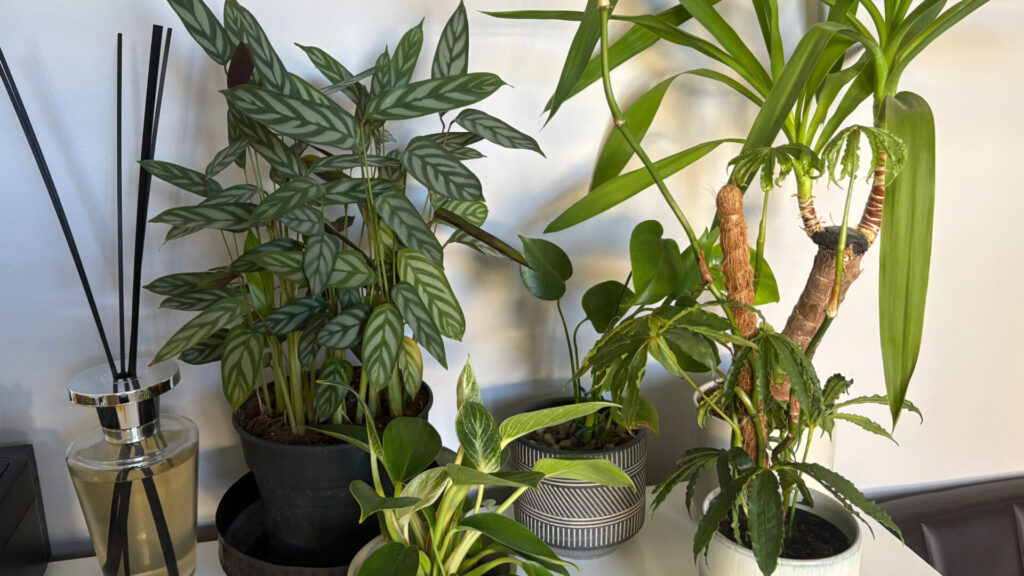
- Wandering Dude (Tradescantia zebrina/albiflora)
- Furry Feather Plant (Calathea rufibarba)
- Burrito’s Tail Succulent (Sedum burrito)
- Bird of Paradise (Strelitzia nicolai)
- Moon Cactus (Gymnocalycium mihanovichii)
- Philodendron ‘White Wave’ (Philodendron birkin)
- Never Never Plant (Ctenanthe setosa)
- Swiss Cheese Plant (Monstera deliciosa)
When it comes to styling a home, houseplants are one of the most effective ways to brighten up the space and make it more visually appealing. However, you can’t simply leave your new purchase alone once it leaves the store; otherwise, you may find your plant doesn’t thrive or worse.
This doesn’t mean you need to become an expert overnight, nor do you need to spend an unreasonable amount of time or money caring for your plants. Instead, opt for varieties that not only transform your living space into something you love but also require very little maintenance. Here are our top choices for the most stunning (and low effort) indoor plants for beginners and how to keep them alive.
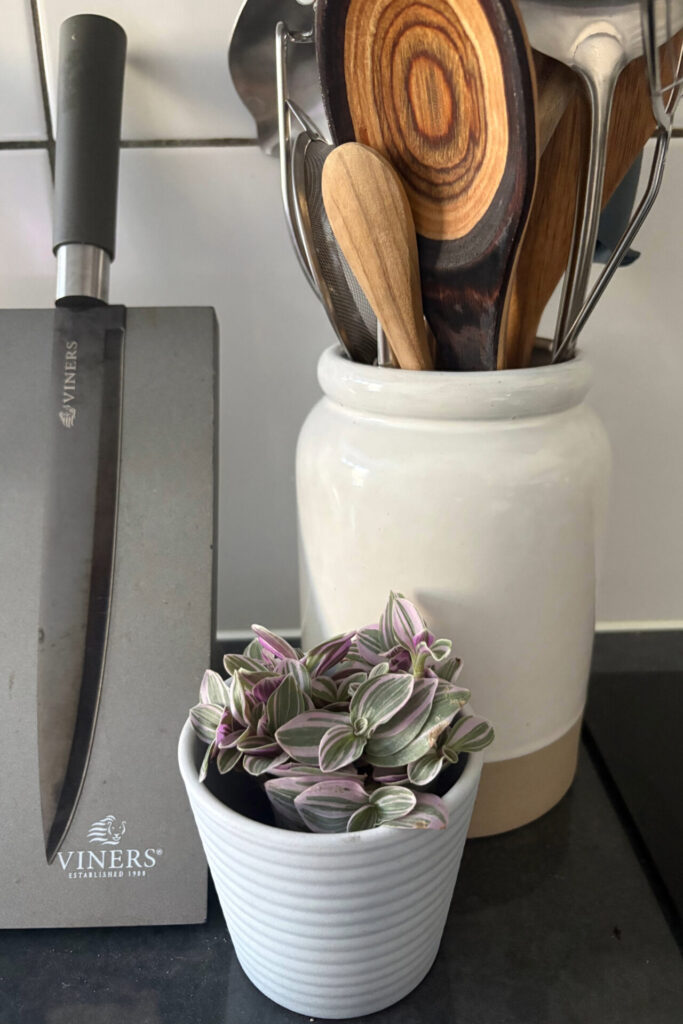
Wandering Dude (Tradescantia zebrina/albiflora)
One of the most visually appealing house plants you’ll come across, the Tradescantia is a unique plant with purple and pale green striped swirling leaves. It’s highly resilient and has the potential to trail, which is why you’ll often find it in hanging baskets. The ‘Wandering Dude’ is also great for air quality, with research showing it has the potential to filter out harmful chemicals from paints and synthetic carpets.
Care is easy, but you do need to pay attention to its appearance. Bright, indirect light is key, otherwise, you may see the stripes and colour fade. Whereas too much light can cause the delicate leaves to become scorched. Sufficient watering is required, but make sure only the top few cm are damp, watering the soil so moisture doesn’t become trapped in the leaves. A little misting occasionally can work wonders, too, and it thrives in areas like the kitchen and bathroom.
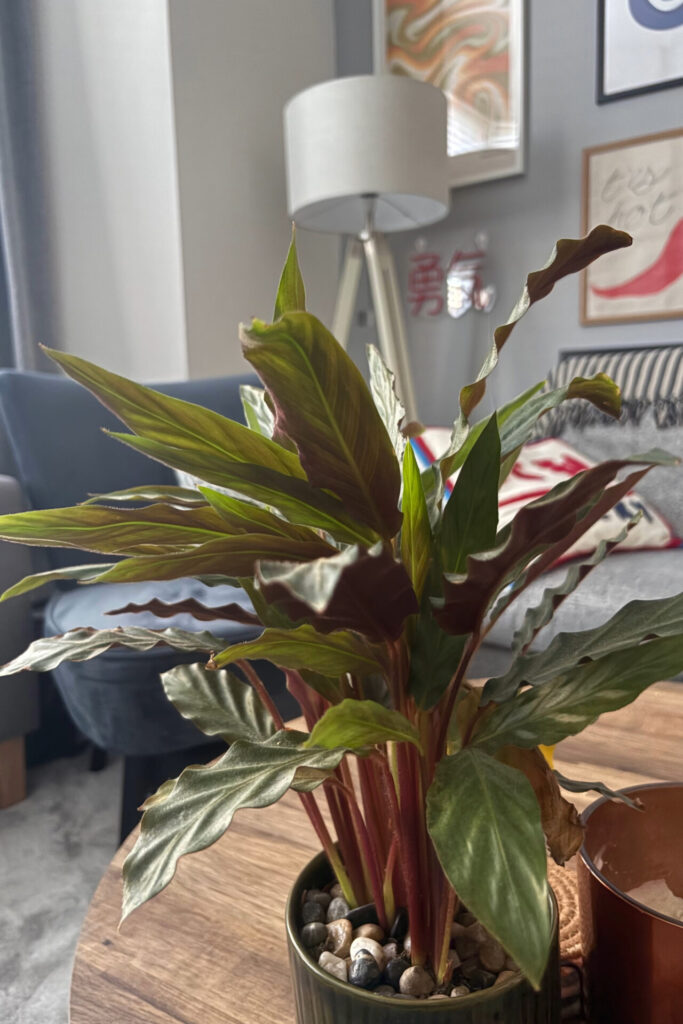
Furry Feather Plant (Calathea rufibarba)
The Calathea rufibarba is a member of the Prayer Plant family, popular for its textured leaves with fur covering the undersides. While the top wavy edges are a deep green, below you’ll see a deep purple, offering a contrast you don’t typically get with many other houseplants. Better still, it’s non-toxic to cats and dogs, so it’s safe to keep around your furry friends.
Like others in its family, the Furry Feather Plant goes through a process called nyctinasty, in which the leaves fold upwards during the night and open during the day to protect against light changes and water regulation.
Despite the plant sounding complex to keep, it’s more forgiving than other Calatheas, requiring adequate bright indirect light and consistent moisture (but not waterlogged). Try to use filtered water as opposed to tap water, as certain chemicals like chlorine can turn the leaves brown.
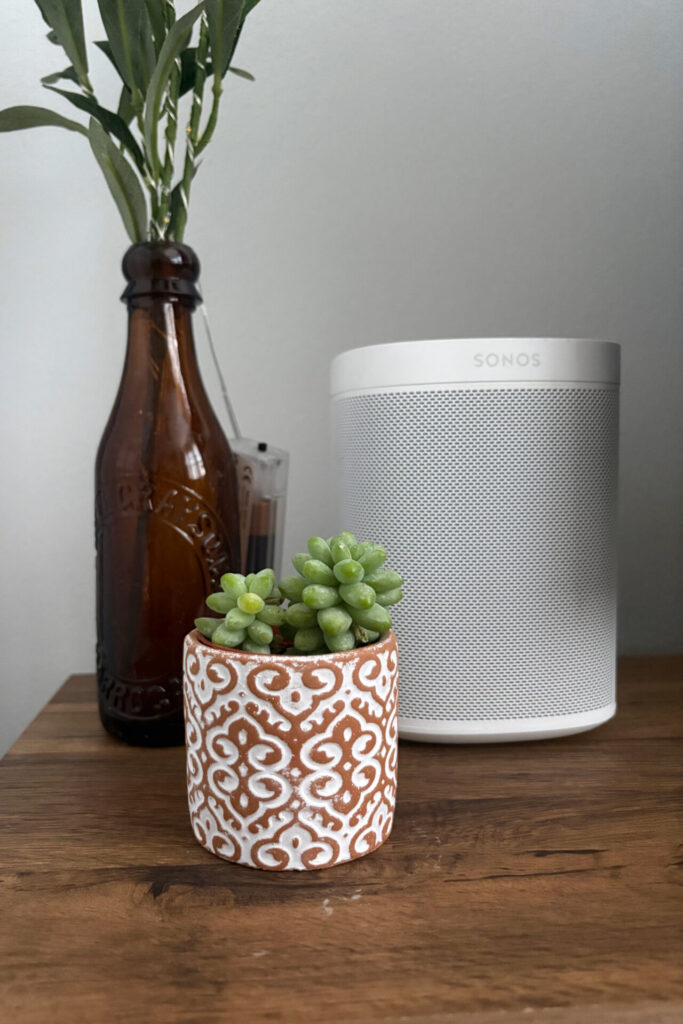
Burrito’s Tail Succulent (Sedum burrito)
A succulent that gets its name from its resemblance to a donkey’s braided hair, the Sedum burrito features tightly packed light green leaves, which are plump and fleshy. While you can get one as small as a few cm tall, they can grow up to two feet long and grow down the sides of the pot.
Avoid touching the plant where possible, since you can remove the plant’s protective wax – you may notice it as a fine white powder, which isn’t dust that many new owners confuse it with. And like most succulents, less is more when it comes to care. Only water when the soil is dry, since water is stored in the leaves, keep it relatively warm, and provide strong indirect sunlight throughout the day.
It’s easy to kill these types of plants in the winter, since most assume watering weekly is normal. Generally, once a month is enough, or you’ll find the plant begins to rot or turn sickly yellow (which can often be confused for dehydration).
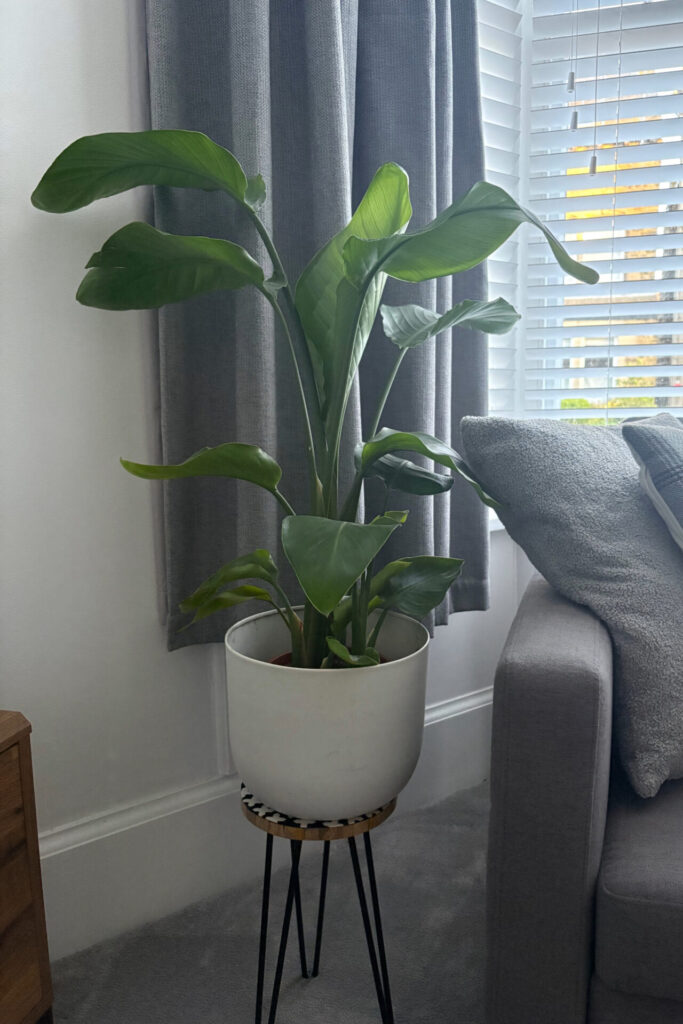
Bird of Paradise (Strelitzia nicolai)
If you’re after a statement plant to add a touch of luxury to your living room or bedroom, you can’t do much better than the Bird of Paradise. With its large, paddle-shaped leaves and elegant stems, it transforms a basic room into a tropical and modern paradise.
Prepare yourself for its growth, as the Strelitzia nicolai can grow up to 3 metres tall, which may require repotting if you find it starts to tilt or droop. Because of this, it requires slightly more attention than the smaller houseplants on this list; however, it is still hardy. Simply keep it in bright sunlight away from draughts and water it well. The top 5cm of the soil shouldn’t feel dry, and misting is recommended, reducing the amount of water during the colder months.
It’s worth noting that mature plants experience tears in the leaves, which serve a purpose in the wild – they prevent the wind from snapping the stems, and light can reach the lower leaves. Some even develop flowers, but this takes many years and a lot of light to achieve. The Bird of Paradise is toxic to animals so make sure to keep out of reach if you do purchase one.
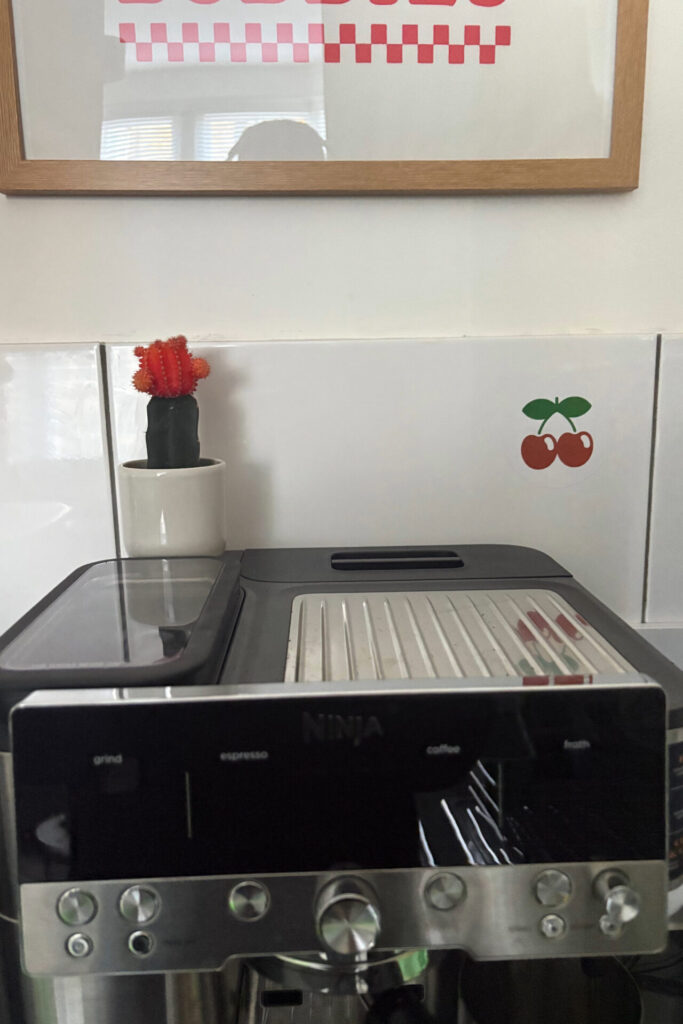
Moon Cactus (Gymnocalycium mihanovichii)
Who doesn’t love a cactus? These tough houseplants have been a staple in UK homes for generations and can live up to 50 years – if you care for them properly, that is. The Moon Cactus is different and rather special, made up of two different cacti joined together to produce a colourful spiky ball on the top.
The bottom cactus is usually green, with the top section ranging from a neon red to vibrant yellow, and you may even notice small flowers growing from spring going into the summer.
The Scion (the colourful part) uses the host cactus on the bottom as its food supply, so you have two different plants here to keep it satisfied. Don’t let this put you off, though, as all that’s needed is the occasional water and indirect light. Simply keep it on a west-facing windowsill and only water when the soil is completely dry. Go a step further and use a cactus or succulent mix that contains perlite for the best drainage.
Due to the small size of the Moon Cactus, you can keep many of them around the house or even in a small apartment without worrying about taking up too much space. They do have a much shorter lifespan than standard cacti due to the different growing speeds of their parts, so don’t feel bad if you see yours start to deteriorate after two years.
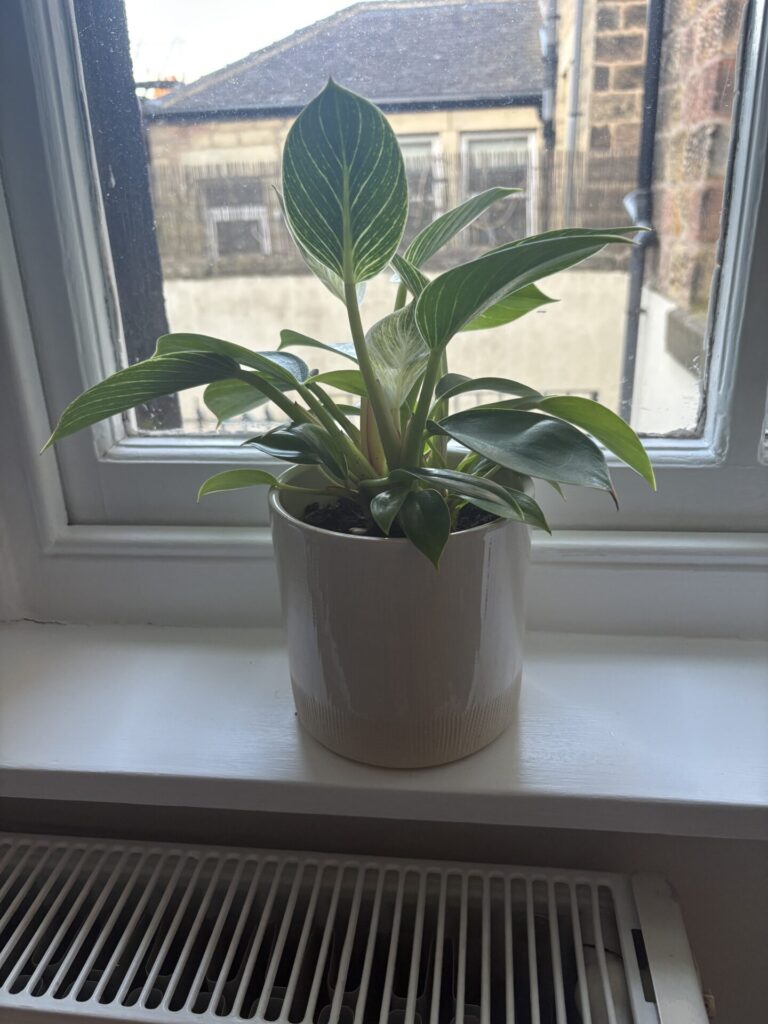
Philodendron ‘White Wave’ (Philodendron birkin)
The Philodendron Birkin, also commonly referred to as the White Wave, is a designer plant you’ll see often in high-end interior design magazines and contemporary spaces. It’s actually a rare mutation of the Rojo Congo and includes pinstriped, heart-shaped leaves in a dark green hue.
As your plant matures, it’ll grow new leaves in a creamy white shade, all of which are incomparable to the rest – it’s almost like watching a real-life painting on your coffee table or windowsill. The Birkin, unlike other Philodendrons, is self-heading, and so it grows upright and doesn’t overflow in your plant pot. As part of this family of plants, you’ll also benefit from its ability to remove the chemicals found in household cleaners from the air.
In order to see it flourish, you need to get the right balance of both bright and indirect light. Too much can bleach the white stripes, and too little can revert it back to its dark green colour – keeping an eye on it every so often can give you an indication of where to position it better. The soil should be slightly moist but never soggy; otherwise, the leaves will become mushy. If you do accidentally overwater your White Wave, increase airflow or light to dry out the soil – it thrives with a higher temperature anyway (just keep the humidity high also).
If you find the leaves struggle to unfurl and become stuck, lightly mist several times a day or place it in the bathroom when you have a hot shower rather than risk damaging it with your fingers.
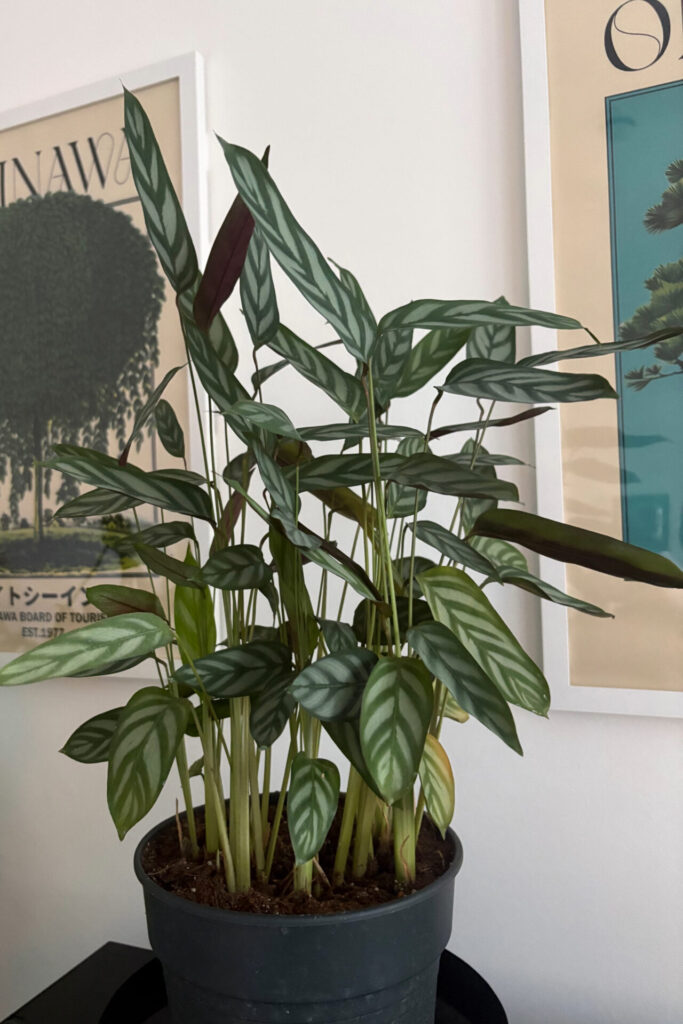
Never Never Plant (Ctenanthe setosa)
A hardier and more fan-like plant compared to the Calathea or Maranta, the Never Never Plant features long, narrow leaves with a leathery feel. The top is a contrast between a light and dark green in vivid patterns and a burgundy underside.
Like its relatives, the plant moves its leaves in order to stay dry at nighttime and catch light during the day. And you’ll know if you’re not meeting its needs should the leaves curl up to the point that they almost disappear or suddenly brown.
The key is to keep them consistently moist but never waterlogged, and also use distilled water rather than that from the tap (or you may notice the edges starting to turn brown and crispy). High humidity is also essential, so keep it by a warm spot in the kitchen or a bathroom and mist daily.
The Never Never Plant is often a popular choice for those who suffer from dry skin, since it is great at filtering the air and releases a lot of moisture back into the air. Like the Furry Feather Plant, it’s a non-toxic houseplant, allowing you to make your home more exotic without the worry of harming your pets.
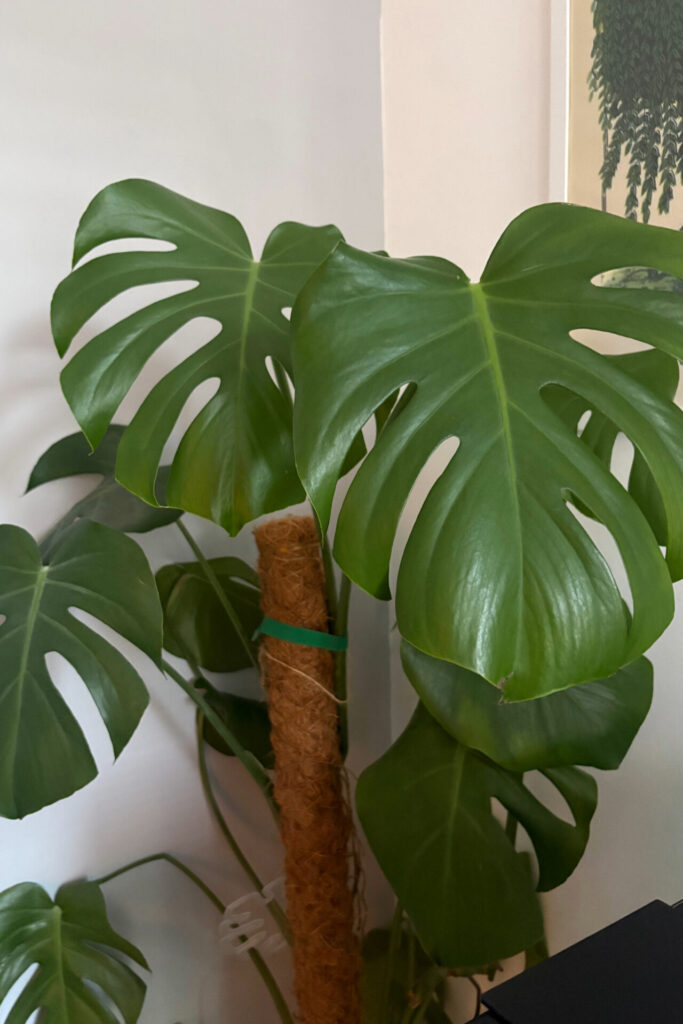
Swiss Cheese Plant (Monstera deliciosa)
No list would be complete without the most iconic houseplant, the Monstera deliciosa. You don’t need to be an expert to identify its giant, heart-shaped leaves with natural slits that completely transform a bland room into a jungle. Just be sure to keep in an area away from any animals, as the plant is toxic.
They often start with solid leaves when they’re much smaller and younger and gradually develop new leaves and their ‘cheese’ holes over time. You may also notice long, ginger-like roots coming from the stems that enable them to climb. Expect your Swiss Cheese Plant to grow fast, too, up to three metres high – which may require repotting and vertical support in order to stay healthy and tidy, such as a moss pole or trellis.
Most owners go wrong by keeping their plant in a dark corner or hallway, when indirect light should be maximised as much as possible. Aim to water when the top 5 cm of soil is dry and avoid adding more if the leaves begin to turn yellow. While a bit of misting can help new leaves unfurl more easily, Monstera are more tolerant of dry home air. But you may need to dust down the leaves from time to time.