

Escaping the cold and unpredictable UK weather in favour of sunny beaches and ancient wonders of the world has never been more common. However, we often forget that cultural norms and the law can be wildly different, especially when all we can think about is a cocktail in hand by the pool.
Failure to educate yourself about how to act and follow a country’s rules can lead to offence, hefty fines, or worse. Fortunately, it’s not as difficult as it sounds, and we’ve done all the heavy work for you. Read our guide to proper etiquette and local laws for some of the most popular tourist destinations for Brits – you’ll thank us later.
Japan
One of the most respectful and beautiful countries in the world, it’s no surprise Japan also has some of the strictest laws and social norms. However, these rules aren’t something that should worry tourists as they are all ways of living that we can follow easily and learn from. If you’re ever in doubt, just focus on what the locals do.
Laws to be Aware of in Japan
Particularly in major cities like Kyoto and Tokyo, where tourism is at its highest, there are strict laws around public drinking. Alcohol is banned in places like Shibuya Station from 6 pm to 5 am. If you need to smoke, use one of the designated areas, or you may face a fine.
How to Respect the Locals in Japan
Japanese locals are usually more forgiving of tourists, but still expect a level of respect for their sacred places. You should always bow slightly before passing through a torii gate or temple entrance and keep to the sides so the deities can pass through. When entering buildings, remove your headwear and shoes, stepping over the wooden beam at the bottom of the door.
It’s hard not to take photos of beautiful areas like the Chureito Pagoda and the Arashiyama Bamboo Grove, and usually this is fine, but most shrines and temples strictly prohibit photography near sacred objects. You’ll often see a sign to indicate this. Additionally, you shouldn’t point at anyone or anything. Instead, gesture respectfully with your palm.
Japan also takes hygiene seriously. You shouldn’t visit public places with open wounds or with an illness, since it can be impure. If you do have a cold, generally, light sniffling is more polite than blowing your nose.
How to Eat in Japan
Eating in public or on public transport is another big no-no. Simply head to a nearby store or eatery and enjoy your meal there. You might need some time to master chopsticks. Just remember that you should never pass food to another person in your party. You also shouldn’t place chopsticks vertically in a rice bowl, since these are often signs of a funeral.
How to Tip in Japan
Japanese culture highly frowns upon tipping. The Japanese consider their service to be high quality and reasonably priced. Trying to do so can be insulting to a business, and servers will likely refuse this. The only times a tip may be acceptable are if you find special requests or dedicated room service in a ryokan to be exceptional, or hire a professional guide for the day.

Spain
Spain is among the most popular places for Brits to visit for their summer holidays, with beach weather almost guaranteed throughout the summer. While Spain is still a fairly liberal country, it has started to crack down on certain rules in order to protect the safety of locals and ensure proper behaviour.
Laws to be Aware of in Spain
When it comes to the laws in Spain, regulations came into place in designated areas in the Balearic Islands, including Mallorca, Menorca, and Ibiza (as well as Barcelona). Since January 2020, all-inclusive hotels are capped at six alcoholic drinks, three at lunch and three at dinner. Additionally, street drinking is strictly prohibited in most major cities like Madrid and Valencia. Fines range from €500 to €3000, and shops can’t sell alcohol between 9:30 pm and 8:00 am in the Balearics.
In many areas, including Malaga and Palma de Mallorca, it is illegal to walk in public in swimwear, including bikinis and trunks. Fines range from €300 to €750. If you’re someone who reserves sunbeds at the beach, this is also banned in many towns like Tenerife and Calpe. If your kids wish to take home rocks or sand from the beach, opt for a magnet or keychain instead. This is strictly penalised in certain areas, especially in Gran Canaria.
How to Tip and Shop in Spain
While tipping isn’t mandatory here, it’s polite to round up any meals or offer a 5-10% cash tip rather than via card. Shops also typically close from 2 pm to 5 pm for a siesta, so plan your days around these to ensure you get what you need. When entering shops and bars, saying ¡hola! (oh-la) or buenos días (bwen-ohs dee-ass) is considered polite. If you visit markets and shops, avoid touching the items and instead ask the vendor to grab items for you.
United Arab Emirates
Known for its world-class hospitality and incredible man-made landscapes, the United Arab Emirates (UAE) has become a top spot for those seeking luxury. Many forget, though, particularly when visiting Dubai, that the country has different norms and regulations to the UK.
Laws to be Aware of in the UAE
It’s important to understand how to follow these the UAE’s standards to be respectful to locals. As an example, public displays of affection are strictly prohibited, you can only drink alcohol in licensed venues, and you mustn’t take any photos of government buildings or people without consent. All of these can lead to heavy fines or imprisonment.
Behaviour, whether at the beach or venues, has become much stricter. It’s vital you follow any safety instructions and do not enter restricted areas. Treat locals how you want to be treated and avoid rude gestures or offensive language.
How to Respect the Locals in the UAE
The UAE is an Islamic country. When visiting religious sites like Abu Dhabi’s Grand Mosque, men must wear long trousers and sleeved shirts. Women must fully cover from head to toe and wear a headscarf. Take off your shoes and place them on a designated rack before entering. Maintain complete silence and always walk behind those who are praying. During Ramadan, it is illegal to eat, drink, or smoke during the day.
How to Dress in the UAE
Dress modestly when in public areas, keeping your shoulders and knees covered. You should only wear swimwear at the beach or hotel pools. You may find these rules are slightly more relaxed in Dubai but much more conservative in the Emirates.
How to Tip in the UAE
With regards to tipping, it’s not something that is necessary, but is always highly appreciated. Some of the more luxe establishments will often cover a service charge, but 10-15% of your bill is standard. Tipping hotel workers and taxi services AED 5-10 is customary.
United States
The United States (US) is a huge country where social norms and rules differ, but many remain universal. Similar to the UK, Americans value friendliness and respect. Locals expect tourists to make polite small talk in public places and wait in line. They also appreciate direct communication, so avoid making excuses and be clear on what it is you want. Just keep clear of any political conversations that could lead to unfavourable situations.
How to Tip in the US
One of the biggest confusions tourists have when visiting the US is tipping. While it’s not necessarily an unwritten rule, you should expect to tip 18-22% of the pre-tax total. Note that prices are always before tax, which can be highly confusing at first. Servers consider skipping the tip rude, especially since they rely on tips for up to 95% of their income.
What Documentation is Needed to Enter the US
Generally, you’ll need documentation when entering the country. Brits with biometric passports can now enter for up to 90 days under the Visa Waiver Programme (VWP). You must apply for an ESTA more than 72 hours before you fly. Don’t skimp on health insurance either, since US healthcare is exclusively private.
Laws to be Aware of in the US
While jaywalking is still a thing in most states, such as in New York City, other areas like California and Nevada have changed the laws that mean you can’t get in trouble unless you cause immediate danger. Play it safe, though, by only crossing roads and streets via designated routes and waiting for the correct signal. The legal age to purchase alcohol is 21. You may be asked for photographic ID in various places, so take your passport with you in public.
Thailand
A popular place for spiritual retreats and gap year exploration, Thailand has become one of the most sought-after destinations. On offer, you have incredible mountains and ancient temples at a reasonable cost – and the food is insane, with staples like Pad Thai and Som Tum.
How to Respect Thai Culture
You’ll notice in Thailand that the locals are highly respectful towards the royal family, Lèse-Majesté, and this is because it’s against the law to be insulting or defamatory towards them. This includes posting any negative social media comments or even liking content that authorities might view as critical. Even stepping on a coin or note with the King’s face constitutes a major insult. If the national anthem plays between 8 am and 6 pm, stop what you’re doing and stand still. Additionally, stand up for the anthem in cinemas before the film begins.
The culture in Thailand views certain parts of the body with cultural significance. The head is sacred: never touch anyone’s head, and apologise immediately if you do so by accident. Feet are seen as unclean, so never point them at people, Buddha statues, or tables and chairs.
How to Greet people in Thailand
Visitors aren’t typically expected to greet Thai people the traditional Wai way, but it’s appreciated if you make an attempt, especially if another person initiates it. Simply place your palms together at chest level and bow slightly. A smile or nod is usually acceptable too. Since Thailand is mostly Buddhist and Wats are places of worship, you must cover your shoulders and knees and remove your shoes before entering temples.
How to Eat in Thailand
When dining in Thailand, you’ll rarely find a knife on the table. Instead, you should hold your spoon in your right hand and a fork in your left, pushing food into the spoon. Meals are often shared, and you’ll take small amounts from plates and add them to your rice dish rather than plating up buffet style.
Italy
The perfect combination of historical city break escapes and beautiful beach holidays, Italy is a winning destination for many Brits. The country has similar views and traditions that ensure trips don’t feel too dissimilar to home. However, there are a few unwritten social rules and local laws to understand to keep you out of bother.
How to Eat in Italy
Italy is a country that takes its food seriously, so there are a few things to bear in mind before ordering your usuals. Fancy a cappuccino in the afternoon to perk you up? Expect to see some heads turn. Italians believe that warm milk after meals can impede digestion, so keep your caffeine fix to an espresso (caffè) or macchiato after 11 am. Additionally, never use a spoon to eat pasta or cut it with a knife. And don’t even think about adding pineapple to pizzas or chicken to pasta.
Locals highly encourage using Parmigiano and Pecorino for most dishes like Tagliatelle al Ragù, Cacio e Pepe, and Carbonara. But you shouldn’t add cheese to anything that involves seafood. Trust the professionals and ask the servers for recommendations. You’ll usually find a small service charge of €1.50 to €4.00 for bread and cutlery, so tips aren’t necessary. However, a tip of €1 to €2 per person or rounding up to €5 to €10 is polite.
How to Dress in Italy
The dress code in Italy is a lot more relaxed than in other countries on this list, especially in major tourist spots or beach towns like the Amalfi Coast and Sicily. Although if you plan to visit historic sites in places like Venice or Rome, you should dress according to the Modestia code (shoulders and knees covered). Local laws forbid eating or drinking at places like the Spanish Steps, or entering historic fountains like the Trevi Fountain. Not only will you receive a fine, but you’ll also disrespect the locals.
How to Get Around in Italy
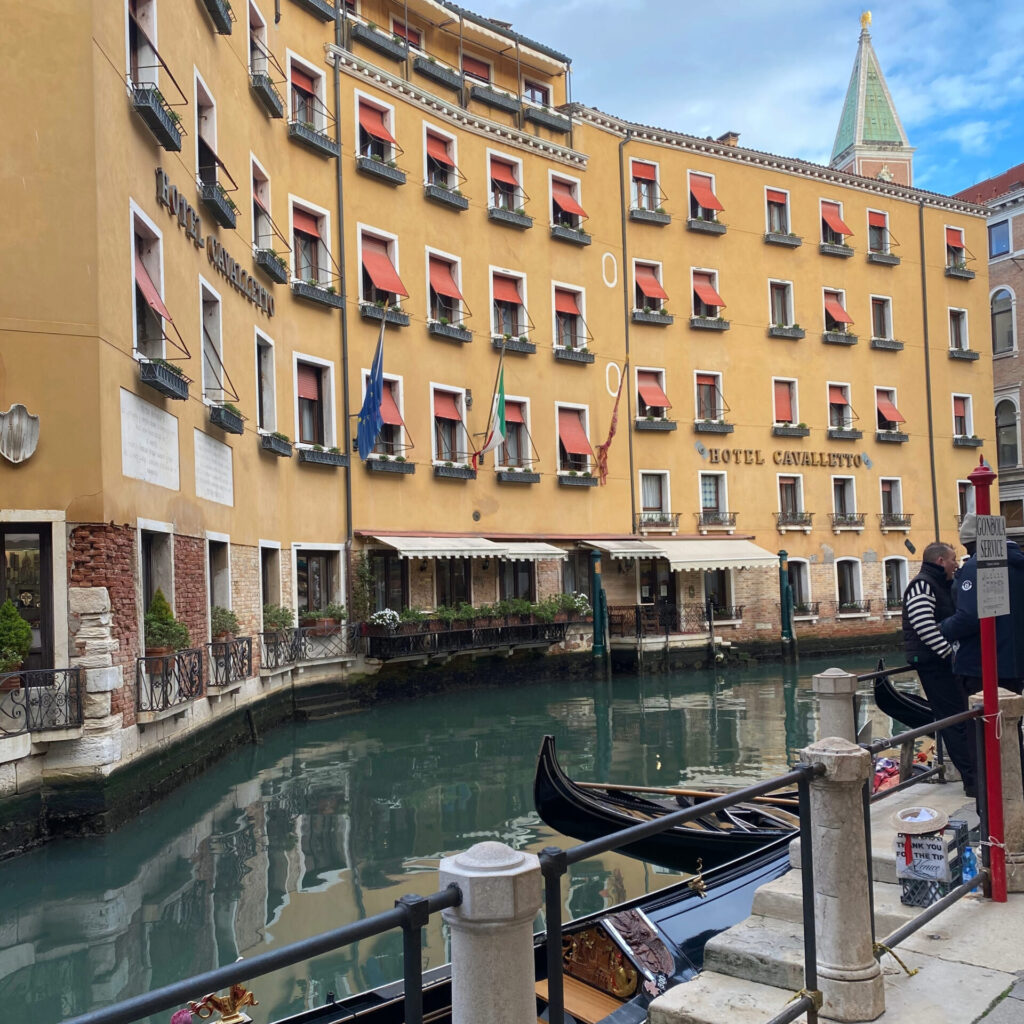
Unlike the UK, Italian buses and trains require you to validate physical tickets in machines before boarding or onboard. You can validate your physical ticket in a yellow or green machine on the platform or inside the vehicle. Tourists can’t pass this off as ignorance, and authorities will almost always issue an immediate €50+ fine. In Venice, if you only visit for the day, you must register and pay an Access Fee on peak days. Keep your QR code on your phone to avoid a fine.
In many markets or in public streets across tourist hotspots, you may come across vendors selling fake goods from high-end brands. Italy takes this seriously, given that many of these brands (like Gucci and Versace) originated here, so only purchase items firsthand from retailers, since those caught can face up to a €7000 fine.