
This article contains affiliate links. If you make a purchase through these links, we may earn a small commission at no extra cost to you.
- Travel Tips for Rome
- Where We Stayed in Rome
- Our Day-by-Day 7-Day Itinerary
- Where to Eat in Rome: Our Highlights
- Where to Drink in Rome: Our Favourites
- What to See and Do in Rome
- FAQs & Tips for First-Timers in Rome
- Should I Take a Water Bottle to Rome?
- Is Rome Safe?
- Should I Buy Tickets for the Attractions in Rome?
- Do I Need to Take My Passport Around with Me in Rome?
- Is There a Tourist Tax in Rome?
- How Do I Dress for Religious Landmarks in Rome?
- How Many Days Do I Need in Rome?
- Is Rome a Walkable City?
- How Do I Get from Fiumicino Airport to the City Centre?
- Is Tipping Expected in Rome?
- Do I Need to Take Cash to Rome?
Planning a trip to Rome can easily feel overwhelming. Between endless advice online, conflicting tourist traps, and summer crowds, figuring out how to structure your time here isn’t always straightforward.
We spent a week exploring the best neighbourhoods in the Eternal City, testing the local transport, and hunting down the top places to eat. If you’re looking for a day-by-day week-long itinerary or simply some recommendations or inspirations for your trip, we’ve got you covered. Here we detail how to find the best Roman carbonara, how to use the metro, and what attractions to add to your itinerary.
Travel Tips for Rome
Rome is one of the top European city break destinations in the world, meaning you’ll find a lot of information on the internet and travel guides. Take it from us, a lot of it was factually incorrect, and we’re glad we chose to do our own research and just explore once we got there. Our honest guide includes everything we did in the city and any tips to ensure your holiday goes smoothly.
Staying Connected in Rome
With the amount of walking you’ll be doing in Rome, and the fact that you’ll be using digital tickets or the Trenitalia app, having reliable mobile internet is essential. A holiday eSIM for Italy from Holafly makes getting around the city completely stress-free. Instead of paying expensive UK roaming fees or standing in long queues at Fiumicino or Ciampino Airport to buy a local physical SIM, you can set it up on your phone before you fly.
You can use our exclusive discount code NORTHERNLUXURY at checkout to get:
- 5% OFF any Holafly travel eSIM (valid for multiple purchases)
- 10% OFF Holafly monthly plans for your first 12 months
Top Tip: Set your travel eSIM as your active mobile data line prior to arriving in Italy and ensure data roaming is switched ON for that eSIM. To protect yourself from extra charges on your domestic account, switch data roaming OFF on your default SIM and disable the “Switch SIM” (Auto Data Switching) setting.
Best Time to Visit Rome
We visited Rome towards the end of August, when temperatures averaged 36°C during the day and 32°C at night. The highest we experienced was 40°C. Honestly, this heat was quite intense, especially with no beach or pool nearby. If you’re someone who struggles in the heat, we’d recommend avoiding the months of July and August. Plus, a fair few shops were closed for the Ferragosto holiday.
The best time to visit Rome is from April to May or September to October, when the temperature is still warm but more comfortable. If you’re able to book a hotel or apartment with a pool, even better. January and February typically have the cheapest costs and fewer crowds.
Getting Around in Rome
The best way to fully explore Rome is by walking. The majority of the main sights and attractions are close together, and you’re always coming across pieces of Roman history through every street and corner.
For longer distances, such as Trastevere and the Vatican City, you should utilise the ATAC public transport network. This was one of the most efficient and cheapest transport networks we’ve ever used.
We didn’t use the buses or trams during our trip. We were told that the buses are unreliable and can be delayed by heavy traffic. If we were to visit again, we’d use the tram system as it’s supposed to be useful for reaching Trastevere (via Tram 8). We were located within walking distance of the Borghese Gardens, but Tram 3 goes there if you stay further away.
How to Use the Metro in Rome
The metro was our favourite method of getting around Rome. The two main lines (Line A – Orange and Line B – Blue) can be accessed at Roma Termini Station. Simply go down the escalators or stairs to reach the bottom of the station.
You can buy your tickets from the machines nearby, or there is an office if you struggle to use the interface. Or, instead, tap your card or smartphone on the contactless turnstiles, but make sure to use the same method on the exit turnstiles. You must buy these beforehand and validate them by inserting the ticket into the slot at the turnstiles before the platform. Fines can cost upwards of 50 euros. Tickets can cost as little as 1-2 euros for a single trip.
Line A stops close to the Vatican and the Spanish Steps, while Line B will take you to the outside of the Colosseum.
How to Get the Train in Rome
Termini station is huge, with over 29 platforms going to a variety of locations inside and outside Rome. There’s the Leonardo Express from Fiumicino Airport and plenty of high-speed trains to places like Naples (Napoli Centrale via Trenitalia) and Florence (Firenze Santa Maria Novella).
High-speed trains from Frecciarossa and Italo with a specific train number and seat don’t usually require validation. Your paper ticket or QR code is often enough. For regional trains without a specific seat or assigned time, you must validate your ticket. These will usually have a time period at the bottom indicating when you need to use your ticket by, such as 1.5 hours or 4 hours.
Validate these before getting on your train using the green and white (or yellow) stamping machines by the platform walls. The stamp must cover the reverse of the ticket along the instructions at the top. We never had our tickets checked, but should you fail to do so and be caught, you could be fined more than 50 euros on the spot.
For digital tickets online via Trenitalia, open the app or email check-in links and click ‘Check-in’ before your departure. The conductor can then scan this.
Top tip: If your train departs from platforms 25-29, give yourself an extra 15 minutes or so to get there. These platforms are located at the top right of the station, and the walk is much longer than expected. So much so, we missed our train to Santa Marinella. Luckily, we hadn’t validated the ticket yet and could hop on the next one.
How to Take a Taxi in Rome
Rome is a highly walkable city with most major landmarks all concentrated in the centre. However, there may be times during the summer when the heat is so intense you’d rather save the steps. You must only get in taxis from signposted stops or via online booking services such as Uber. Getting in unmarked cars or stopping taxis in the middle of the street is against the law. The taxis are reasonable in price for such a major city, with a 15-minute trip costing around 12 euros.
Where We Stayed in Rome
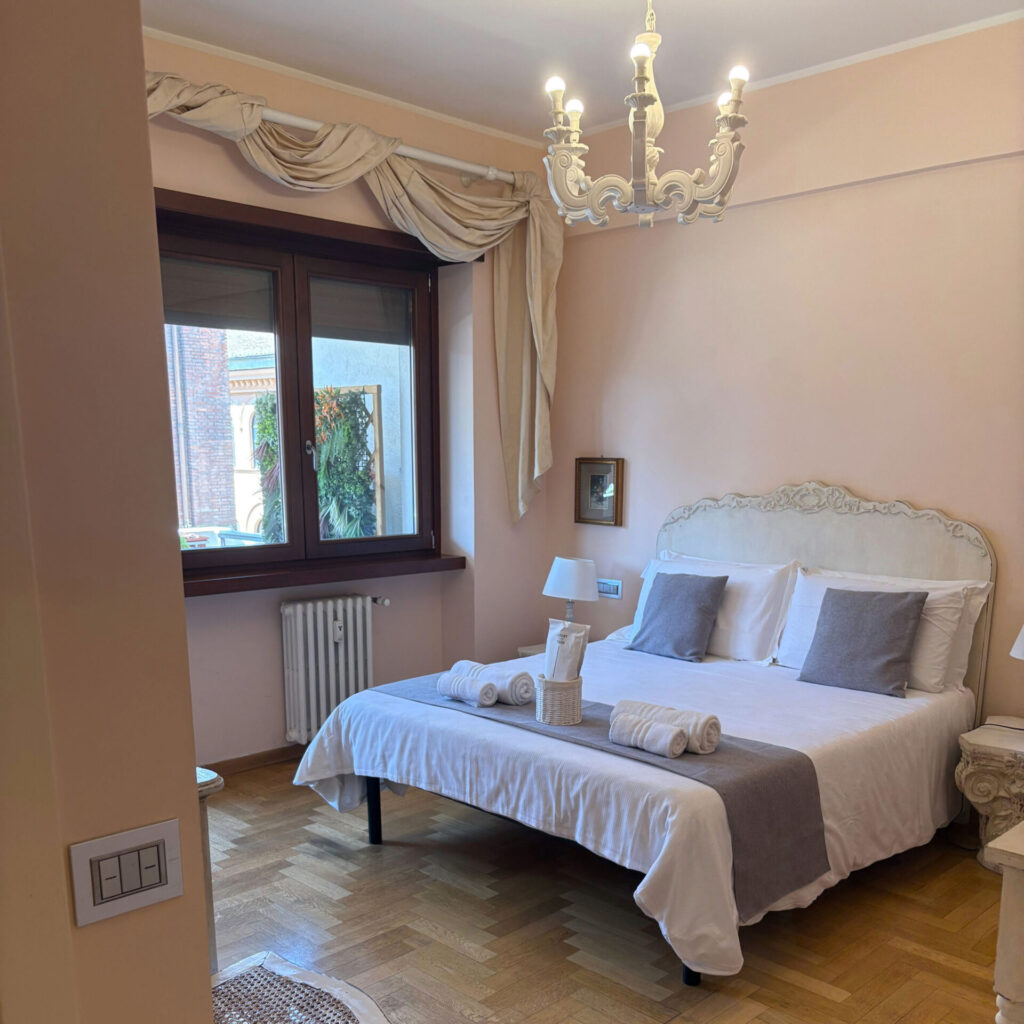
During our week in Rome, we stayed at La Dolce Vita of Via Veneto, an apartment tucked away on a quiet street by Via Puglia. The private apartment was a welcome retreat from the bustle of the city centre and captured the mid-century glamour of Federico Fellini’s film La Dolce Vita.
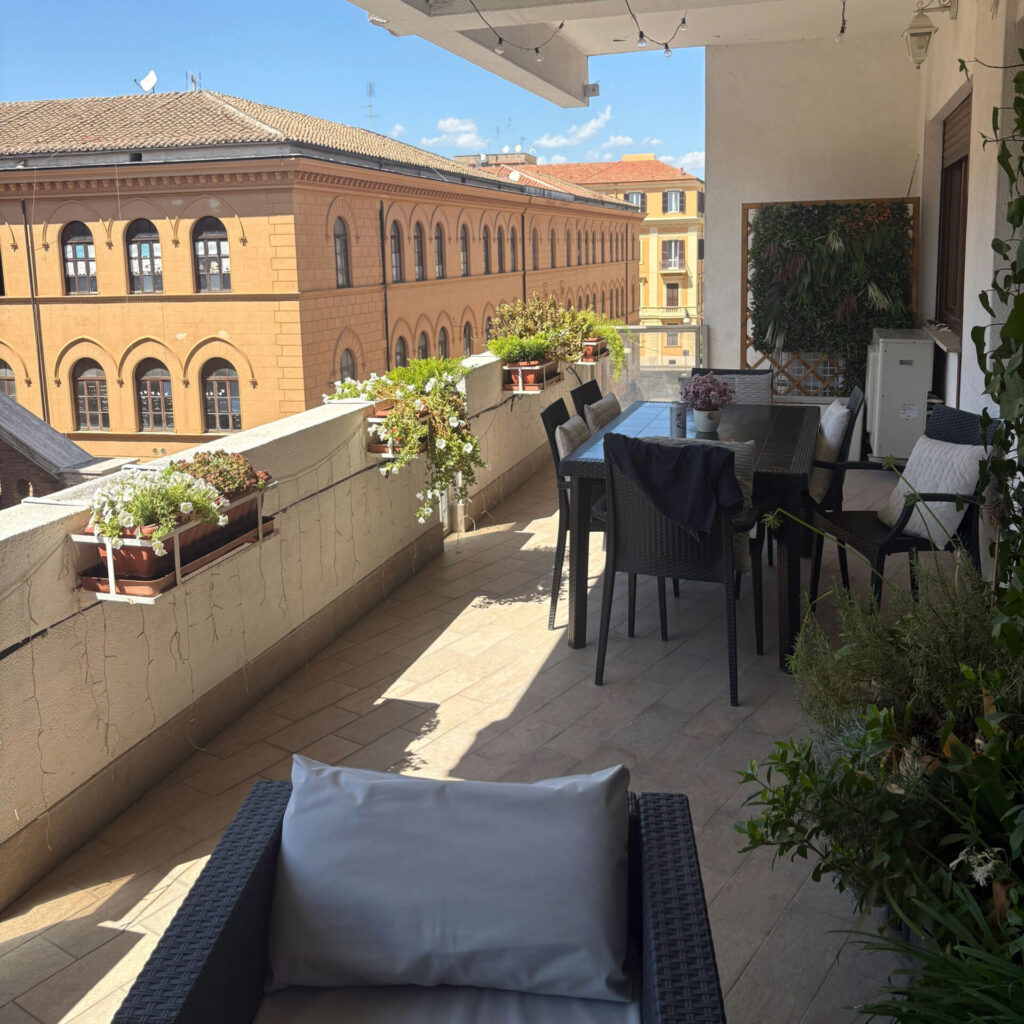
It featured three massive bedrooms, two bathrooms, a dining area, and a private sun terrace. The outside area was perfect for morning espresso and evening aperitifs. The walk into the city centre was manageable at only 15 minutes, and we were just a short walk to Villa Borghese, the Spanish Steps, and Piazza Barberini.
Nearby were plenty of traditional trattorias like Al Forno della Soffita and Ristorante Al Piave, as well as a Pam Local supermarket. You can find these small supermarkets all around the city, and we wish we had them back home in the UK. From local wines to freshly baked bread and pre-prepared Italian meals, they are ideal if you want to stock up on breakfast and lunch staples. A few of our favourites we would recommend include:
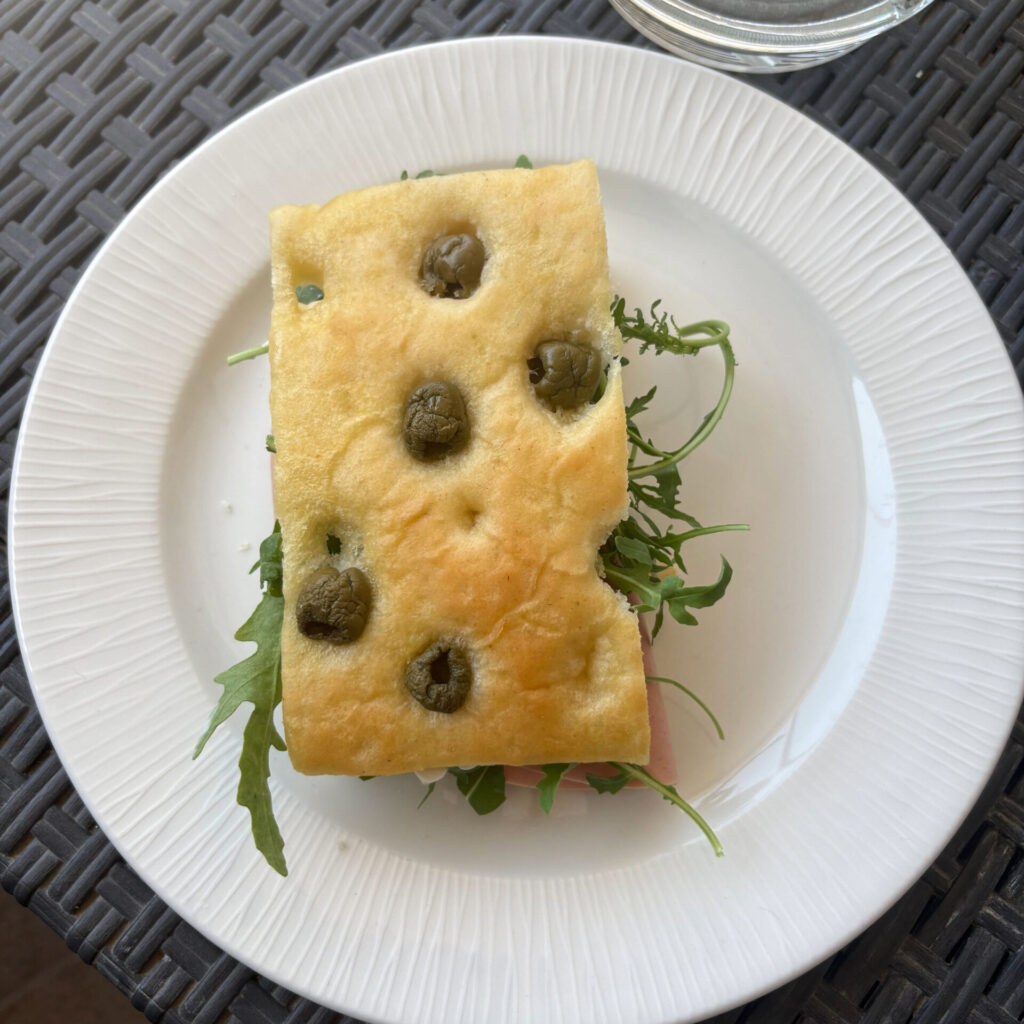
- Green Olive Focaccia – Perfect for making sandwiches with some mortadella, mayonnaise, and rocket.
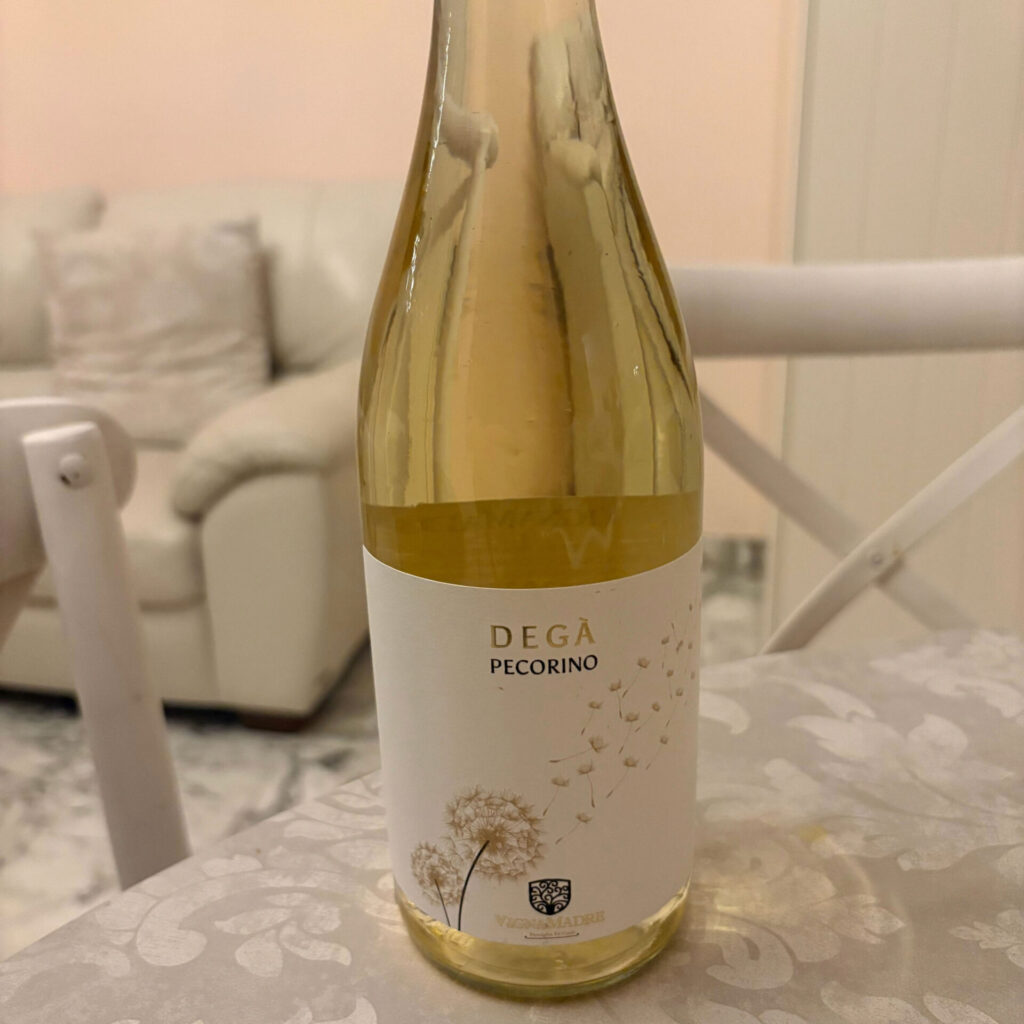
- Dega Pecorino White Wine – Our favourite wine during our stay, which we were served on our first night at Al Forno della Soffita
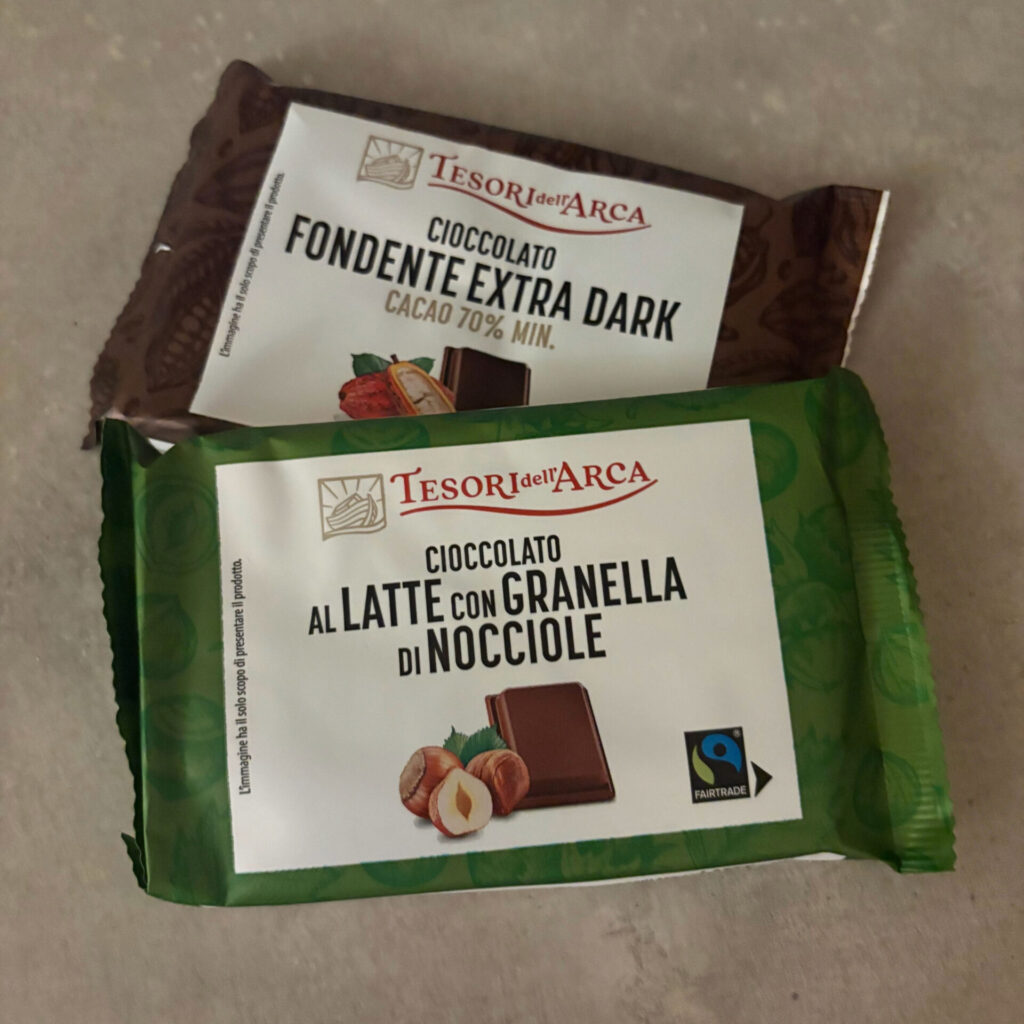
- Tesori dell’Arca (Dark and Hazelnut) – The best chocolate bars we had in Rome.
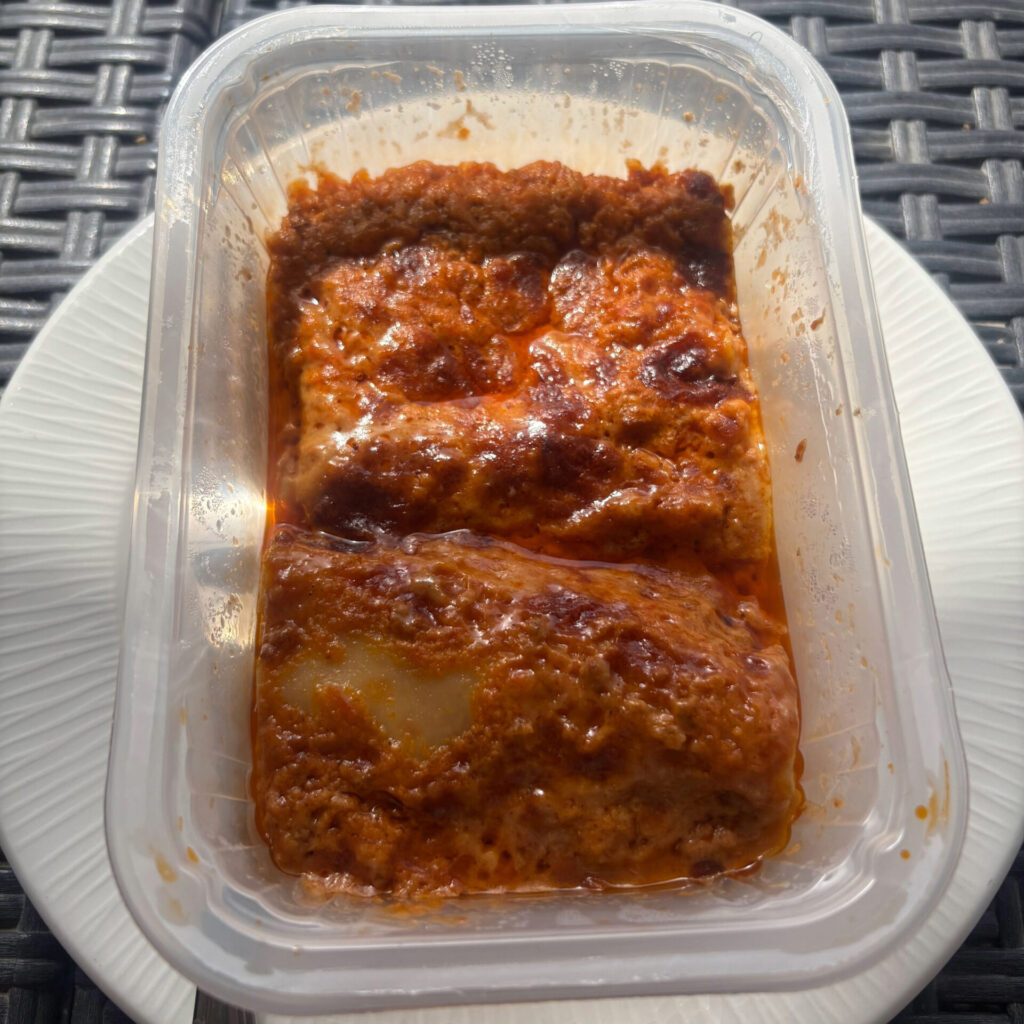
- Lasagna – Restaurant-quality lasagna, perfect for a cheap and quick lunch in Rome.
Our Day-by-Day 7-Day Itinerary
- Day 1: Arrival in the city, unpacking, supermarket shop at Pam Local, and evening meal at Al Forno della Soffitta
- Day 2: Tour around the Pantheon, lunch at Rotonda Restaurant Trattoria, rooftop cocktails at Genovia, dinner at Pizza Ciro, dessert at Mr. 100 Tiramisù
- Day 3: Colosseum, lunch at Fuorinorma, Trevi Fountain, drinks at Via Genova and The Flann O’Brien, Spanish Steps, dinner at La Pentolaccia
- Day 4: Breakfast at da Etta in Trastevere, Wine Tour at da Etta, Vanda, and La Veneria Trapizzino, Street Food at La Veneria Trapizzino, sandwich at All’antico Vinaio, drinks at Q’4RT Hotel, takeaway pizza from All Forna della Soffitta
- Day 5: Day trip to Santa Marinella, relax on the beach, lunch at Borghetto, Italian pastry from Gran Cafe Giuliana, dinner at Negresco
- Day 6: Tiramisu at Papalino, Tour of the Vatican City, evening meal at La Bottega Ristorante Punturi
- Day 7: Villa Borghese, Bio Parco di Roma, shopping in Roma Termini, evening meal at Tonorello, final walk past the Pantheon and Trevi Fountain
Where to Eat in Rome: Our Highlights
After having only ever sampled food from tourist hotspots in Venice, we were excited to get a true taste of Italian cuisine. Rome certainly didn’t disappoint. The city caters to those wanting simple yet delicious dishes as well as a variety of modern viral trends. Trastevere is probably the best area for foodies, and the prices were surprisingly reasonable, even in the centre.
We’d recommend avoiding any of the eateries around the main attractions unless you’re looking for a cocktail. Some of these had some good deals on offer, and snacks are always a given.
It’s worth noting that almost every establishment will include a service charge on the bill, which differs depending on location. This isn’t a tip; if you’d like to leave one, this should be added to your final amount. We asked the waiters why this was the case, and they explained it’s due to tightening government taxes. Here are some of our favourite places from our trip.
Al Forno della Soffitta
Without a shadow of a doubt, the best pizza we had during our entire trip. We were lucky to book a table at Al Forno della Soffitta in Rome on the same day, and there were queues going out of the door after we arrived. It’s located away from tourist paths and is therefore a popular dining spot for local Romans.
You’ll find it on Via Piave, 62, near Piazza Fiume and the Porta Pia gate. The inside offers a convivial trattoria vibe of exposed wooden ceiling beams and brick arches. Our table gave us the best view of the kitchen area, which featured a wood-fired stone oven and chefs preparing the pizzas from scratch.
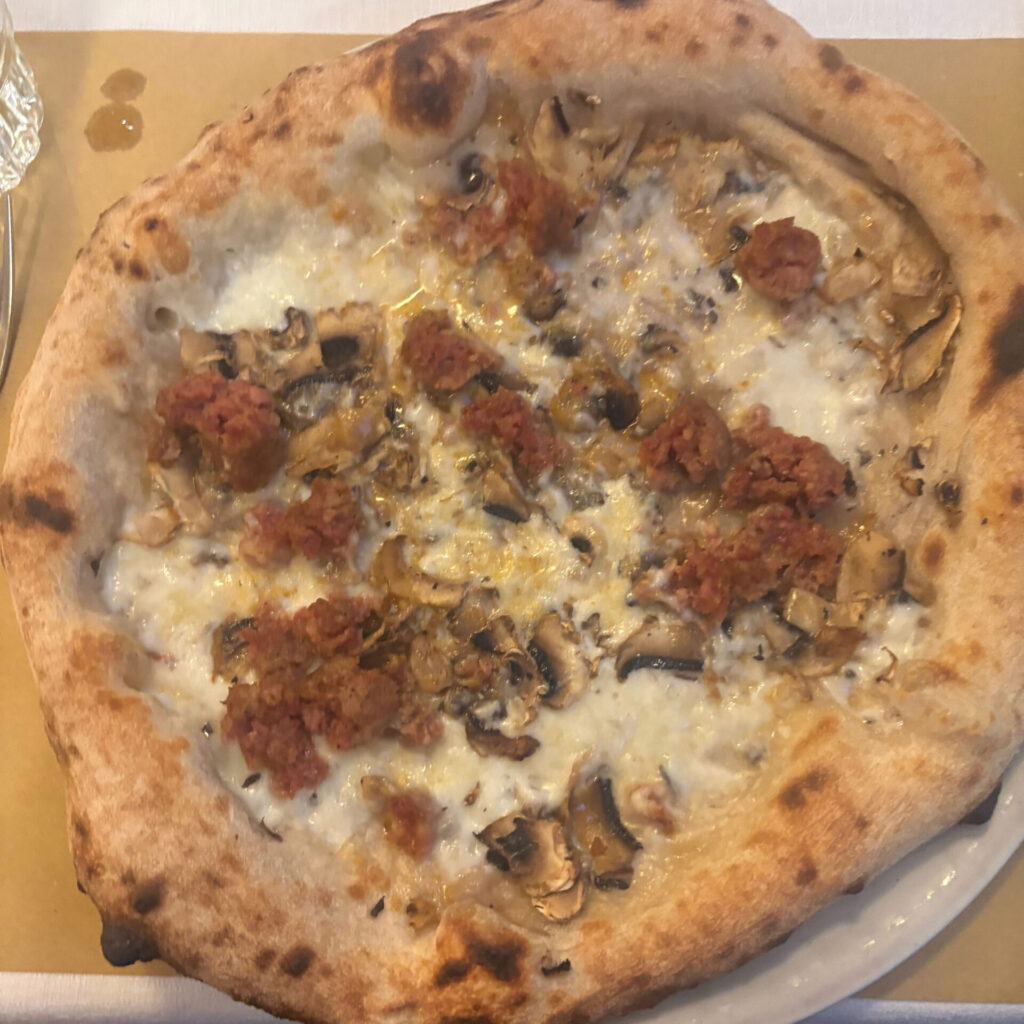
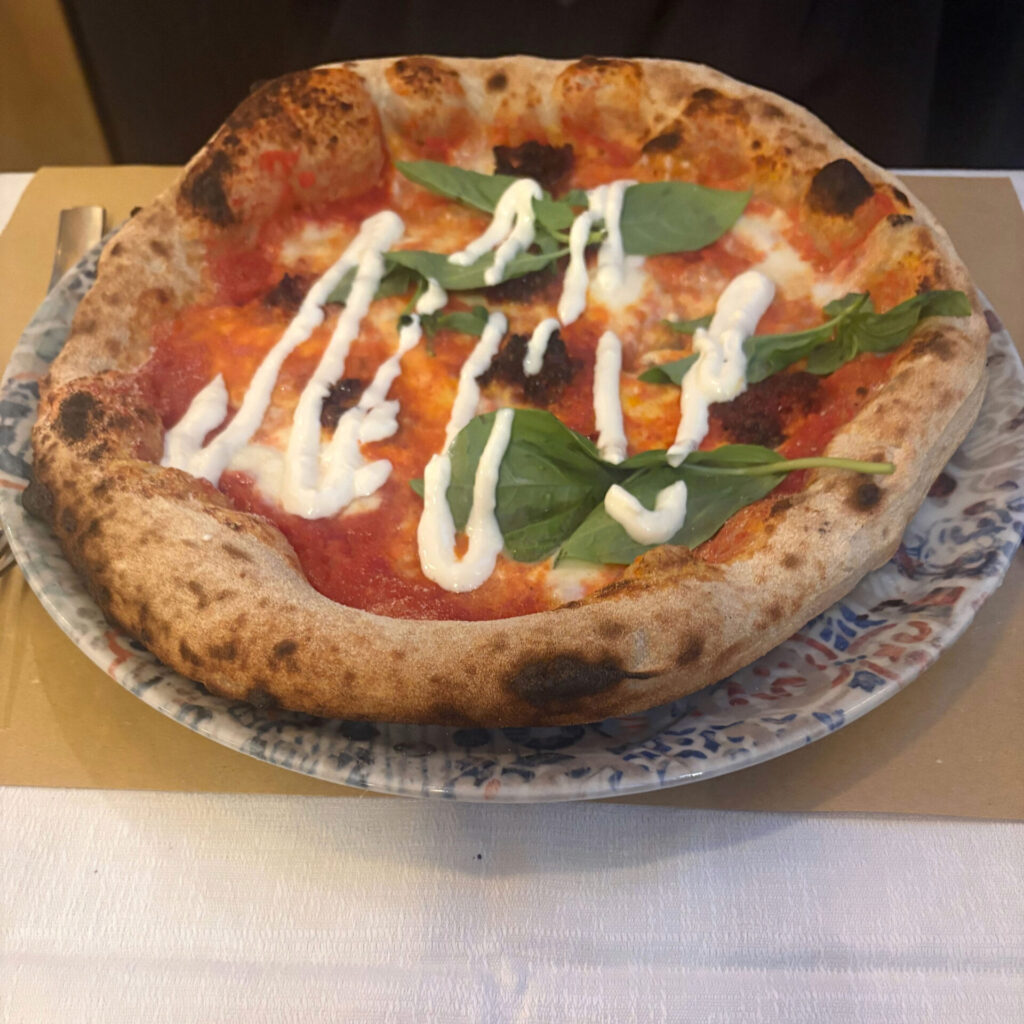
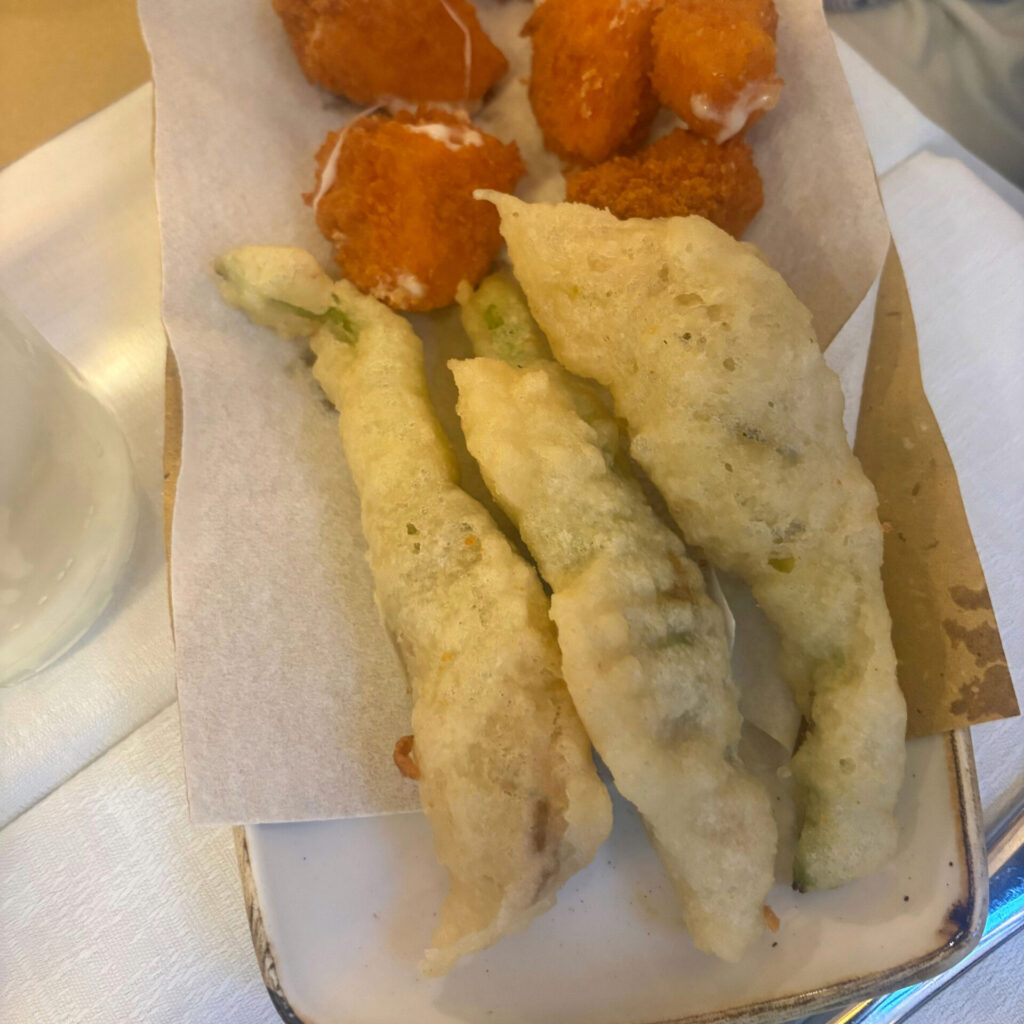
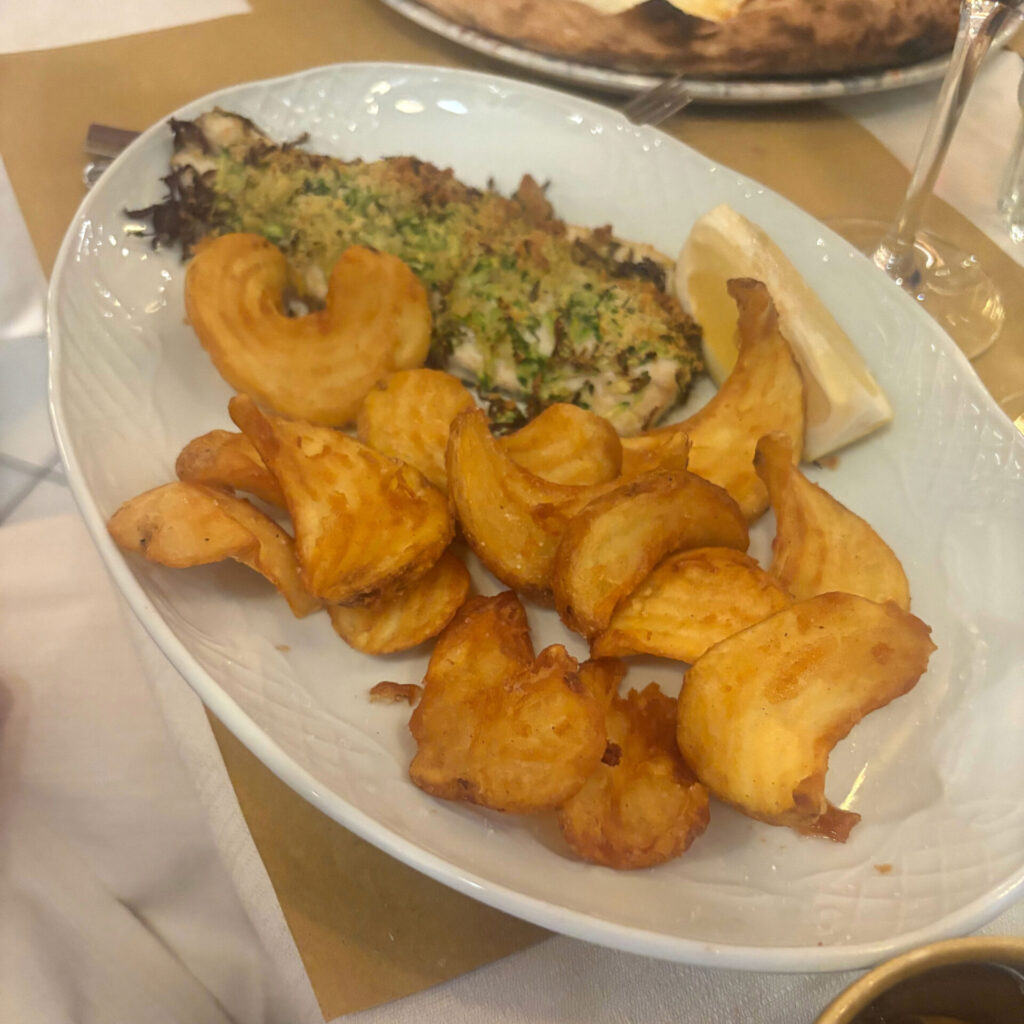
While the restaurant serves up a range of Roman classics, the authentic Neapolitan-style pizzas are a must. For starters, we went for the fried pumpkin flowers and the fried fish fillet. These were light and full of flavour and came very quickly after ordering. For the main course, we went for the Fuoco e fiamme and the Boscaiola. The latter was a white-base pizza with mushrooms and sausage, which was the best Neapolitan pizza in Rome. Our group also ordered the Sea bass fillet in Zucchini crust, which came with hand-cut potato wedges.
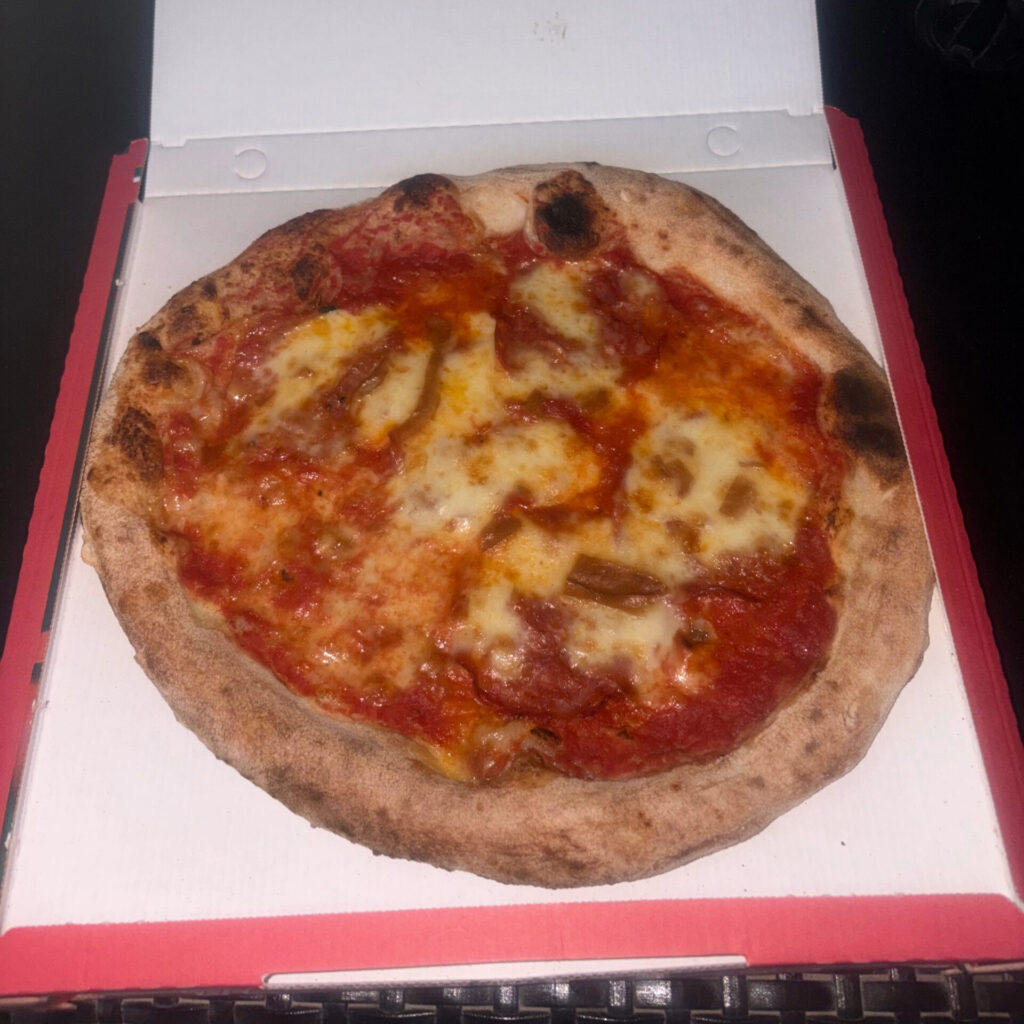
Al Forno della Soffitta Rome also does takeaway pizzas. This is a game changer for those long days of walking around the city when all you want to do is chill in your apartment. The pizzas were ready in as little as 15 minutes, and we enjoyed a pint of Peroni outside while we waited. For five pizzas, the cost was only around 50 euros, making it one of the most affordable authentic trattorias in Rome. The restaurant is also no coperto, meaning it doesn’t include a cover charge.
Rotonda Restaurant Trattoria
You’ll find this charming little place a short walk from the Trevi Fountain and the Pantheon in the heart of the city. Rotonda is located at Via dei Pastini, 17, in Centro Storico. We were able to grab a table outside along the cobblestone alleyway that connects Piazza di Monte Citorio to Piazza della Rotonda. From here, we could people-watch with an Aperol Spritz in hand.
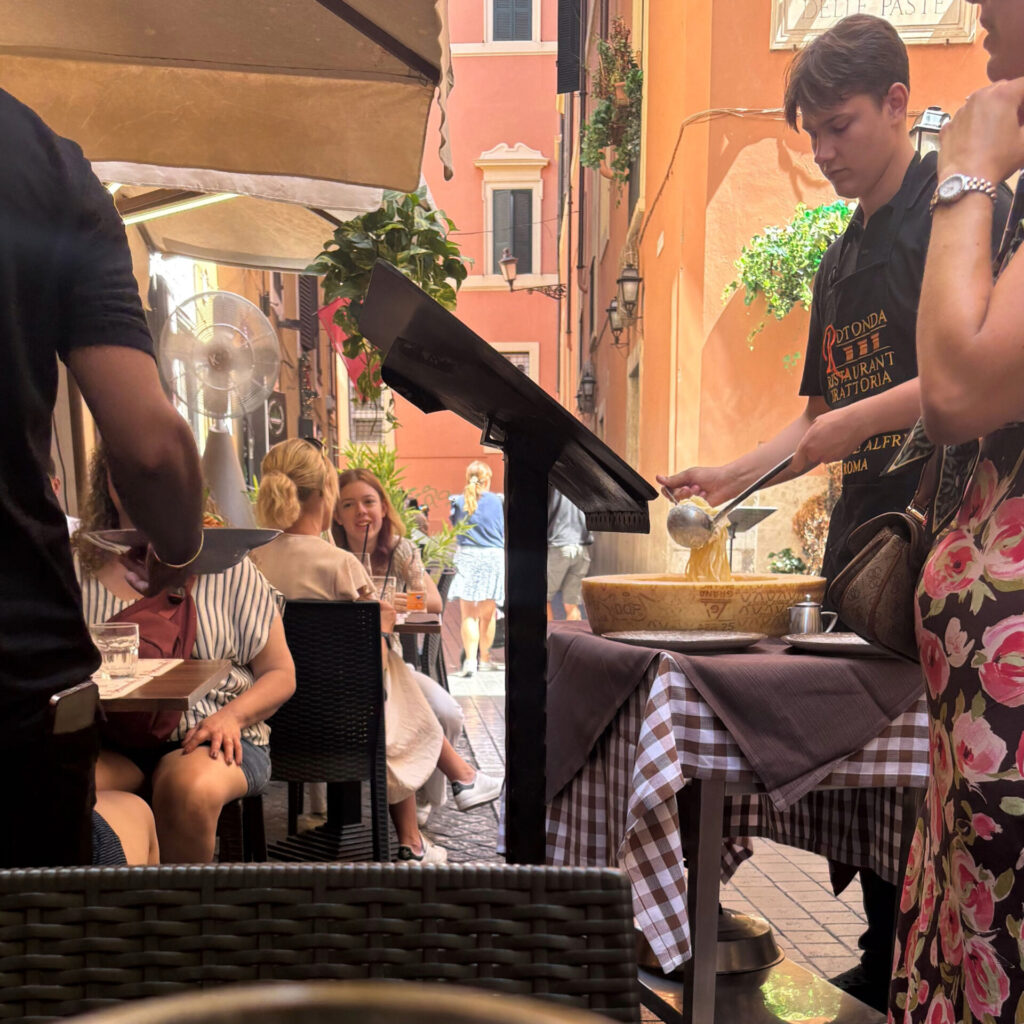
Since it’s close to one of Rome’s most iconic attractions, you might expect higher costs, but these were very reasonable here. And the quality of the food was also greater than expected. The kitchen specialises in classic Roman pasta standards and meat mains such as Pasta alla Carbonara and Abbacchio alla Scottadito (Roman-style grilled lamb chops). They are also famous for their wheel-tossed cheese pasta, which we had the chance to see directly.
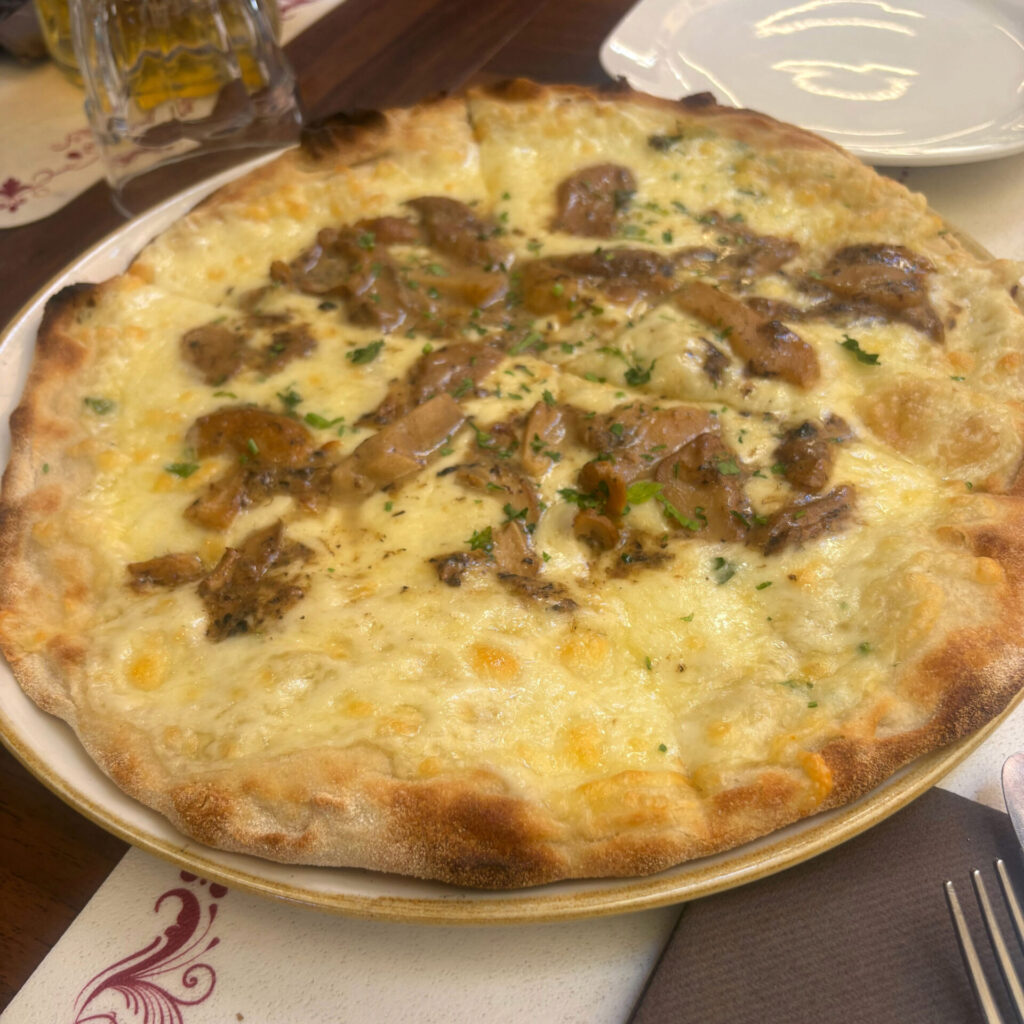
We were only looking for a convenient small bite to eat in between seeing the Trevi Fountain and Pantheon, so we opted for the Funghi Pizza. This was another white-base pizza smothered in mozzarella cheese, porcini mushrooms, and truffle oil. When ordering our beers, like most Brits, we went for the large option, not realising these were steins. At 14 euros, though, this was a bargain, although it was a lot of alcohol that early in the day and in the heat. If you’d rather have a normal-sized pint, go for the medium instead.
Fuorinorma
Fuorinorma Rome was recommended to us by our apartment host for having the best paninis in Monti Rome. It’s also one of the most affordable lunch spots near the Colosseum, with a freshly made sandwich and drink costing around 13 euros. You’d easily miss the venue were it not for the queue outside. Fuorinorma is located at Via dei Serpenti, 178, in the trendy Rione Monti neighbourhood, around an 8-minute walk from the Colosseum and the metro station of the same name.
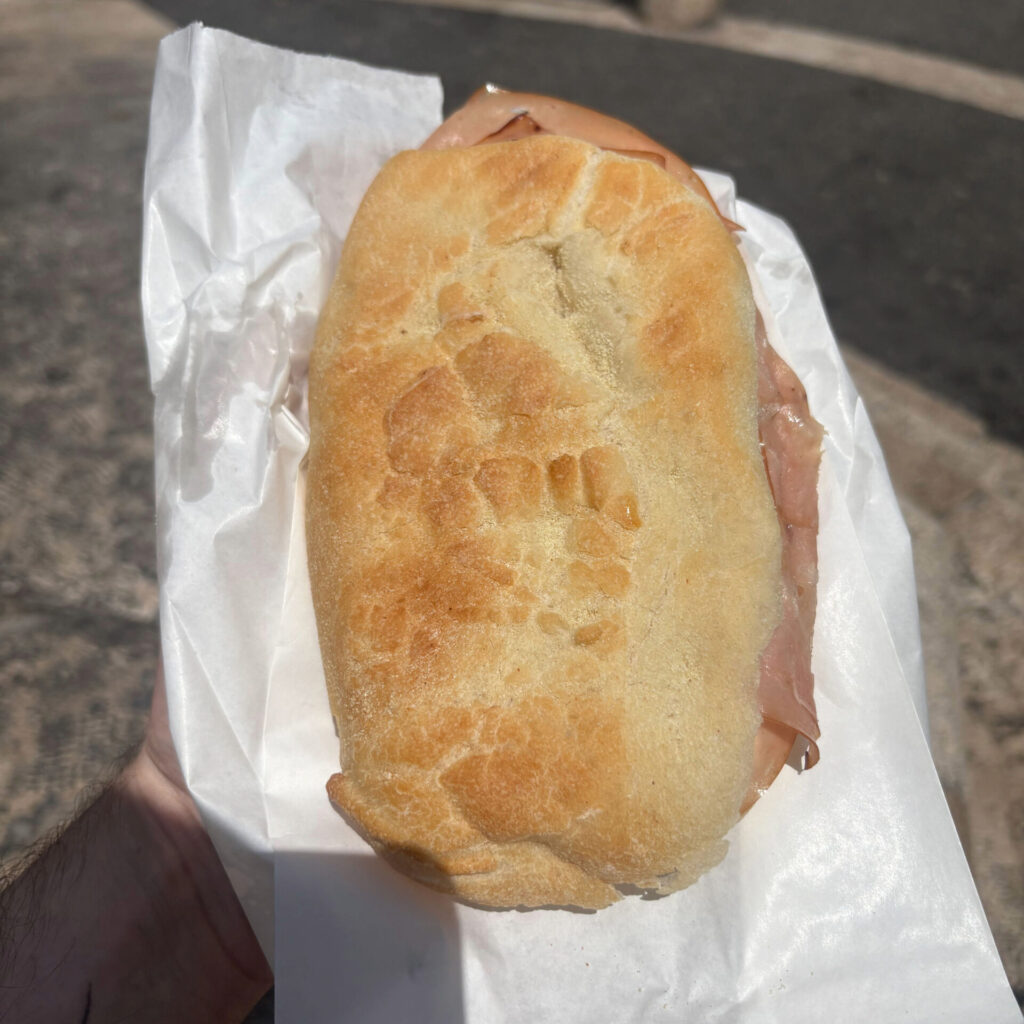
The venue has a hip and intimate vibe similar to artisanal sandwich shops in most major city centres. There is limited seating inside, so you might need to wait a fair while. Or, you can take the sandwiches to go, which we did. If you turn left as you walk outside, you’ll notice a fountain a 2-minute walk away, which is the best spot to enjoy your sandwiches in the shade. Plus, there’s a water fountain should you need to fill up your bottle, and Mary’s is directly opposite for a sweet treat afterwards.
We chose the Otto (number 8), which was a toasted sandwich of baked focaccia filled with Mortadella, Sun-Dried Tomatoes, Buffalo Mozzarella, and an Artichoke Dip. We washed this down with some Lemon San Pellegrino’s. It was the perfect spot for a budget-friendly, non-tourist trap lunch in Rome.
Bar Bistro da Etta
This quirky little bistro can be found in a quiet alleyway off Piazza Navona, near Campo de’ Fiori, on Via di Parione, 24. Da Etta Rome is a beautiful spot away from the crowded tourist areas and has a fine dining menu that is suitable for any meal of the day. Think a classic Roman cafe combined with a modern neighbourhood restaurant surrounded by greenery.
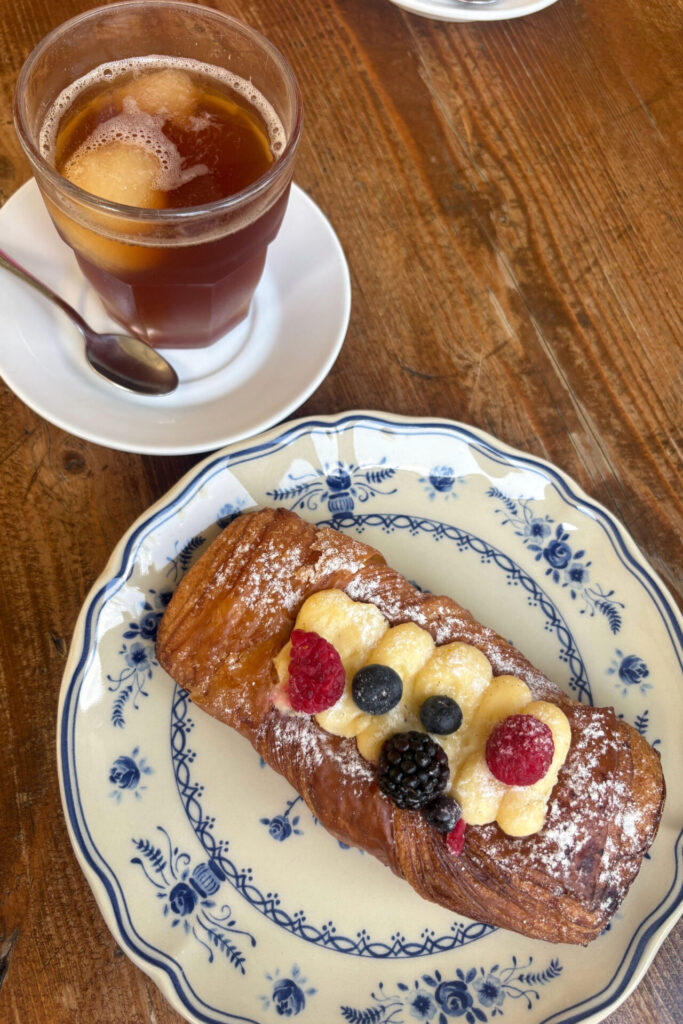
We had a few minutes to spare before our wine-tasting tour, so we enjoyed a small pastry with blackberry coulis, custard and fresh fruit, along with a freshly made lemon iced tea made with granita. The menu also features Roman pastas, such as Cacio e Pepe, and pinsa Romana pizzas.
All’Antico Vinaio
A popular spot in the heart of the city at Piazza della Maddalena, 3, All’Antico Vinaio offers arguably the best sandwiches in Rome. We noticed people all around with these massive Tuscan schiacciata paninis and needed to try them for ourselves. It’s the sort of place you’d miss if you’re not in the know.
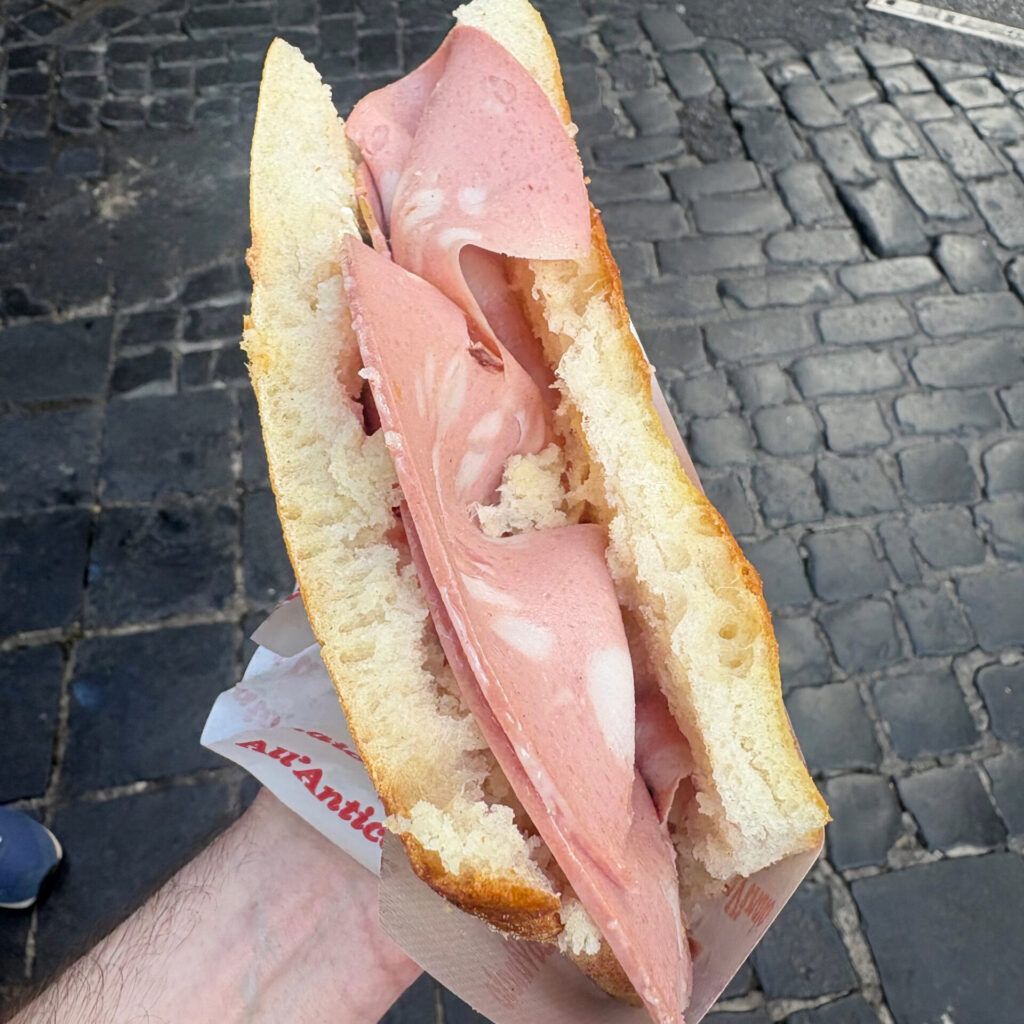
The shop originally hails from Florence and is found between the main walking route of the Pantheon and Piazza Navona. It’s a grab-and-go venue where you need to wait in the queue or order from the menu above the counter. We ordered the Paradiso, which consisted of toasted flatbread stuffed full of mortadella, stracciatella cheese, and pistachio cream. This was one of the best sandwiches we’ve ever had. Along with a view of the Pantheon, it’s a once-in-a-lifetime opportunity. Should we go again, we’d also try the Favolosa with sbriciolona salami, pecorino cream, artichoke cream, and spicy aubergine.
If you’re looking for famous street food in Rome, All’Antico Vinaio needs to go on your itinerary.
Borghetto
During our Rome day trip to Santa Marinella, we decided to stop for lunch at Borghetto Bistrò, located at Via Antonio Fratti, 2. You can reach here in five minutes from the Santa Marinella train station and the local beach, right off Piazza Trieste.
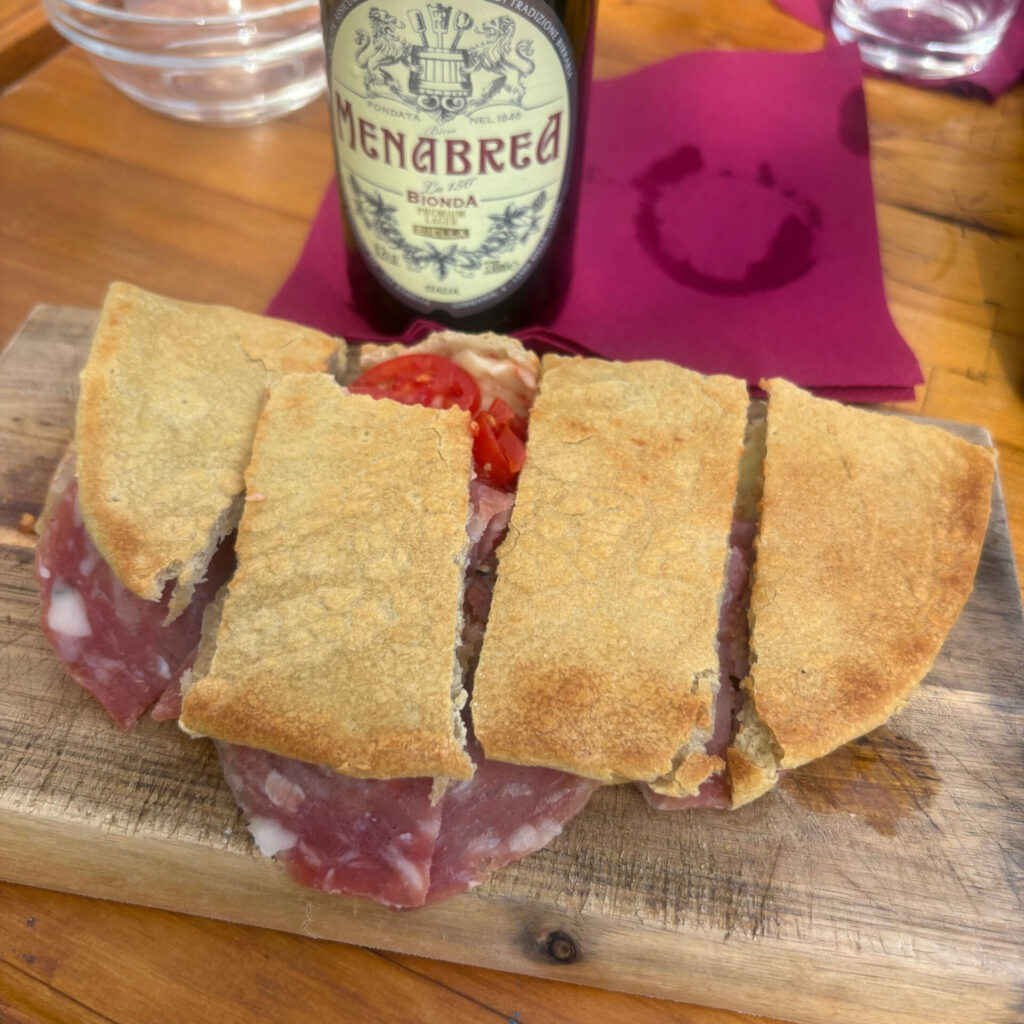
The little square the restaurant is in was the only place with local diners at the time, which was a huge sign to go here ourselves. They specialise in gourmet charcuterie boards (Taglieri) and homemade piadine, which are Italian flatbread sandwiches. We opted for the spicy salami with mozzarella and tomatoes as well as the turkey with pomodoro sauce. While the sandwiches are quite small, they are filling. The bread is surprisingly doughy despite being crispy, which we’ve never experienced before.
Paired with a cold beer, this was the best aperitivo in Santa Marinella, and a great stop after a stroll on the beach.
La Pentolaccia
You’ll find La Pentolaccia at Via Derna, 23, in the classic residential neighbourhood of Sallustiano / Castro Pretorio, not too far from Termini Station. It’s a popular spot among locals and is well away from the tourist spots; hence, we had to book in advance. It has a very traditional vibe, embodying an old-school Roman Trattoria.
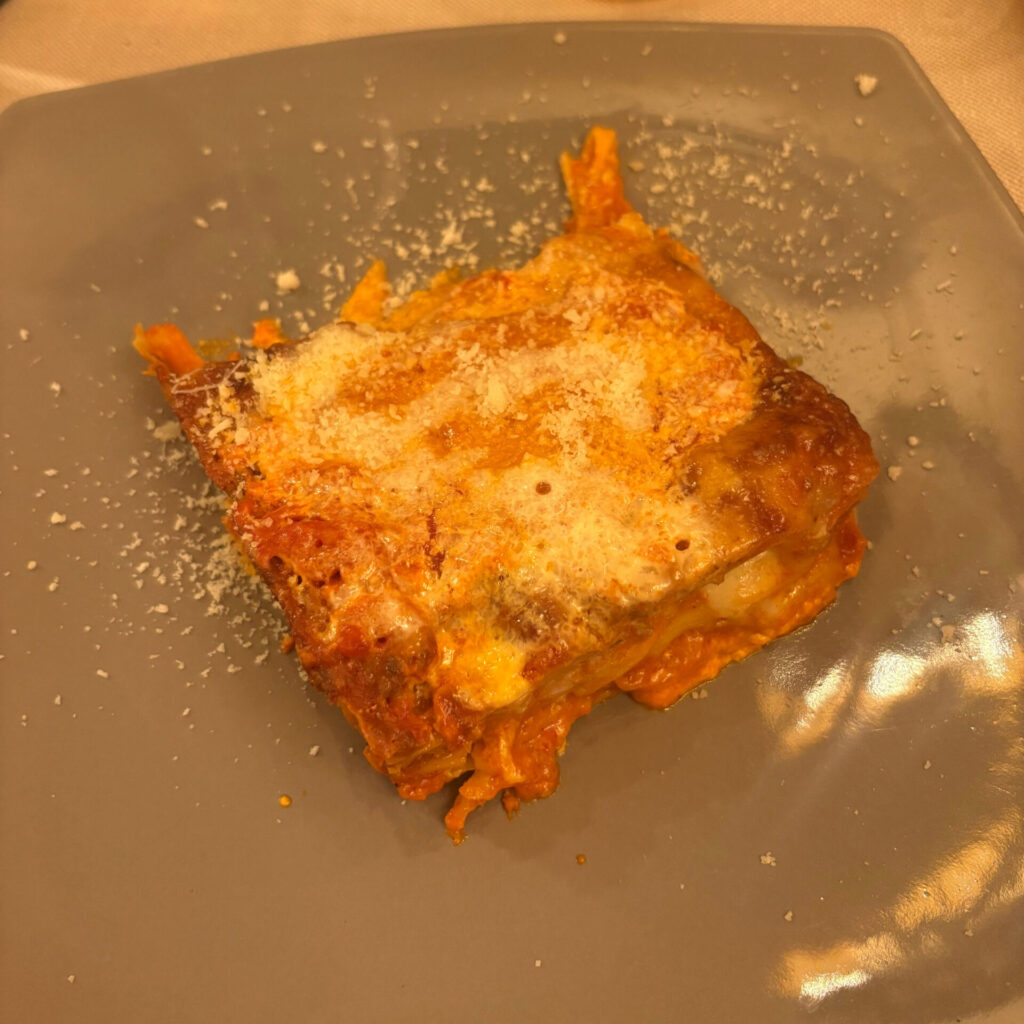
The menu specialises in authentic Roman classics and regional seafood dishes. However, we found it to be a little confusing and had to ask questions about the dishes. For example, many of the meats and fish didn’t come with sides or sauces, and you had to order these as extras. Also, a few of the dishes weren’t available due to the season that we weren’t aware of, such as the Tonarelli with artichokes and crispy bacon.
This shouldn’t put you off, though, as the food was great quality, with one of the best authentic lasagnas in Rome. It’s on the pricier side because of this, at around €18 to €20 per main, so do bear this in mind when booking your visit. We’d highly recommend visiting or calling in a day or so beforehand to secure your table.
Gran Caffè Giuliana
Giuliana Caffè is situated at Via Volturno, 60/62, just two blocks northwest of Roma Termini Station in the Castro Pretorio district. It sits directly across from the ancient Baths of Diocletian and steps away from Piazza della Repubblica, making it a convenient pitstop when going for trains or visiting the National Roman Museum.
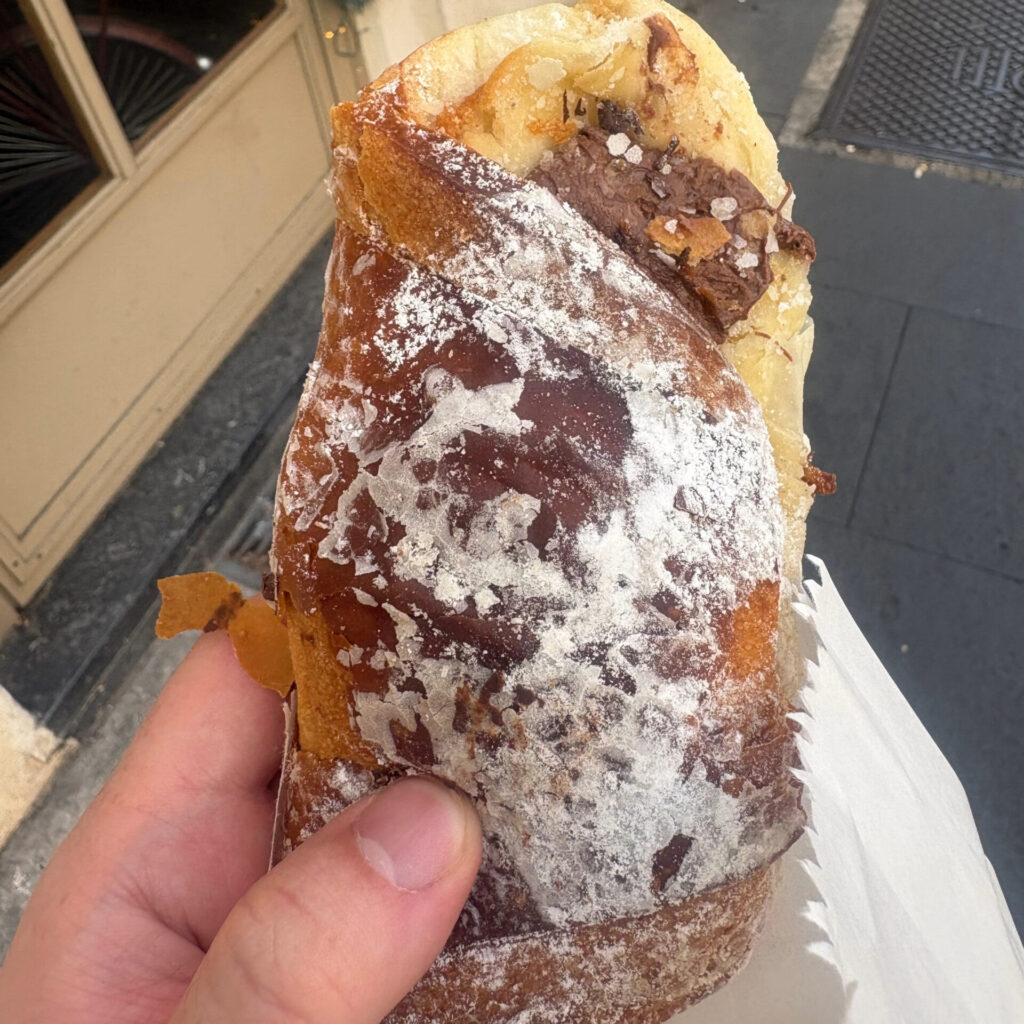
Giuliana Caffe Vino Cucina is a classic neighbourhood Italian café and bistro, full of homemade pastries and local wines. We decided to quickly stop by on our walk back from Termini Station to grab some desserts for the journey. The milk and white chocolate pastry was the winner here and came to around €4.
Negresco
Found at Via IV Novembre, 139, in the middle of Rome’s historic centre, Ristorante Negresco is a contemporary and upscale dining spot. You’ll find it near Piazza Venezia and the Trajan Forum, and it is the top choice for creative Roman pasta dishes with cocktail pairings.
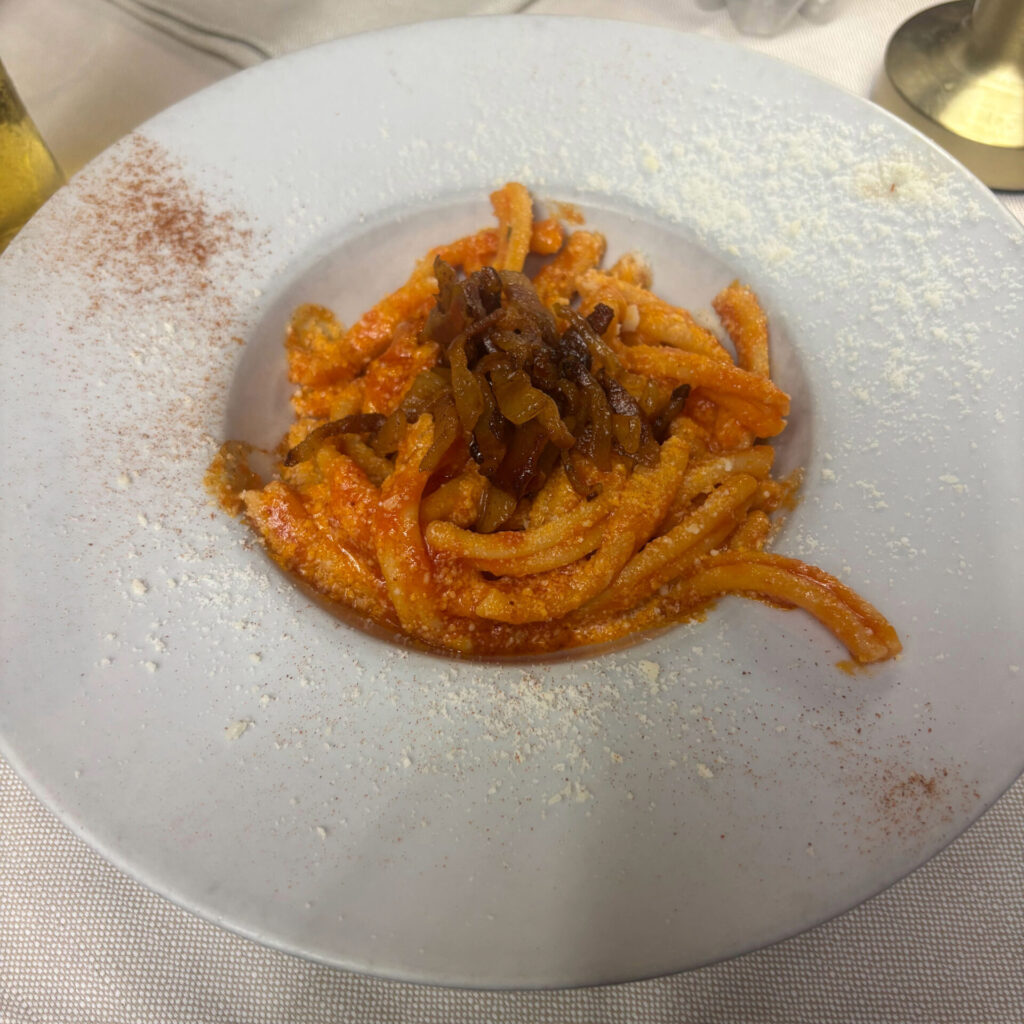
Classic dishes include Carbonara and Amatriciana alongside other popular Italian mains like seafood risotto and tuna tartare. This was the best Amatriciana in Rome, and we had several during our time here. The pasta was a shape we’d never seen before, called Strozzapreti, and topped with crispy bacon (guanciale). The variety of spitzes on offer also makes it a firm choice for a late afternoon aperitivo.
Pizza Ciro
Just a short walk from Piazza Navona, in Piazza di Sant’Apollinare, you’ll come across Pizza Ciro, a charming little Neapolitan restaurant tucked along the cobblestone streets. This traditional trattoria is complete with warm lighting, wooden tables, and red-and-white checkered tablecloths.
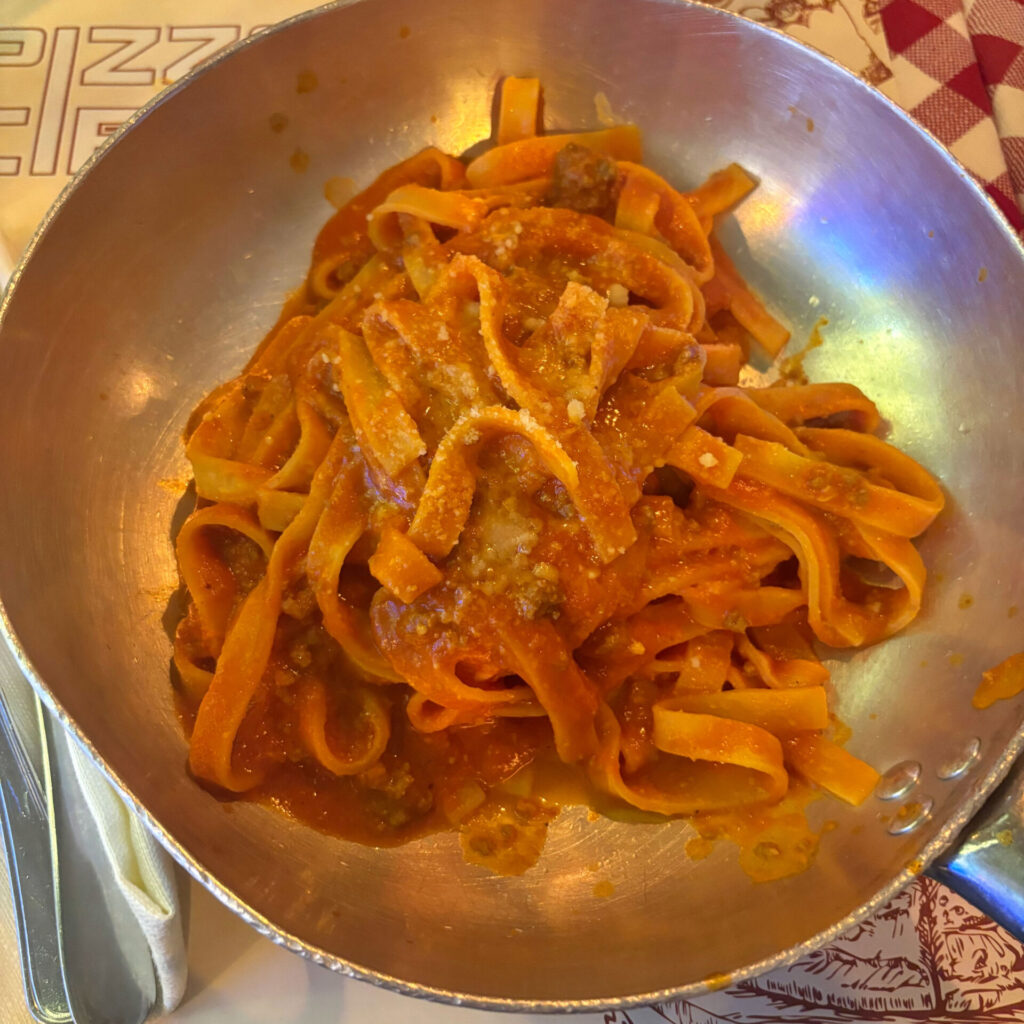
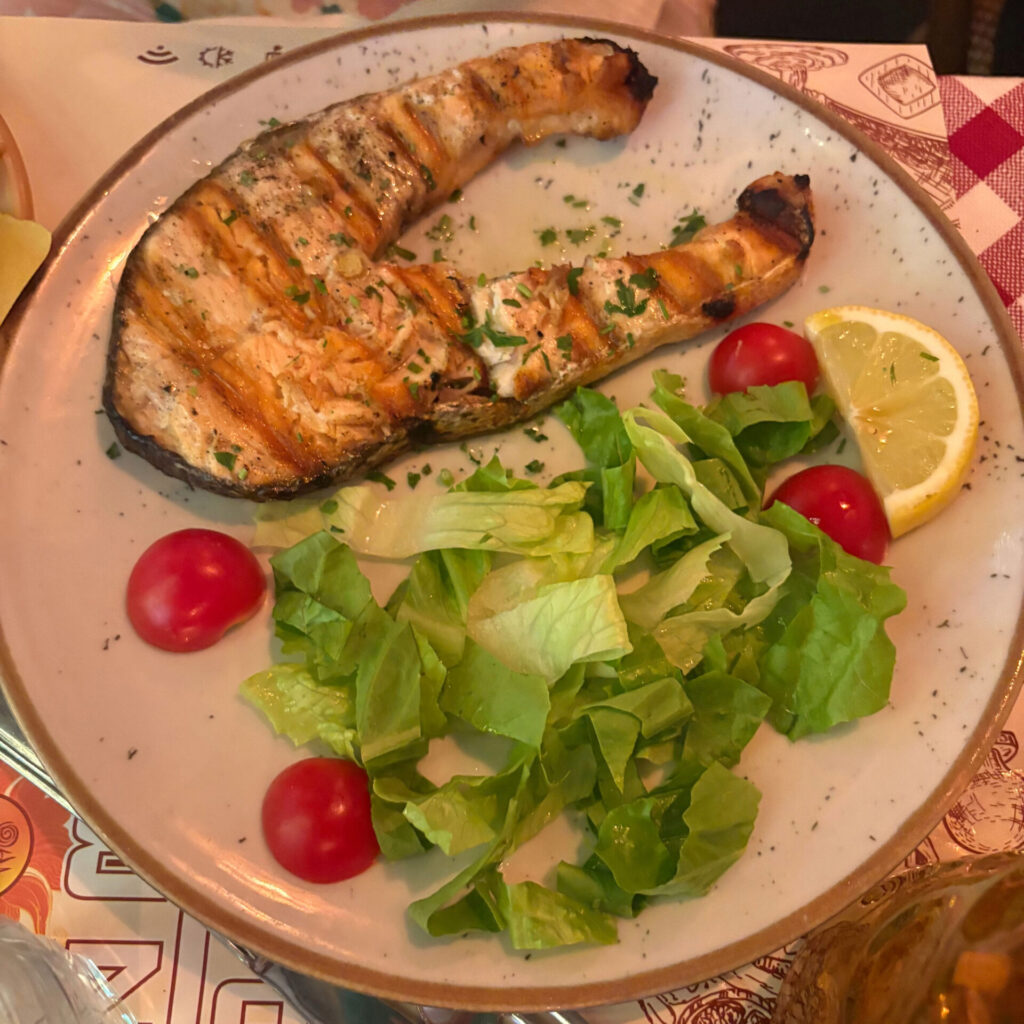
They specialise in authentic wood-fired Neapolitan-style pizza topped with creamy mozzarella di bufala. You’ll also be able to order from their range of homemade pastas and fresh seafood. On our visit, we decided to go for the Bolognese ragù (ragù con carne di manzo) and the grilled salmon with salad.
This was one of the few spots where we managed to secure a table after arriving past 8:00 pm, though the remaining seats filled up fast. We recommend booking a table earlier in the day or the day before if you plan to dine here, especially if you hope to secure outdoor seating in the piazza.
La Veneria Trapizzino
This was the final stop of our wine tour, where we enjoyed a small street food snack to soak up the alcohol. There are several Trapizzino – La Vineria venues in Italy, but we visited the Trastevere flagship at Piazza Trilussa, 46, that sits directly across from the iconic Ponte Sisto pedestrian bridge.
The venue was super busy at the time, so we had to wait around 20 minutes to secure a table. It’s a fast-paced shop, full of locals and travellers seeking tasty food and an authentic Italian vineria (wine bar). The shop specialises in Trapizzino, which is a triangular pocket of warm pizza bianca stuffed with traditional, slow-cooked Roman stews.
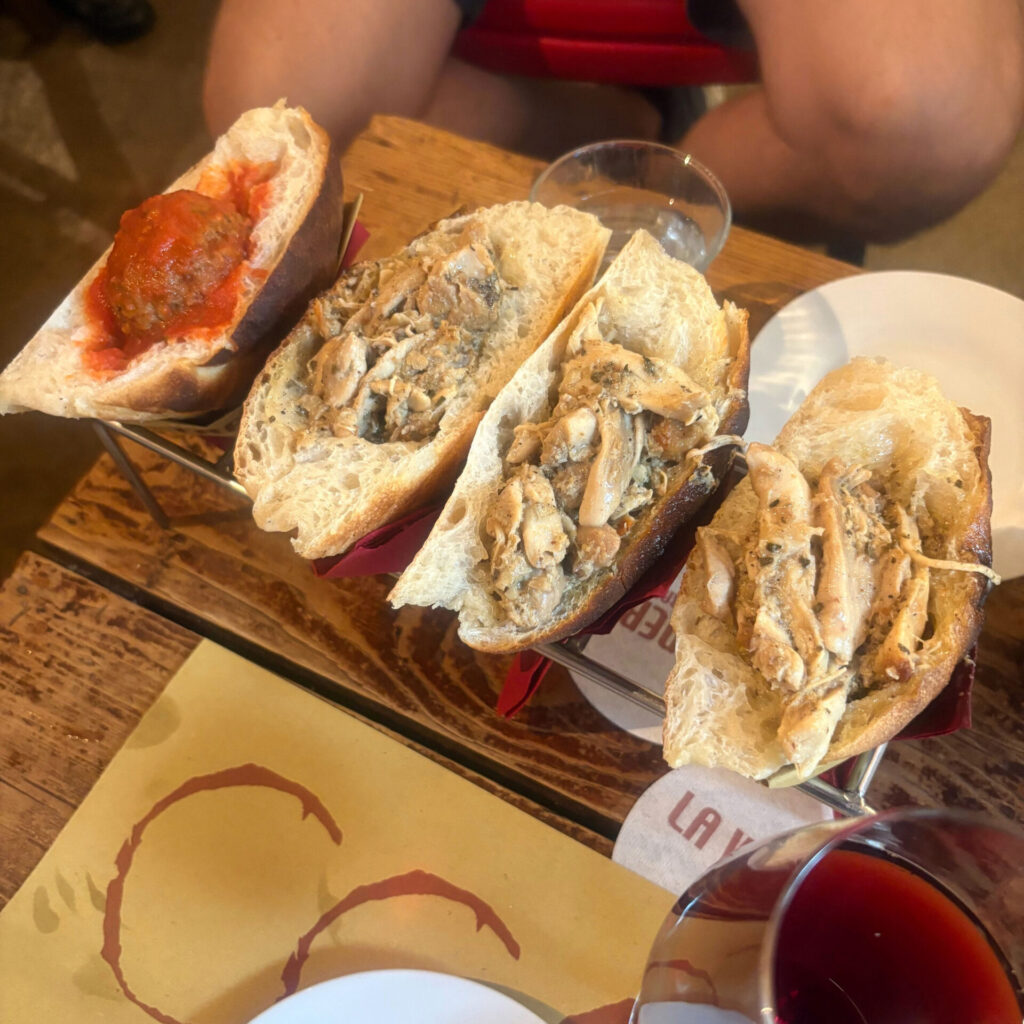
The fillings we chose included the Pollo alla Cacciatora (braised chicken with garlic and rosemary) and the Polpette al Sugo (meatballs in tomato sauce). Along with the trio of wines we sampled, it was nothing short of amazing. Shout-out to Alex, our guide, for showing us this place. It was the perfect ending to a great tour in a beautiful area.
If you’re after famous street food in Rome or delicious pizza pockets for a small lunch, head to one of these venues. There is another located in Testaccio at Via Giovanni Branca, 88.
Il Papalino
If you’re doing a day trip to the Vatican City and need somewhere to eat, make sure to stop by Gelateria Papalino at Borgo Pio. To prepare ourselves for the long day, we indulged in their homemade tiramisu and iced tea, which felt like you were dining at a local’s home. The inside was luxurious and old-fashioned, and the staff were so warm and friendly – we wish we had had more time to spend here.
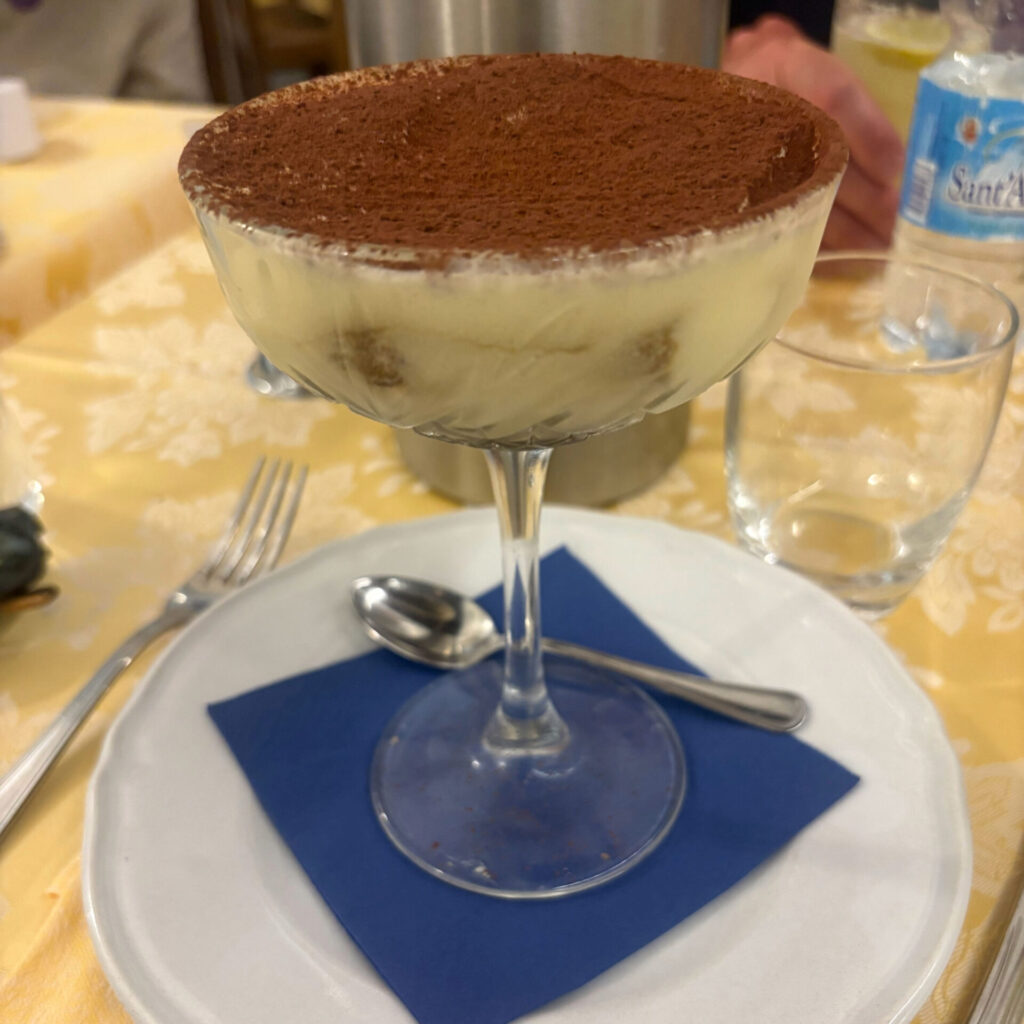
Should we come back, we’d definitely stop by for their classic Roman lunch dishes or artisanal gelato.
Tonorello
On our final night, we wanted to dine in Rome’s best culinary region, Trastevere. Finding somewhere that looked busy without an hour-long queue seemed like a chore. Plus, looking online at Tripadvisor and other food blogs seemed to suggest places where the food didn’t look the best at first glance.
We stumbled across Tonorello and managed to bag the last table before the queue started piling up. You can find the restaurant at Via della Paglia, 1/2/3, right on the corner of Piazza della Scala, a short walk from the Basilica of Santa Maria.
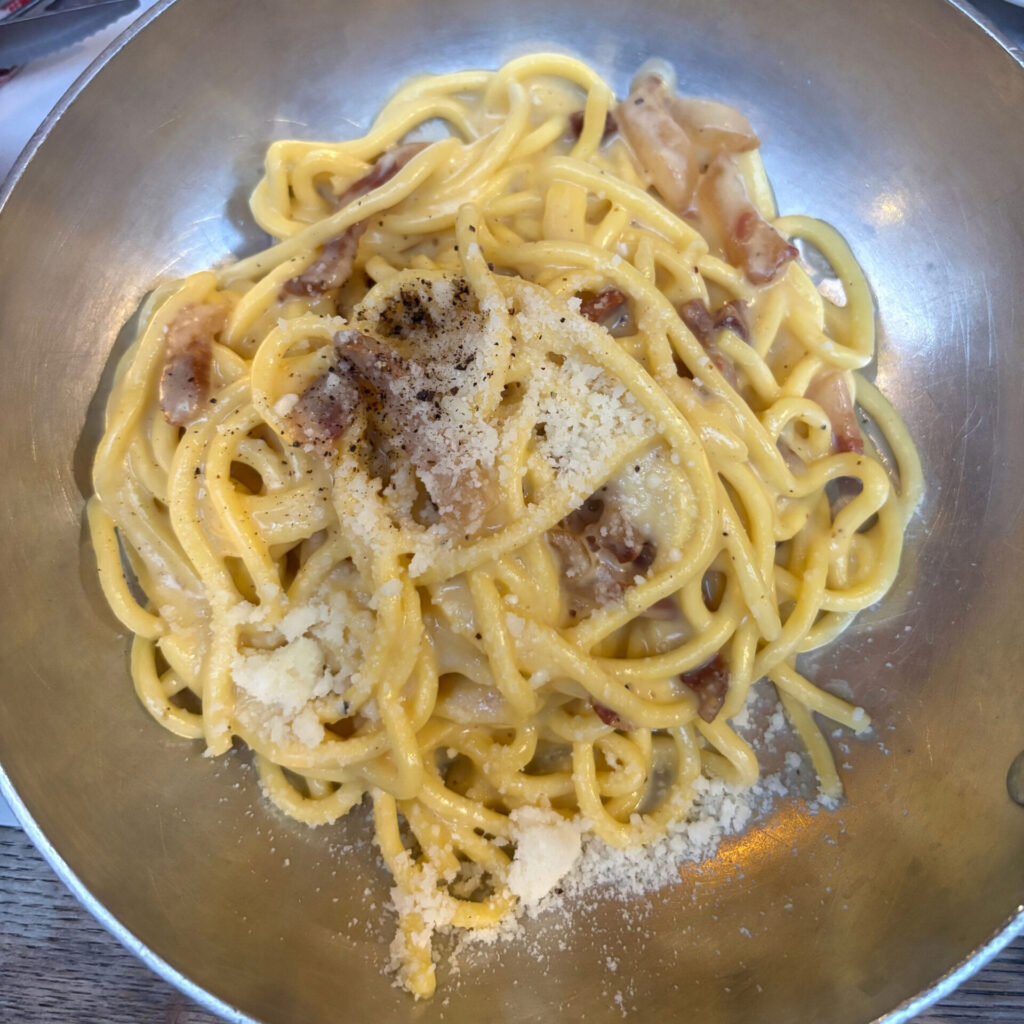
Luck was on our side this evening as we had one of our best meals here. If you’re on the hunt for the best Carbonara in Rome, you don’t need to look any further than Tonnarello. The homemade Tonnarello pasta (a thick, square-cut Roman pasta) was cooked perfectly al dente and tossed in a creamy sauce with crispy bacon. It wasn’t overpowering from the cheese and paired well with their freshly baked focaccia pizza.
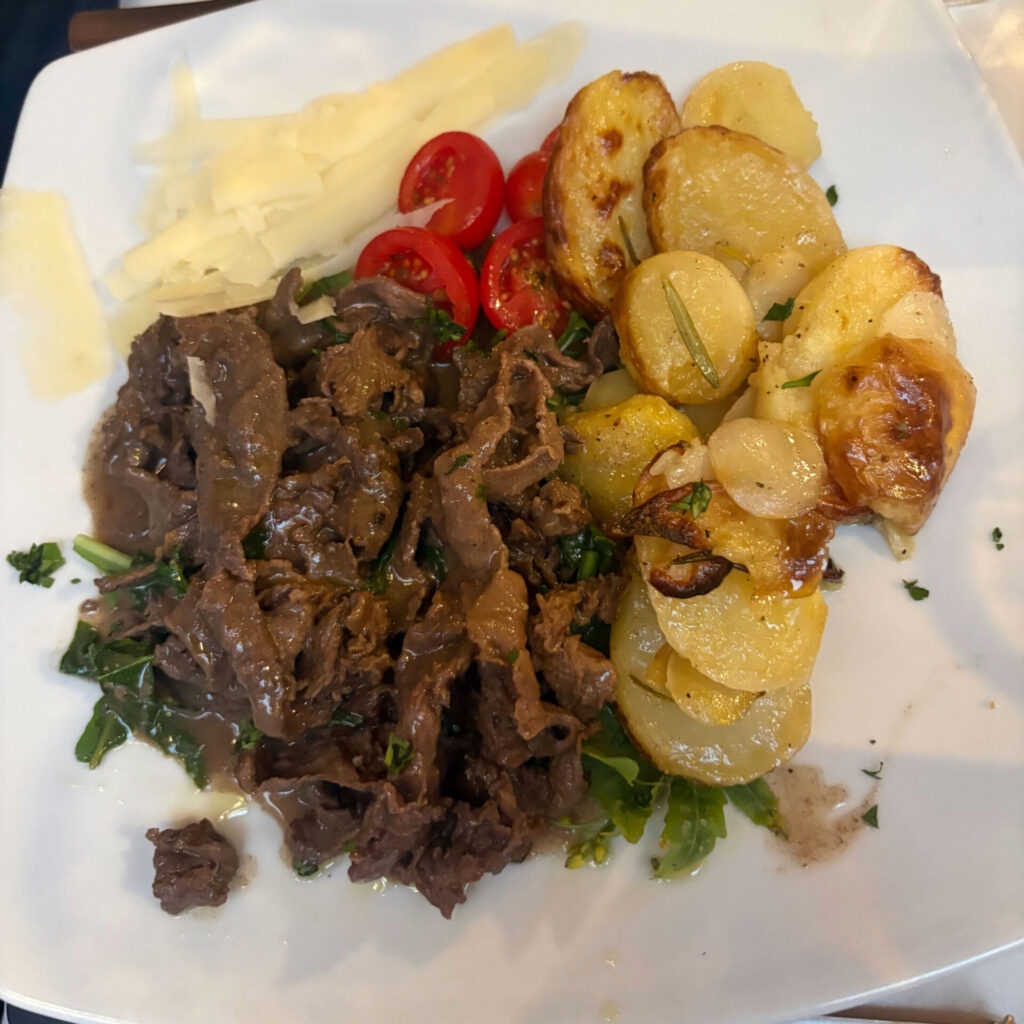
Our group also ordered the Cacio e Pepe, Pollo alla Romana (chicken with peppers in a tomato sauce), and the Straccetti (sliced beef in wine with rocket and grana cheese).
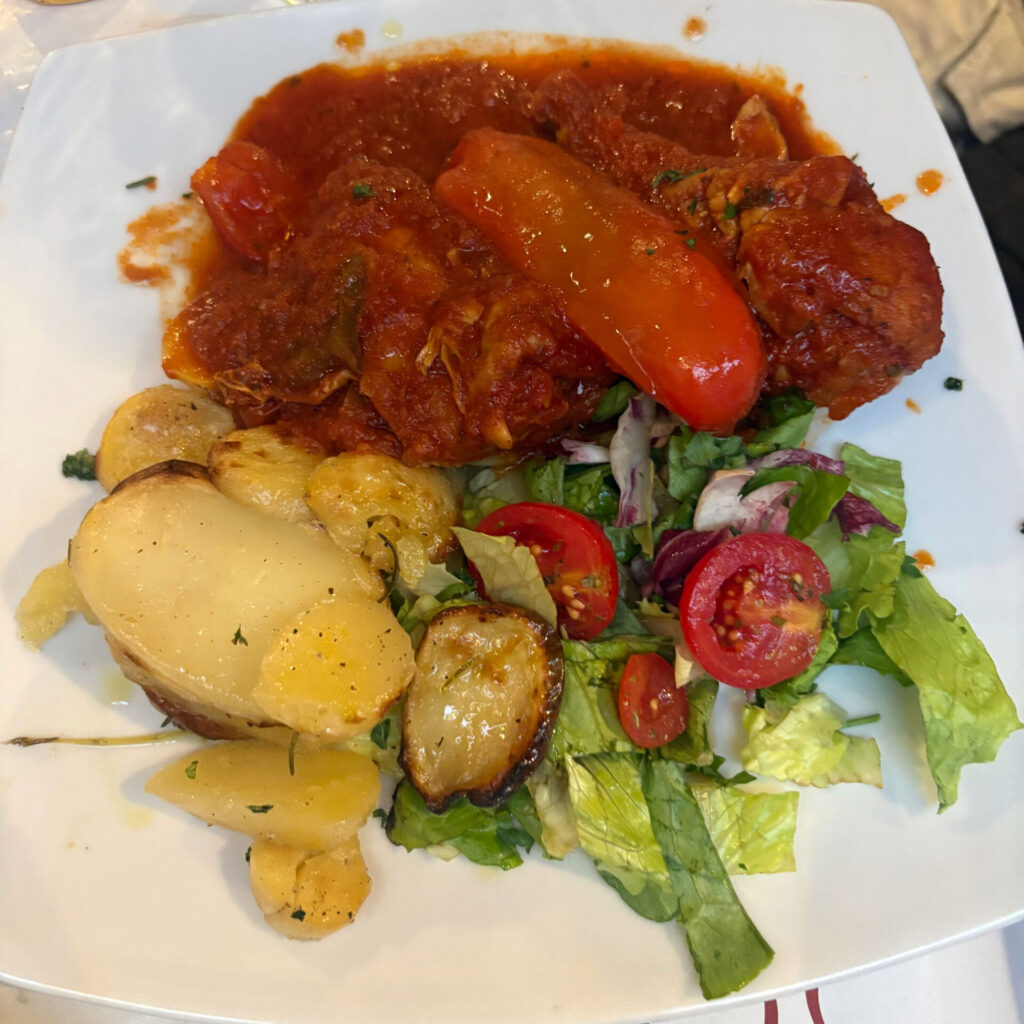
Important note: Please do mention any allergies to the staff. We didn’t realise they were made from cashew nuts, so it’s fortunate the staff were great at helping us with our choices.
La Bottega Ristorante Punturi
Also located in the upscale Nomentano / Piazza Bologna neighbourhood, La Bottega Punturi is a charming Roman bistro popular among locals. It’s located at Via Giovanni Battista Morgagni, 22, with outdoor and indoor seating.
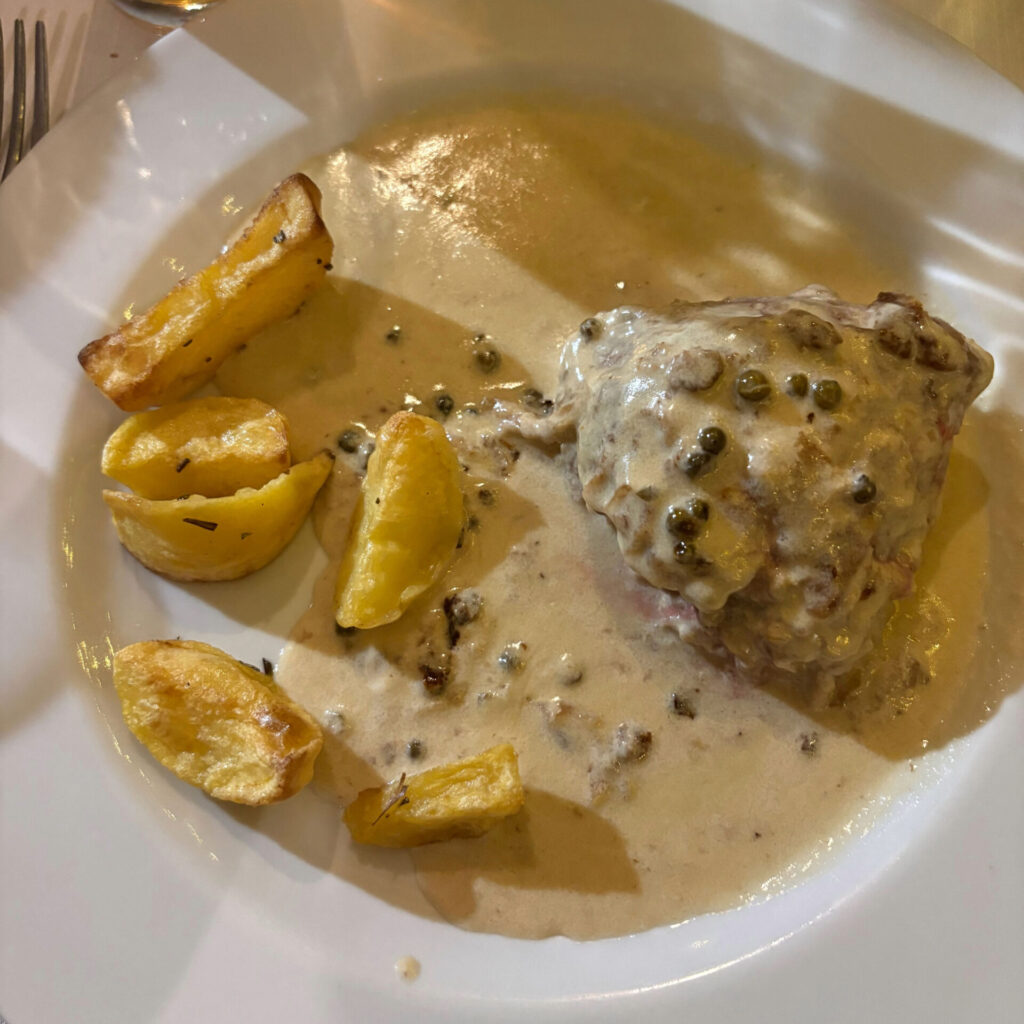
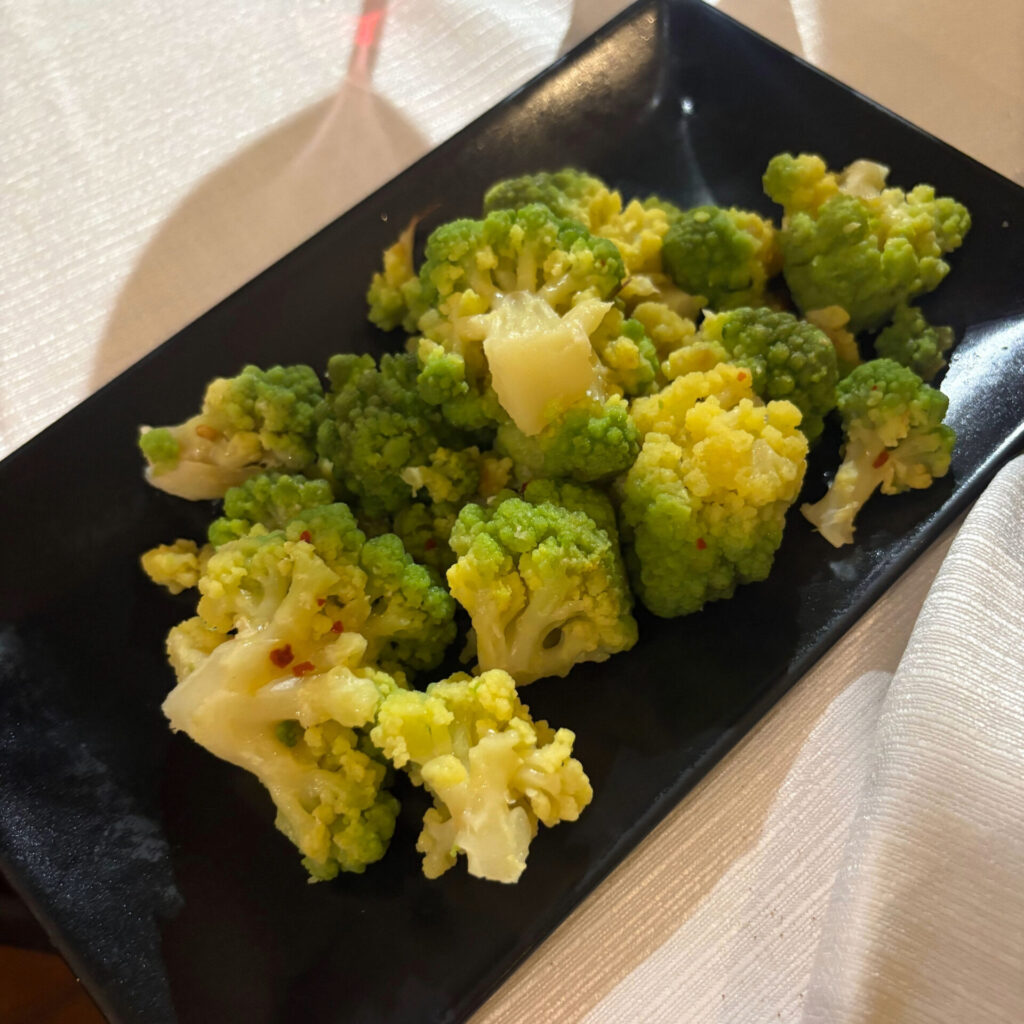
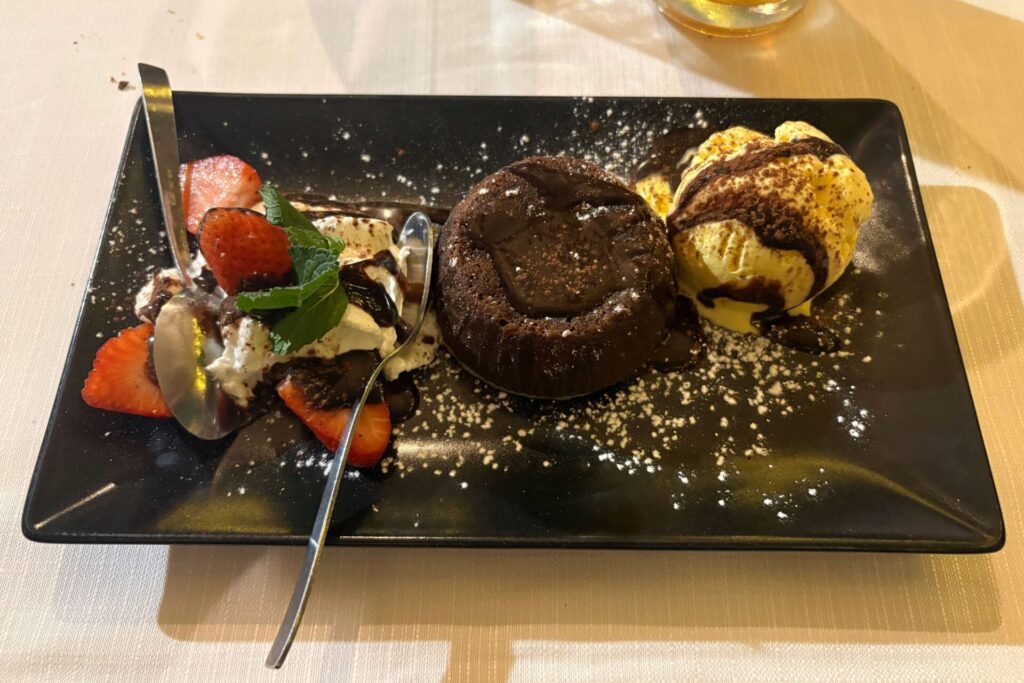
They specialise in a variety of classic Italian and Roman cuisine, such as Coda alla Vaccinara (ox-tail stew) and Carbonara. We went for the Paccheri di Gragnano all’Amatriciana and the Beef Tenderloin with Green Peppercorn Sauce. This was cooked medium-rare to perfection, and we also ordered a side of the Broccoli Ripassati, which was seasoned with garlic and salt. For desert, we went for the molten heart chocolate cake.
Important note: Please do check the allergy menu, as a lot of the dishes contain major allergy groups. This is mostly the fried food, such as the Supplì, which we believed to be cross-contamination. However, some of the food is apparently dusted with peanut powder. Our waitress was so helpful with ordering suitable food and a pleasure to speak to, which we greatly appreciated.
Mr. 100 Tiramisù
In the Parione district at Via della Sedia, 27, you’ll discover one of Rome’s most famous dessert spots. Mr. 100 Tiramisù Rome does as the name says. The venue serves up 100 different handcrafted varieties of fresh tiramisu with rich mascarpone cream. We opted for the Kinder Bueno flavour, but you can also choose from Nutella, Salted Caramel, Limoncello, and many more.
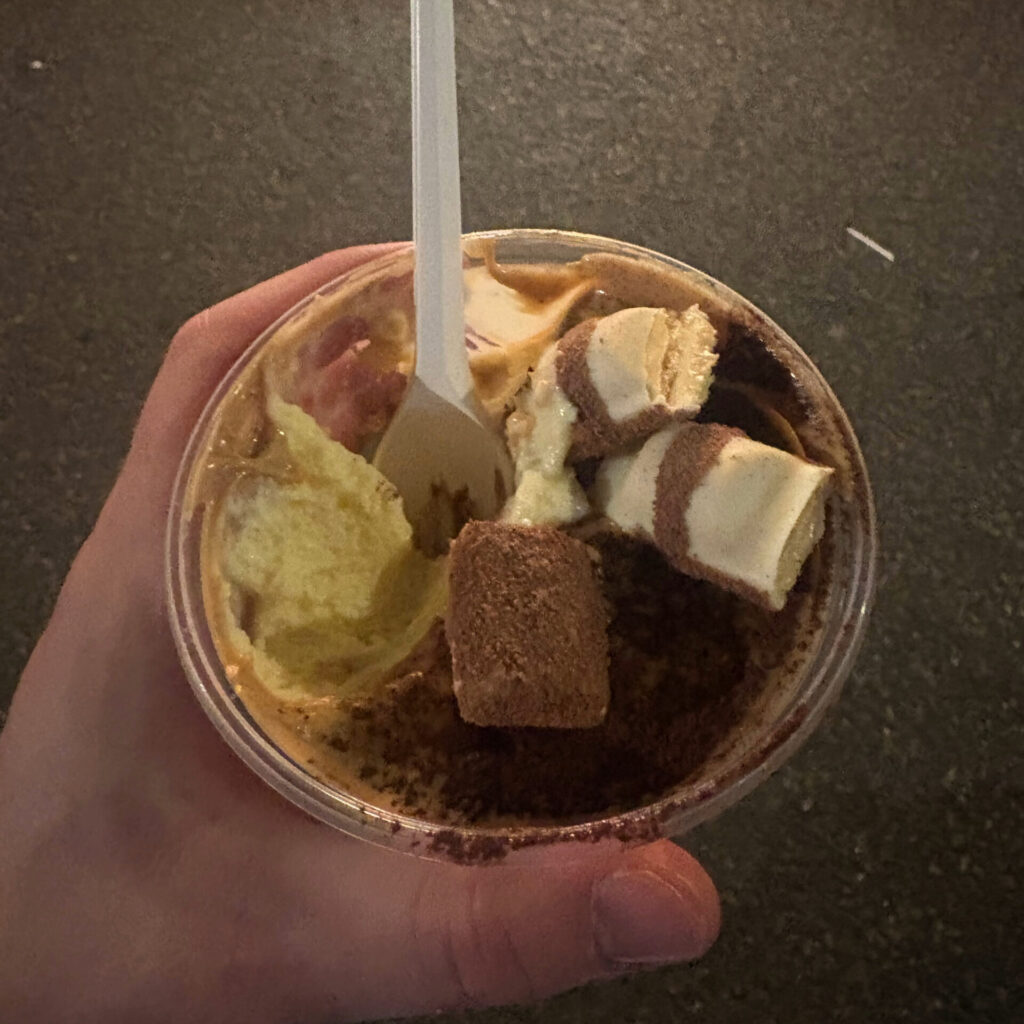
While you can sit inside the venue, seating is limited. We took ours to enjoy on the walk back to our apartment.
Il Maritozzo Rosso
After seeing the viral cream buns in Rome, we tried looking for maritozzo everywhere in Rome. We managed to find a highly rated place not far from our final meal at Tonorello in Trastevere.
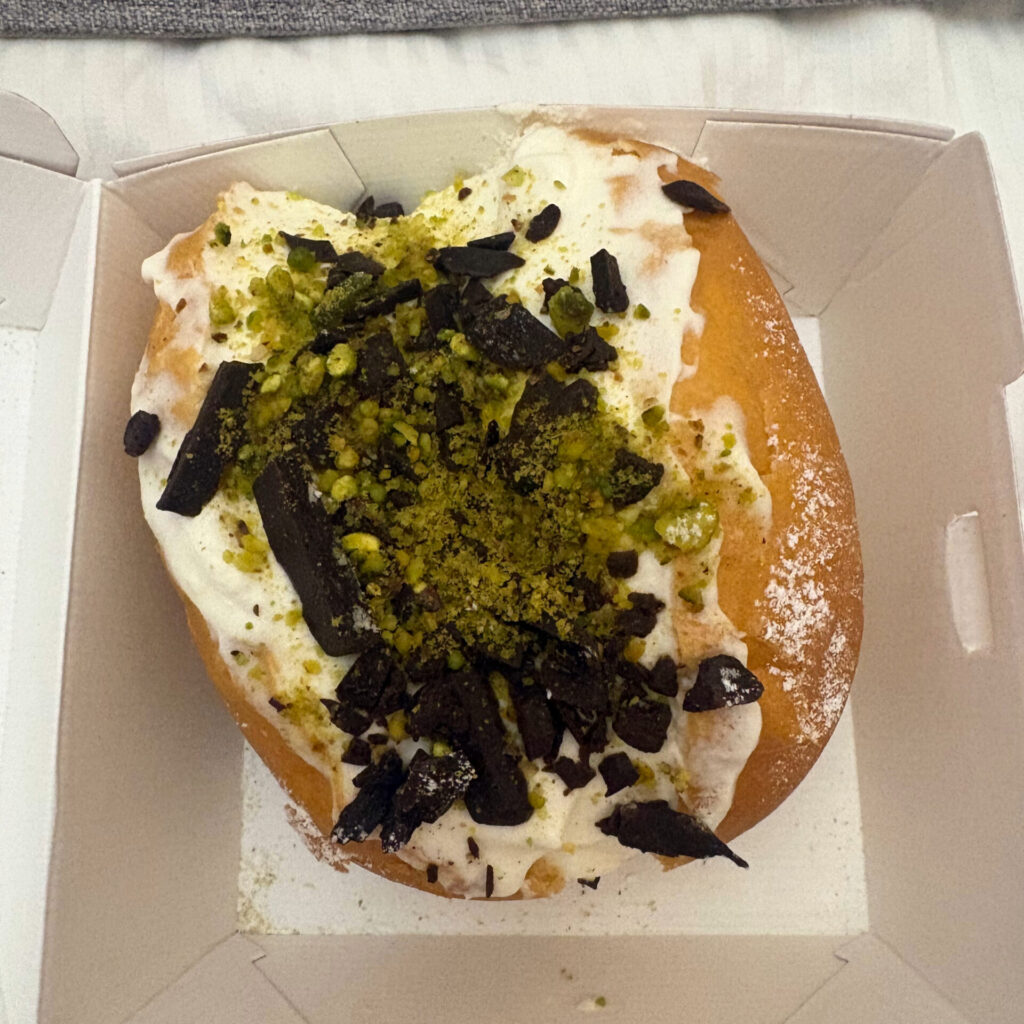
Il Maritozzo Rosso is somewhat of a hidden gem, tucked away down a cobbled side street. The street food bar is known for its savoury and sweet maritozzi, which are filled sweet brioche buns. We opted for the sweet version filled with whipped cream, chocolate shavings, and crumbled pistachios.
These are the traditional version of the classic Roman dessert, whereas most tourist spots will use a custard cream filling. It’s a light yet filling snack you’ll wish you discovered sooner.
Where to Drink in Rome: Our Favourites
There’s nothing better than drinks and signature cocktails in a European city during the summer. And in Rome, it’s almost a necessity to stop every 30 minutes or so when walking in the heat to rest and recharge.
To be honest, you can’t really go wrong in Rome for drinks; everywhere we went served a range of amazing wines and cocktails. The prices were also reasonable for such a popular tourist destination. Here are a select few of our favourite bars we stopped at during our time here.
Ambrosia Rooftop Restaurant & Bar
If you’re searching for a rooftop bar in Rome with stunning views, you can’t do better than here. Ambrosia Rooftop Restaurant & Bar is located on the 7th floor of Hotel Artemide at Via Nazionale, 22, situated in the Repubblica / Monti district. Inside the hotel, we were directed to the lift and managed to grab ourselves a seat on the outside terrace by the only fan. The 360-degree view of Rome’s skyline was breathtaking, and the venue was a nice retreat from the bustle of the city.
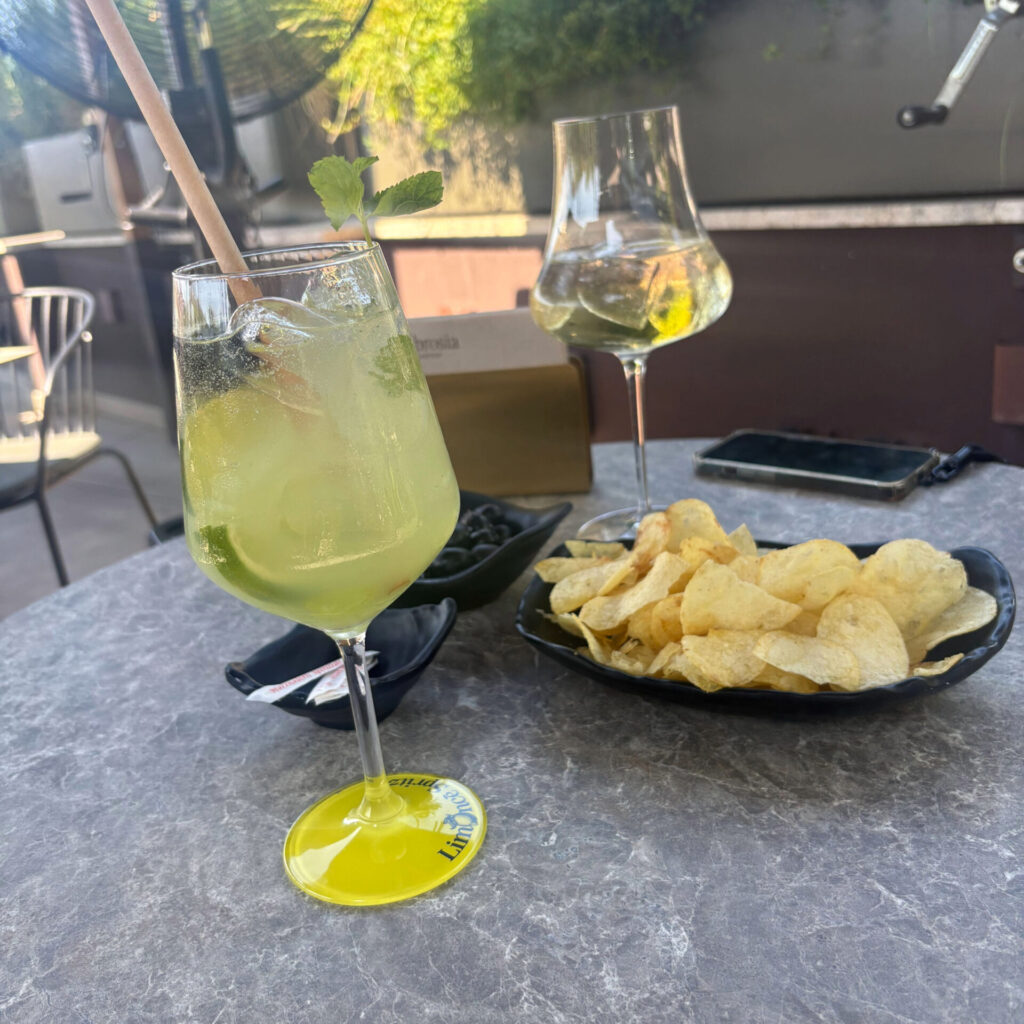
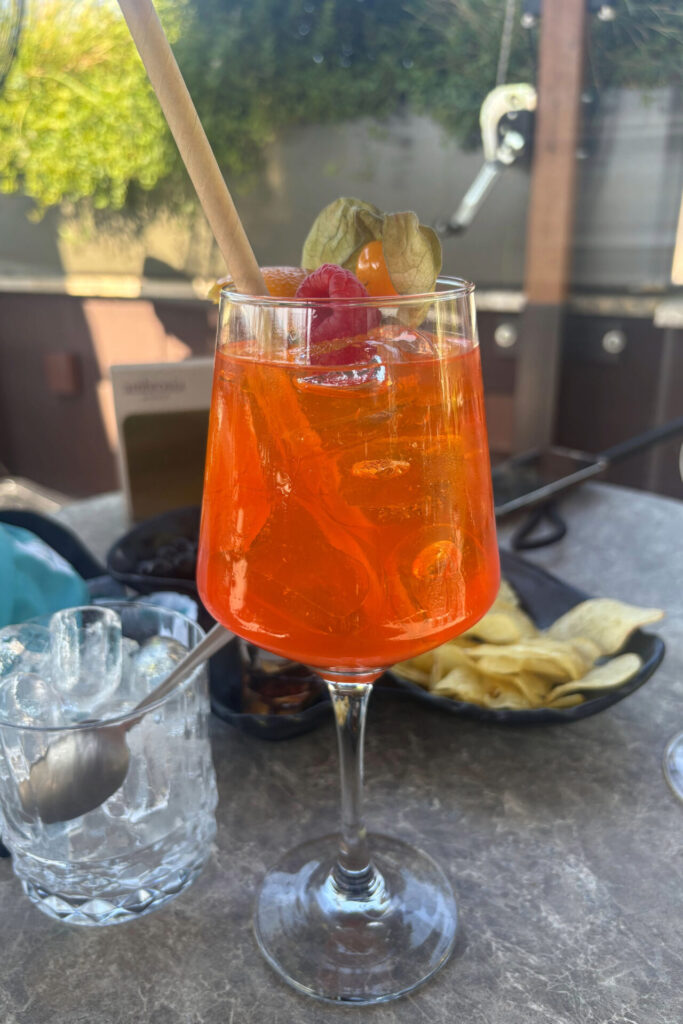
We ordered a limoncello spritz, a glass of the Sauvignon, and an Aperol Spritz. The waitress also brought over some black olives and snacks. Because of the hotel’s luxury status and location, this was the most expensive bar on our trip but also our favourite.
Via Genova
As we walked through the main streets of Rome, we came across a small bar up a side street. Via Genova, 21, on the street of the same name is an easy 5-minute walk from the Teatro dell’Opera di Roma and the Cavour Metro station.
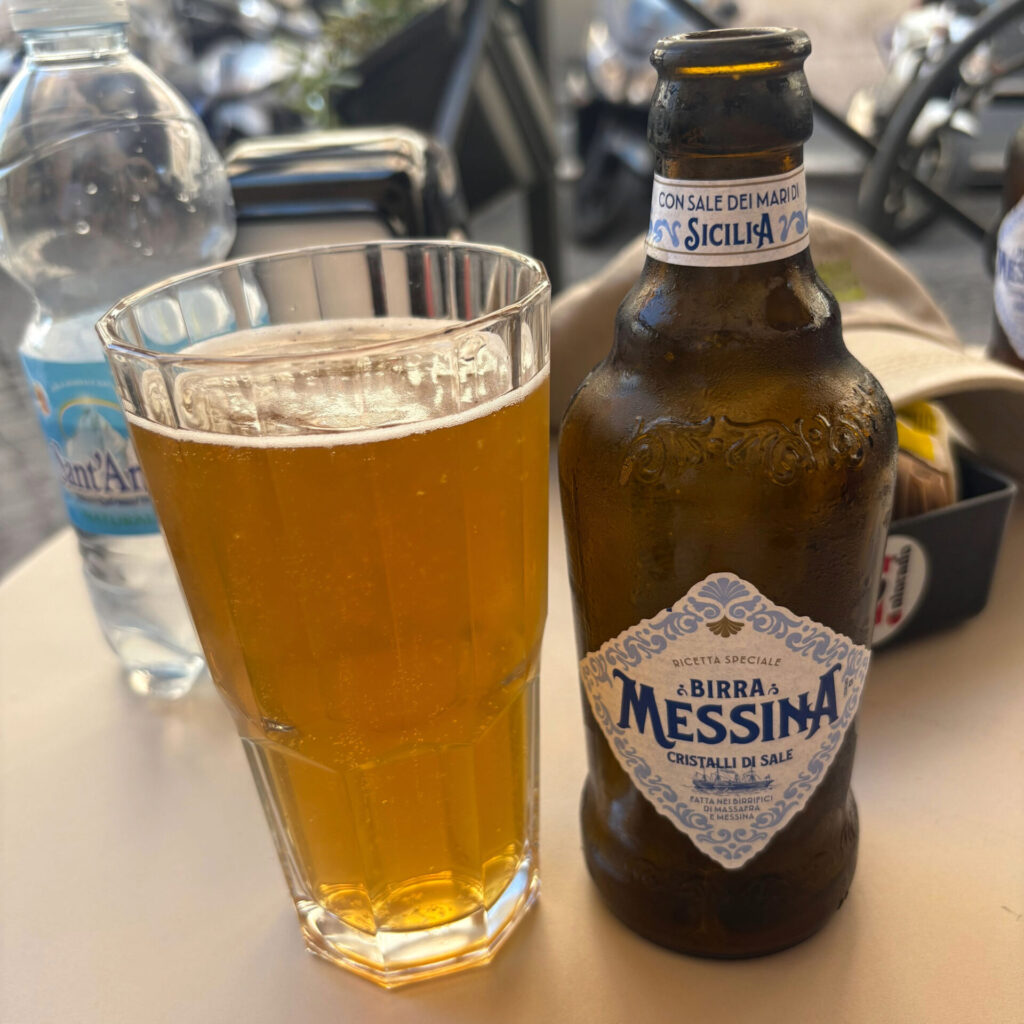
The speakeasy-inspired establishment in Monti Rome has a cute outdoor seating area with wooden tables and chairs. The waiter recommended Birra Messina, a light Italian craft lager, which is now one of our favourites. You can also find these chilled in the Pam Local supermarkets. Hopefully, we can find these at home somewhere.
The Flann O’Brien
An unassuming bar along Via Nazionale, 17, The Flann O’Brien is conveniently positioned along a major thoroughfare connecting Piazza della Repubblica and Termini Station to Piazza Venezia. This makes it a great bar stop-off for those staying near Termini.
It’s a quintessential Irish pub filled with rich wooden panelling and brass fittings. There are huge screens overhead displaying sports events, too. It’s the go-to place for locals and travellers looking for live matches and evening music. Plus, there’s seating outside for the summer months. They offer a selection of Irish and craft beers and pub fare, including Guinness and Heineken.
Limon’è
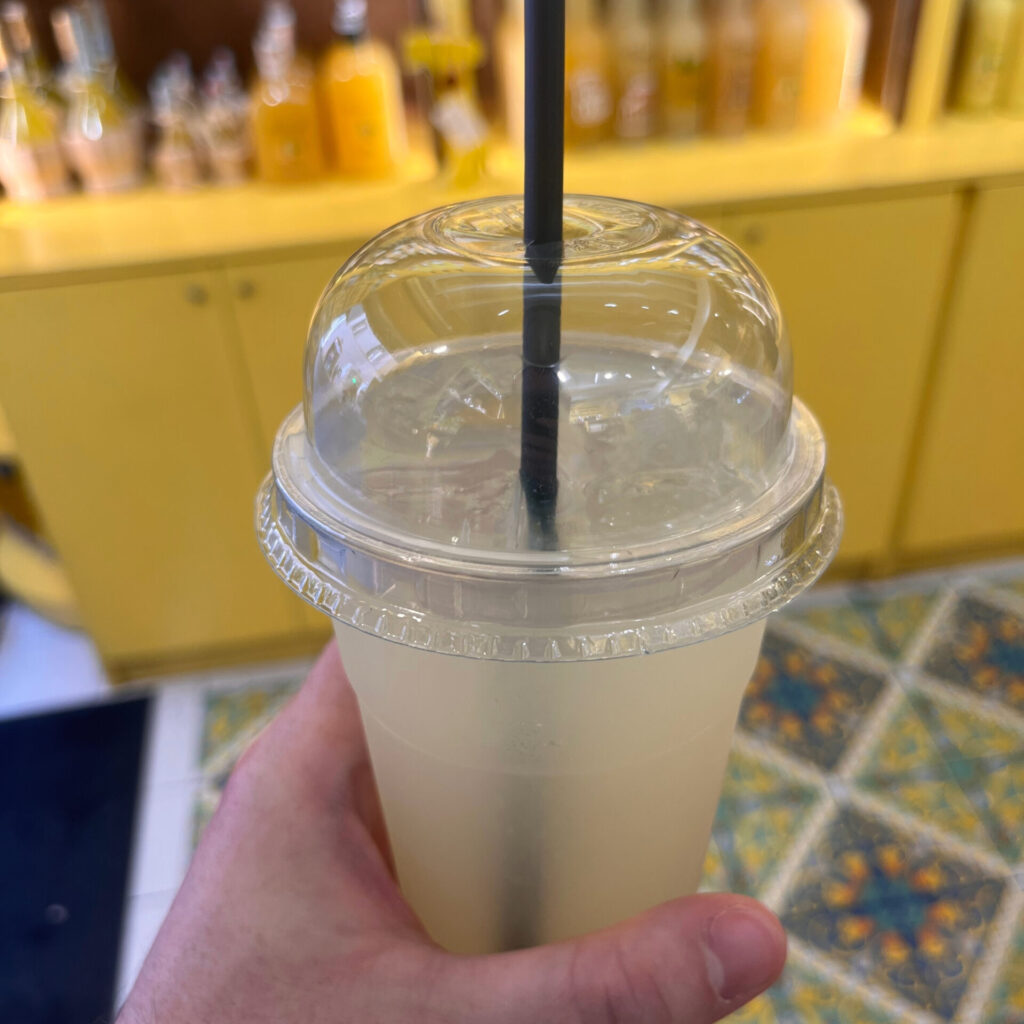
While not a bar, it’s certainly a place we’d suggest stopping by Limon’è for a cold cup of fresh lemonade in Rome after seeing the Spanish Steps. The shop sells a variety of lemon-based products too, including limoncello, sorbet, and olive oil.
Q’4RT Hotel
While the Q’4RT Bar & Lounge can be found inside the Hotel Oxford in Rome, there are a few seats outside for those looking for a quick drink. You’ll find it in the Via Veneto district – the hotel was only a few minutes’ walk from our apartment.
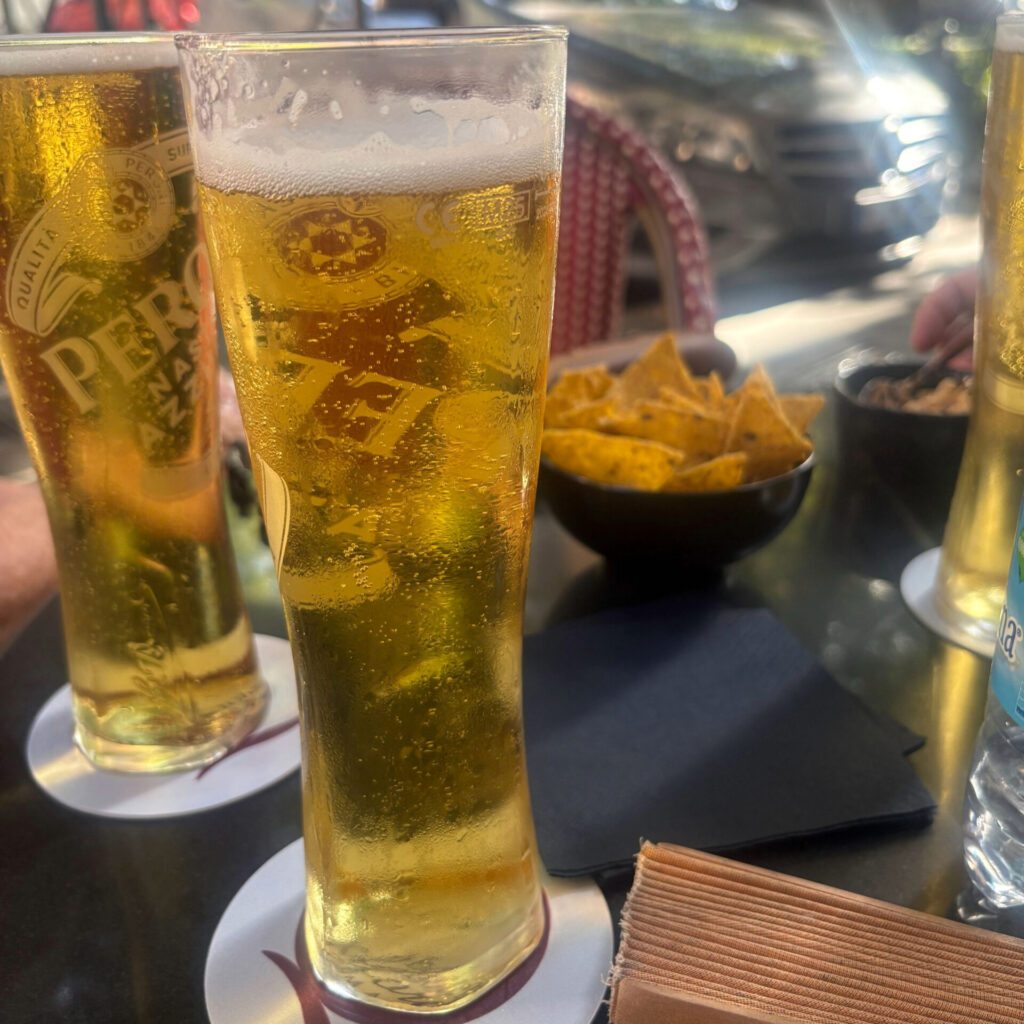
They specialise in regional Lazio wines and pre-dinner digestifs. However, they also serve cold pints of Peroni if this is more your thing. The hotel is sophisticated and features low ambient lighting and modern red seating. We’d definitely consider staying here if we were to visit Rome again.
What to See and Do in Rome
The Eternal City has something to see on every street. It’s almost like you’re walking through an open-air museum the entire time. We weren’t quite prepared for how magnificent Rome would be – it felt like you were transported back in time. It’s important to plan your itinerary ahead of time to ensure you pack as much in as possible, particularly if you’re only staying here for a few days,
We’d recommend prioritising a tour of the Pantheon, Colosseum, and the Vatican City above everything else. Don’t skimp on tour tickets either; always go for fast-track if you can. You can easily fit in a quick walk past the Trevi Fountain and the Spanish Steps, too, since they’re close by. Next time, we’d like to do the Catacombs of Rome, as we didn’t have the time to fit this in.
Here is a list of everything we explored in Rome, including any tips to make your visit more enjoyable.
The Spanish Steps
We weren’t even planning to visit the Spanish Steps at first. We were walking towards the centre and wondered what all the fuss was about until we turned the corner. The lively steps connect Piazza di Spagna at the base to the Trinità dei Monti church at the top. Positioned directly above the Spagna Metro station (Line A), the iconic 135-step monument serves as the centrepiece of Rome’s high-fashion shopping district.
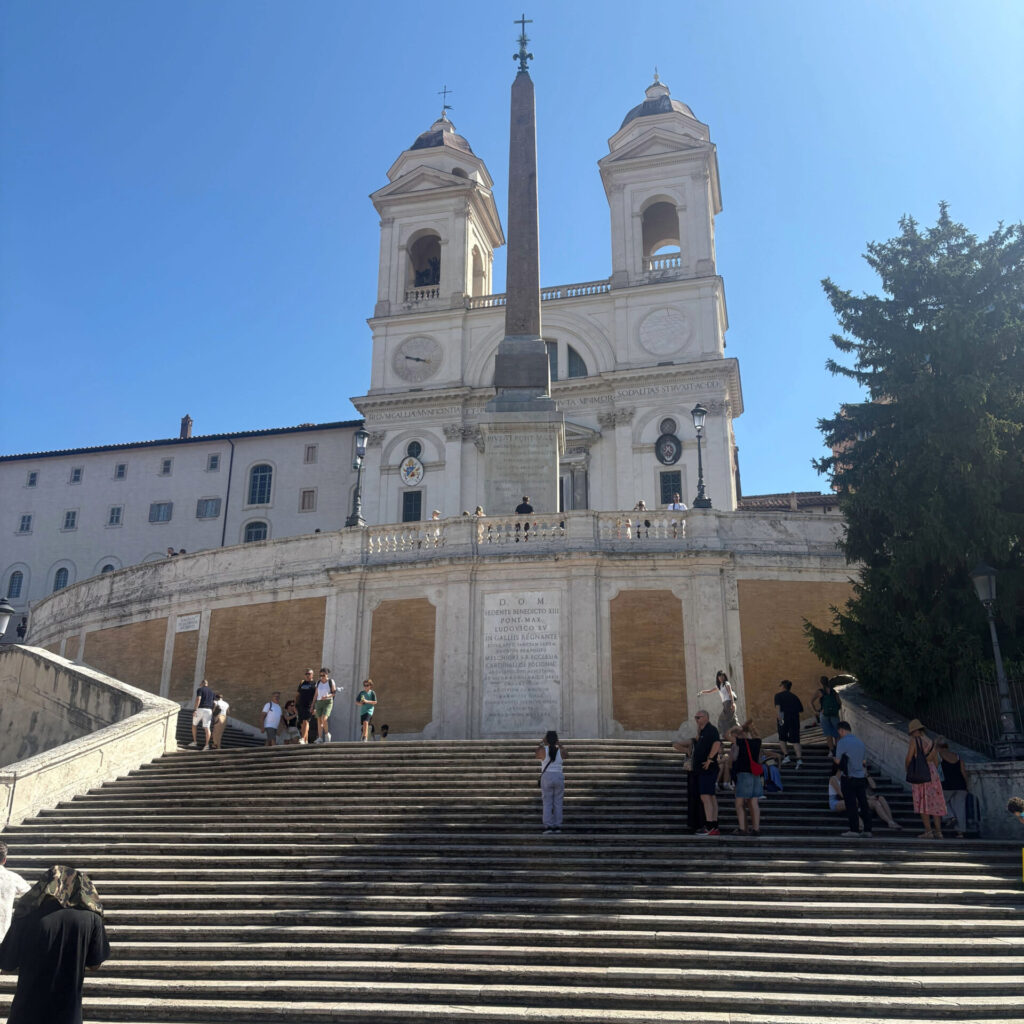
Both the steps and entry into the church are free. The steps are open 24 hours a day, seven days a week. The Trinità dei Monti church is open Tuesday-Sunday from 10:15 am to 7:45 pm, although this can change depending on schedules. Donations in the church are appreciated.
Things to see at the Spanish Steps
- Fontana della Barcaccia – The beautiful fountain at the foot of the steps was designed by Pietro Bernini. You’ll notice the shape resembles a sinking boat, which was inspired by Tiber River floods.
- Trinità dei Monti – At the top, you’ll see the twin-towered 16th-century French Church. From here, you’ll find amazing panoramic views over the rooftops of central Rome.
- Keats-Shelley House – There is a museum at the bottom dedicated to John Keats. The English poet lived and died in the house here, and you’ll come across period literary artefacts and manuscripts.
Trevi Fountain
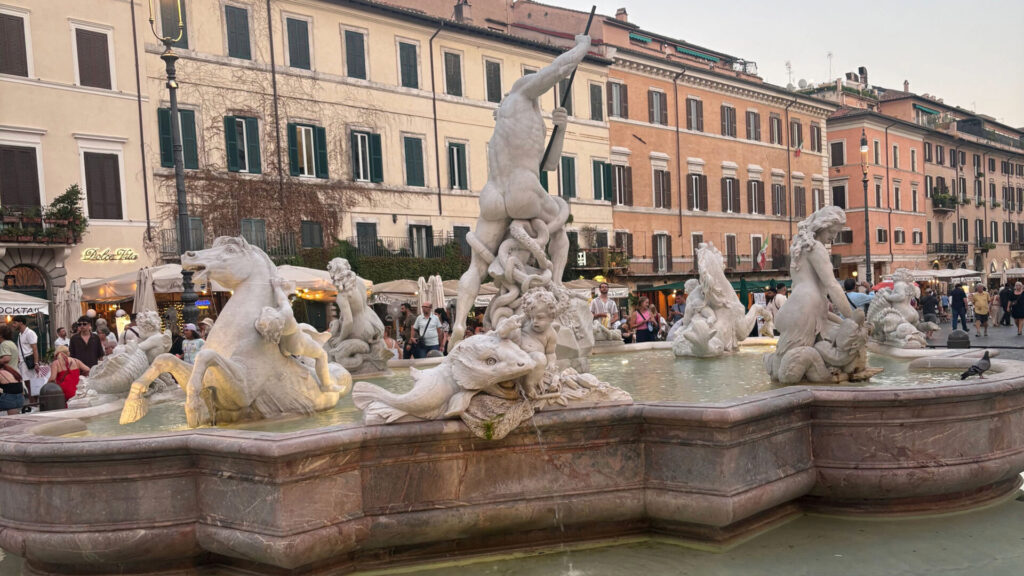
Located between the Spanish Steps and the Pantheon at Piazza di Trevi is the iconic Trevi Fountain. The masterpiece, designed by Nicola Salvi, is the largest Baroque fountain in the city. We arrived quite late in the afternoon, so the area was incredibly busy. Still, it was possible to take photos and enjoy the marble figures of Oceanus, Tritons, and sea horses, along with the rushing water of the fountain.
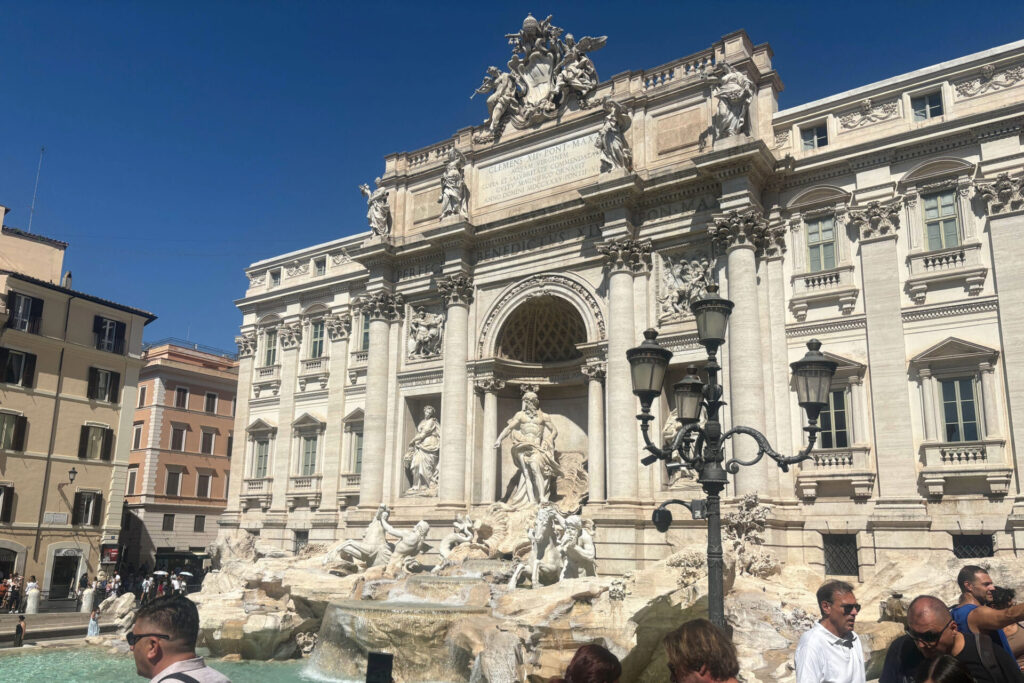
If you wish to get closer to the basin of the fountain, you now need to queue and pay a fee of €2 for a ticket. This applies from 9:00 am to 10:pm (from 11:30 am on Mondays and Fridays). After and before this time, the viewing area is free, and you can toss a coin in the fountain if you wish. The surrounding public piazza is always free, though.
We revisited the fountain at night, and it appeared completely different. The spotlights illuminated the waters and the statues, making it look even better than before.
The Pantheon
We chose to book a Skip-the-Line Ticket with Host/Audio Guide for our trip to the Pantheon. While it cost more, we couldn’t recommend it more. Some people had to wait hours in the baking sun just to step inside, and we walked in almost immediately. First, we walked over to Piazza della Minerva to meet the guides who showed us the QR code and password to access the online audio guide.
Top Tip: Bring a pair of headphones that pair with your phone to listen to the tour. Otherwise, you’ll have to hold your phone to your ear the entire time.
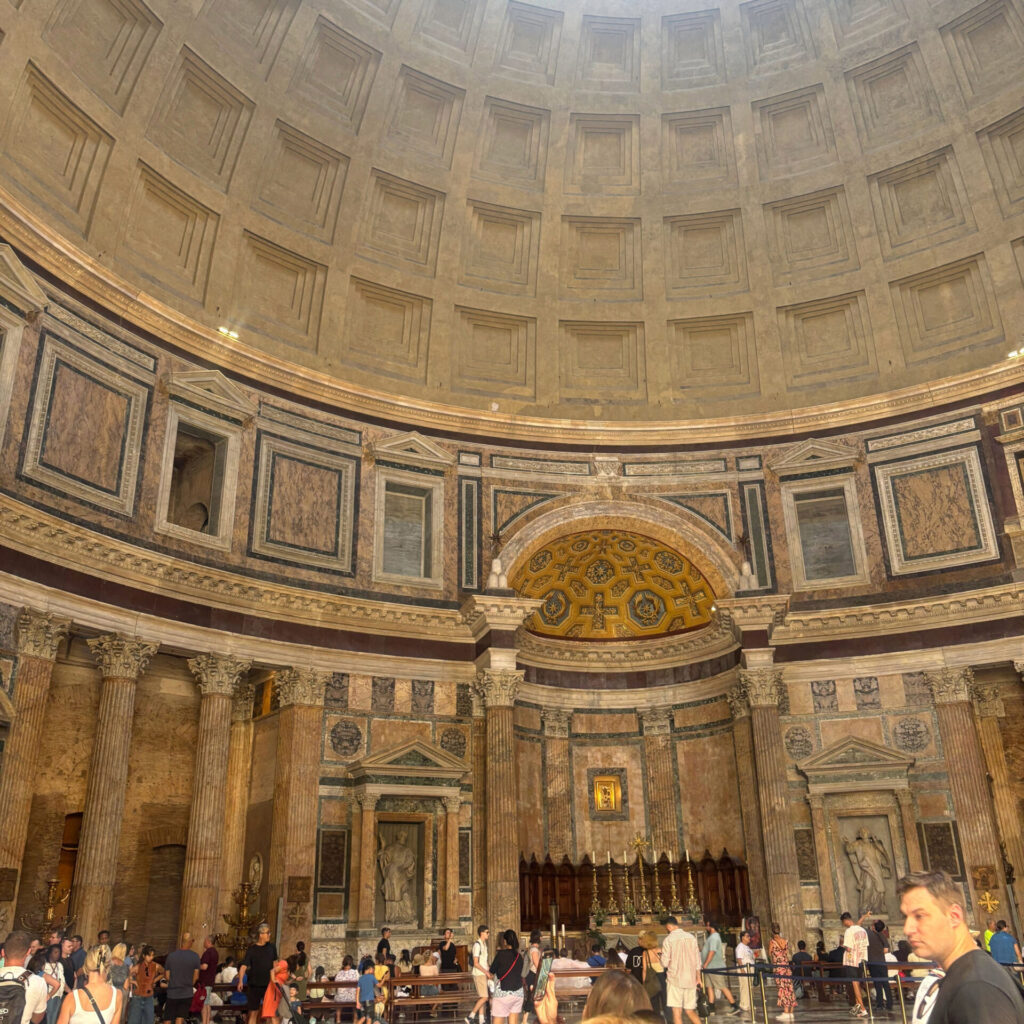
The Pantheon is one of the most incredible monuments in Rome, commissioned by Marcus Agrippa during the reign of Augustus. In 126 A.D., it was rebuilt by Emperor Hadrian. It’s hard to believe that it is still stands so well preserved compared to the surrounding area, which has all completely changed over the years.
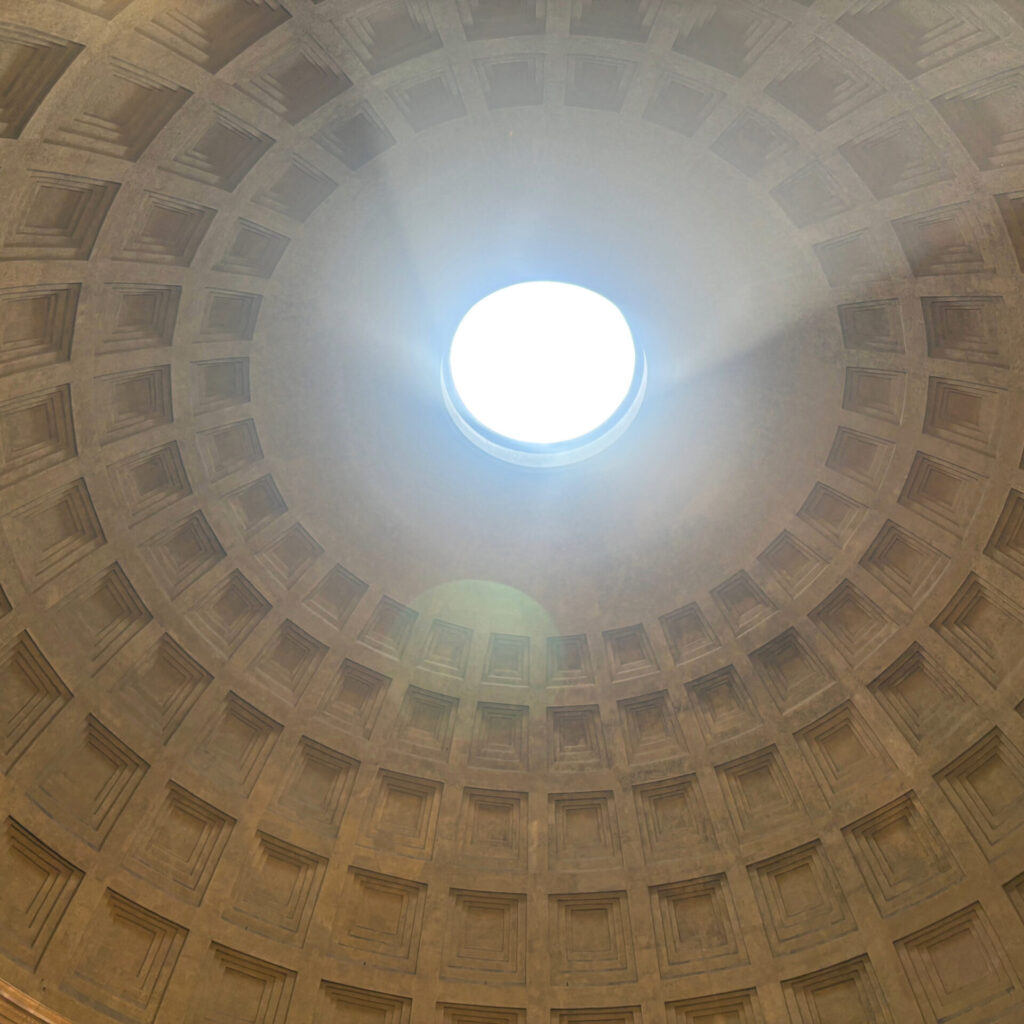
Key Things to See in the Pantheon
- Oculus and Concrete Dome – Looking up, you’ll find the world’s largest unreinforced concrete dome. It features a nine-metre open central aperture to let in natural light and rain onto the marble floor. The floor slopes from the middle and contains hidden drainage holes to prevent flooding.
- Tomb of Raphael – The final resting place of the famous painter Raphael. He is best known for The School of Athens masterpiece inside the Vatican and The Sistine Madonna painting. He’s located inside a marble sarcophagus beneath the Statue of the Madonna del Sasso in the Pantheon.
- Tomb of Italian Kings – The royal tombs of King Victor Emmanuel II (the unifier of modern Italy) and King Umberto I along the rotunda’s side chapels.
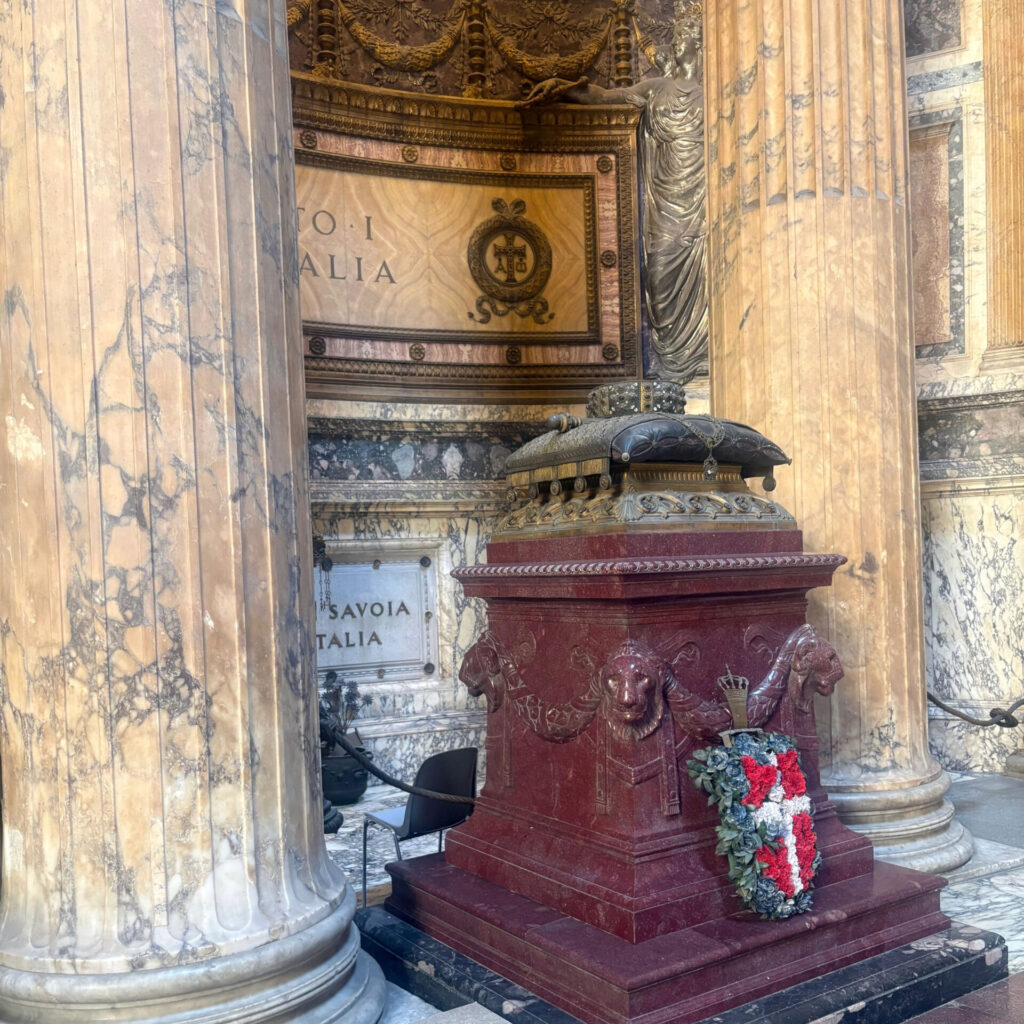
Important note: We were able to visit the Pantheon with shorts that fell just above the knee. Shoulders need to be covered. Women can go inside wearing hats, but men can’t.
The Colosseum
We highly recommend doing the Colosseum as early as possible, especially during the summer. The crowds are fewer and the heat less intense – it’s a lot more walking than you’d think. You can reach the outside easily via the Colosseo Metro Station (Line B).
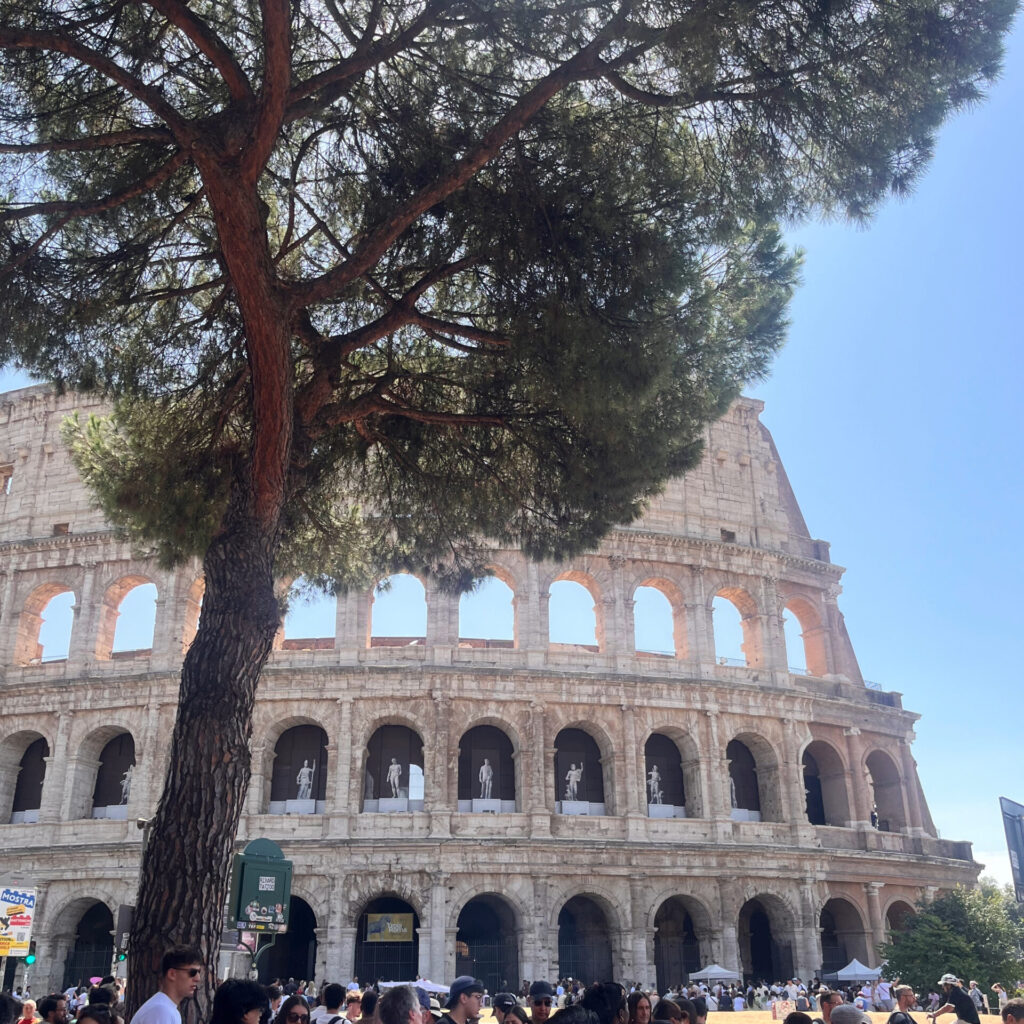
It’s more spectacular in person than you could ever imagine, and it is the largest ancient amphitheatre ever built.
Things to see at the Colosseum
- Arena Floor and Hypogeum – Walk across the reconstructed arena floor and go down into the Hypogeum. This is a network of tunnels and chambers where the gladiators would wait before going up into battle.
- Upper Tier Panoramas – Climb up to the seating areas (Cavea) for the best views inside and out towards the Arch of Constantine and Palatine Hill.
- Arch of Constantine – Find the 4th-century triumphal arch that sits beside the amphitheatre. It was built to celebrate the victory of Emperor Constantine at the Battle of the Milvian Bridge.
- Roman Forum – A public square that was the site of public speeches and elections, as well as some criminal trials.
- Palatine Hill – The site of the cave where Romulus and Remus were found and raised by a she-wolf, where Romulus then founded the city of Rome. You can explore the remains of the Domus Flavia and the stadium of Domitian. There’s also the Farnese gardens, one of the earliest private botanical gardens in Europe.
The Vatican City
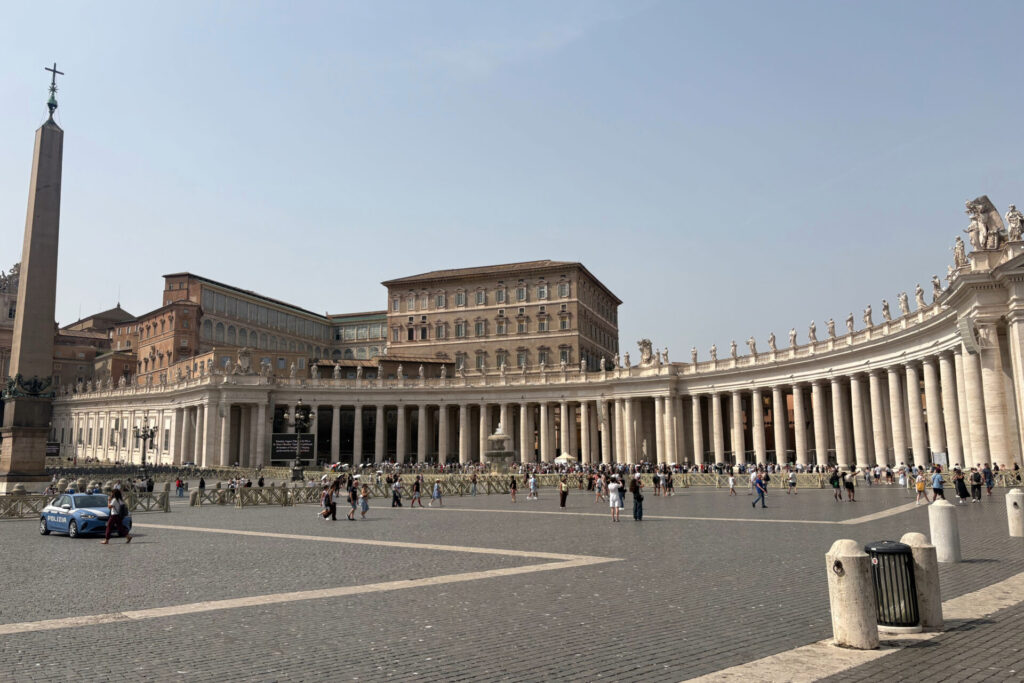
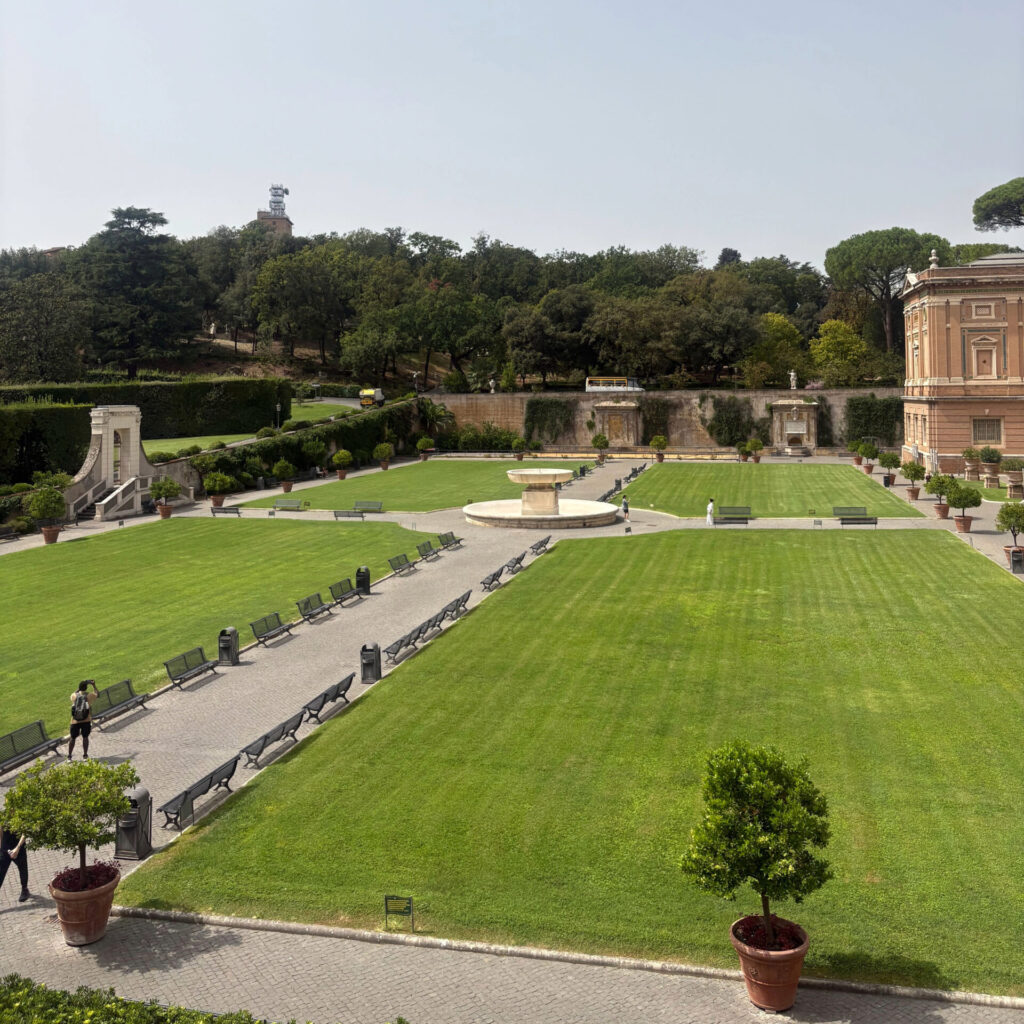
When in Rome, a trip to the Vatican City is a must. Bound by medieval walls and encircled by Rome, the independent city-state is a sacred area and the world’s smallest independent sovereign state. It is the heart of Roman Catholicism and is full of amazing statues, paintings, and architecture spanning thousands of years.
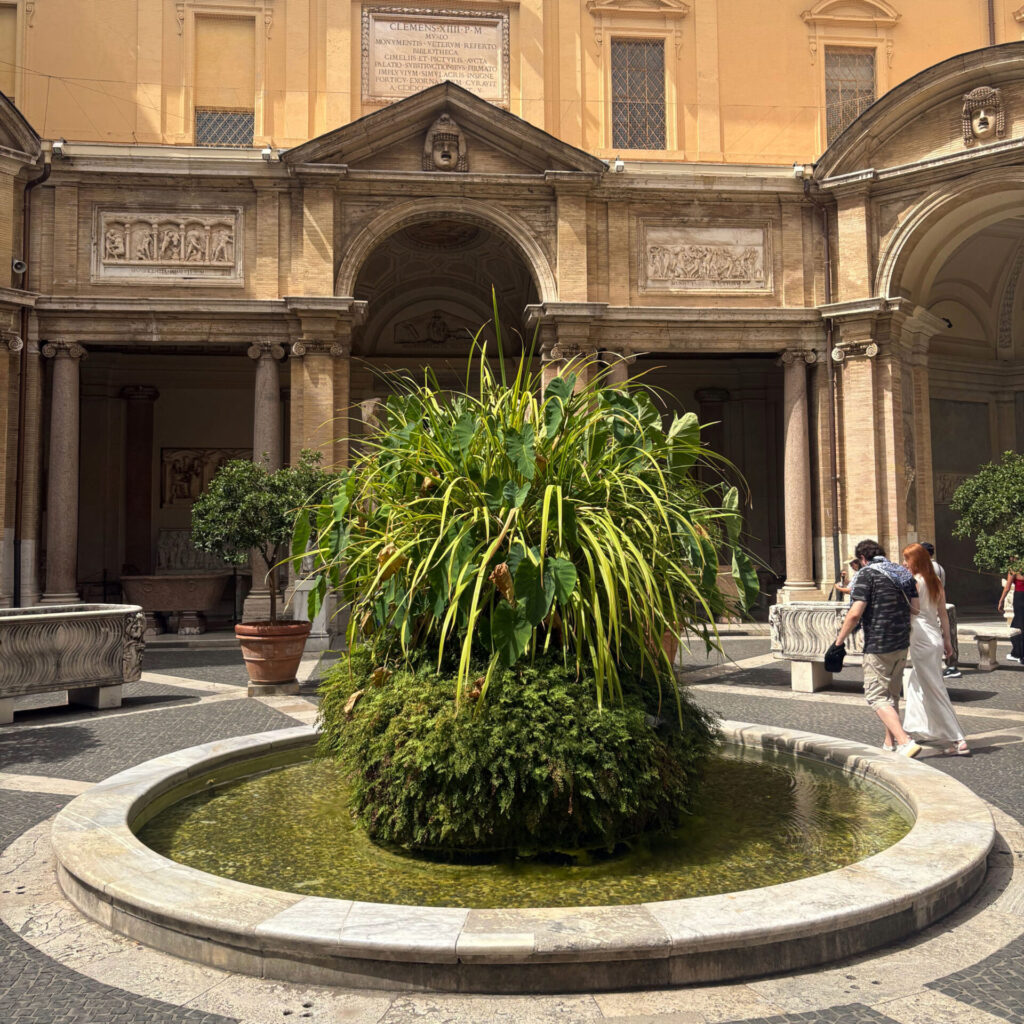
We had to venture to Borgo Pio for our private tour. We were then escorted by a tour guide to a different entrance. The walk lasted about 15 minutes in total, and we skipped the entire queue. For €28.50, this was more than worth the money. To get into the Vatican, we needed to go through a metal detector and place our luggage in trays, similar to an airport. Once through, the guide then handed us earpieces so we could listen to her commentary.
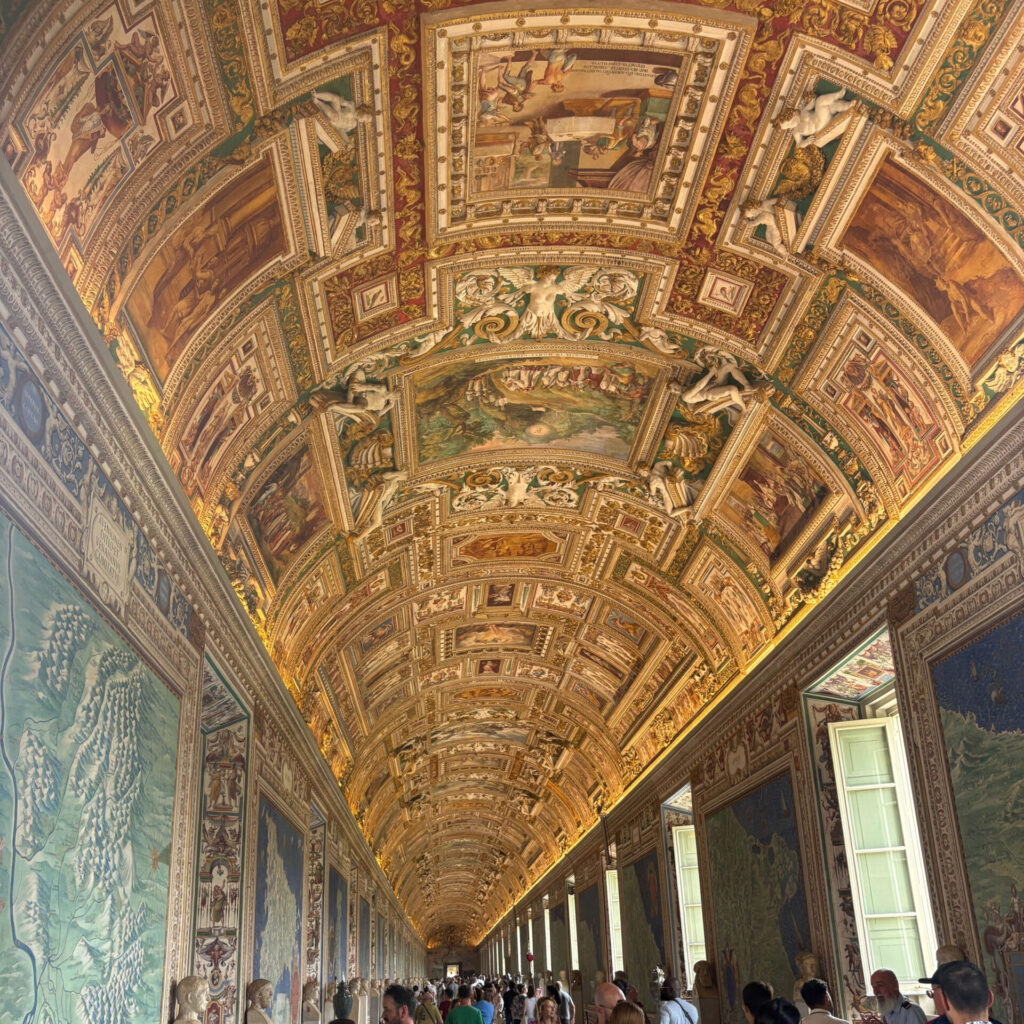
Highlights of the Vatican City
- St Peter’s Basilica (Basilica di San Pietro) – The world’s largest church and home to Michelangelo’s Pietà, Bernini’s Baldacchino, and the Papal Tombs. You can also climb the steps to the top of the dome (Cupola) for views over St. Peter’s Square.
- The Vatican Museums (Musei Vaticani) – Walk through miles of papal art galleries with Hellenistic sculptures like Laocoön and His Sons, the Gallery of Maps, and the Renaissance frescoes inside the Raphael Rooms (Stanze di Raffaello).
- The Sistine Chapel (Cappella Sistina) – This is the room that requires visitors to cover up and be silent when inside. It features Michelangelo’s legendary ceiling frescoes like The Creation of Adam and his altarpiece mural The Last Judgment inside the Pope’s private chapel.
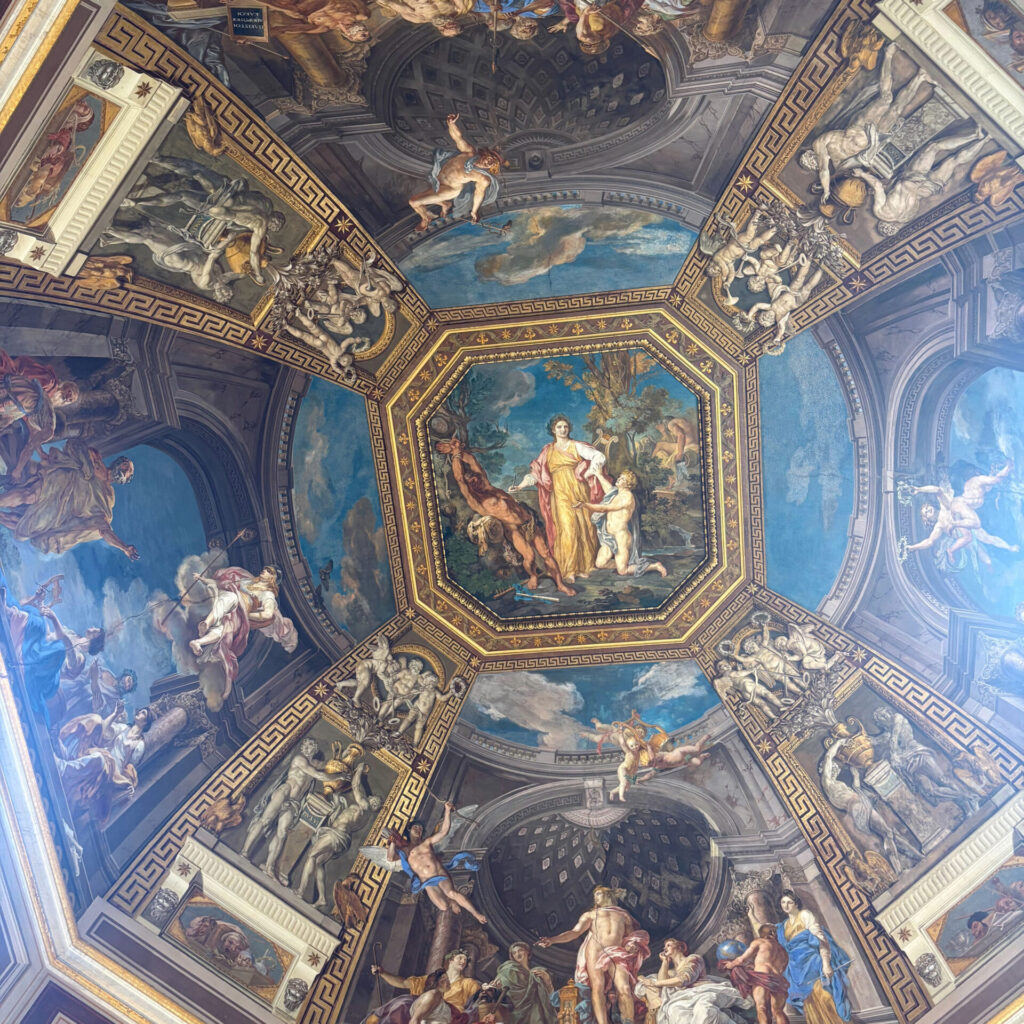
Important note: We were able to visit the Vatican with shorts just above the knee. Shoulders had to be covered. Tattoos are okay, but these can’t be offensive in nature or associated with religion. With our ticket, a passport was not needed.
Wine Tasting Tour in Trastevere
Southwest of Rome’s historic centre, across the Tiber River, is arguably the best place for food in the city, Trastevere. It’s easily accessible on foot by walking across the Ponte Sisto or Ponte Cestio bridges. The entire area is bohemian and romantic, filled with artwork and old architecture.
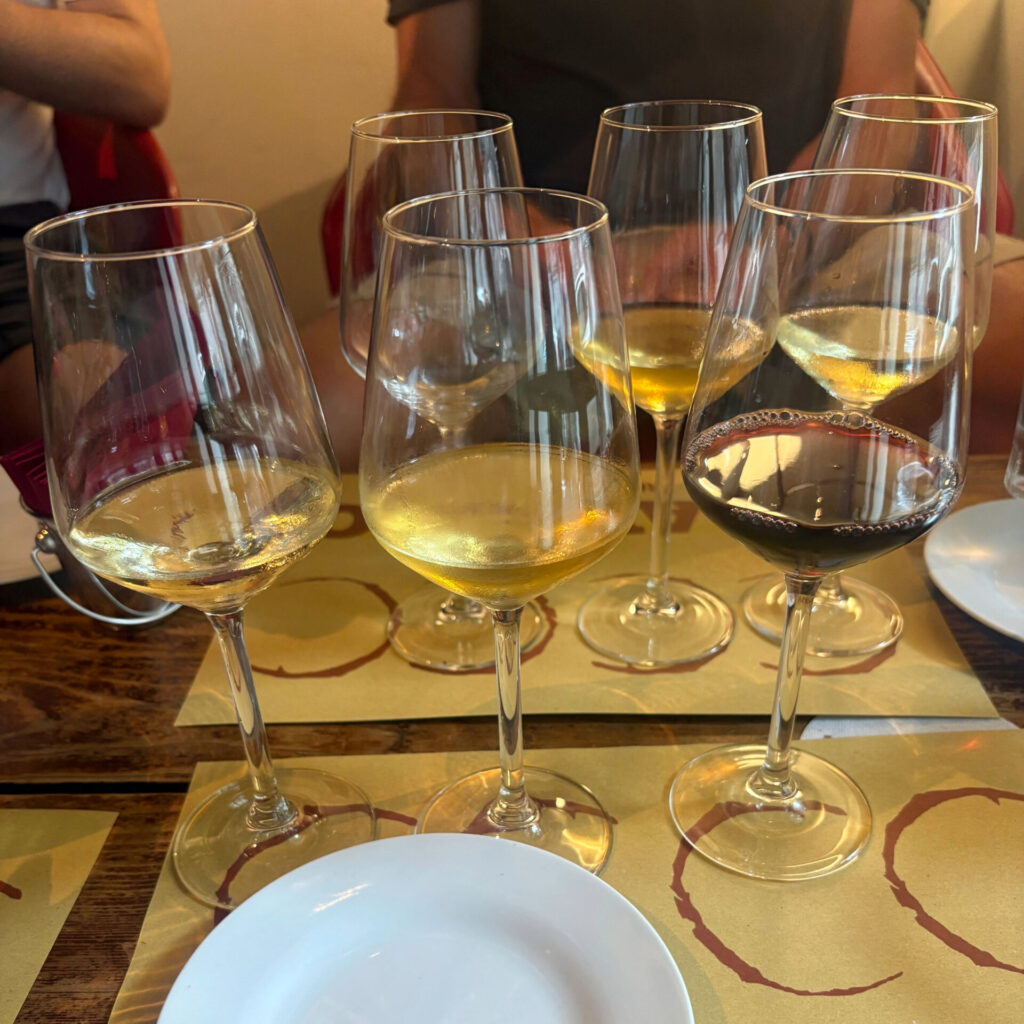
We booked a wine tour in the region, which turned into a private tour since we were the only people who chose that specific time. Never have we had such amazing wine, with everything perfectly selected by our guide Alessandro. The venues we were taken to and the wine list for each included:
- Bar Bistro da Etta – Pungirosa Rosé (rosé wine)
- Vanda – Trento DOC Maximum Chardonnay (sparkling white wine) / Barolo Nebbiolo (red wine)
- La Veneria Trapizzino – Tenuta al Campo (sparkling) / Spoglia (white) / Collepazo (red).
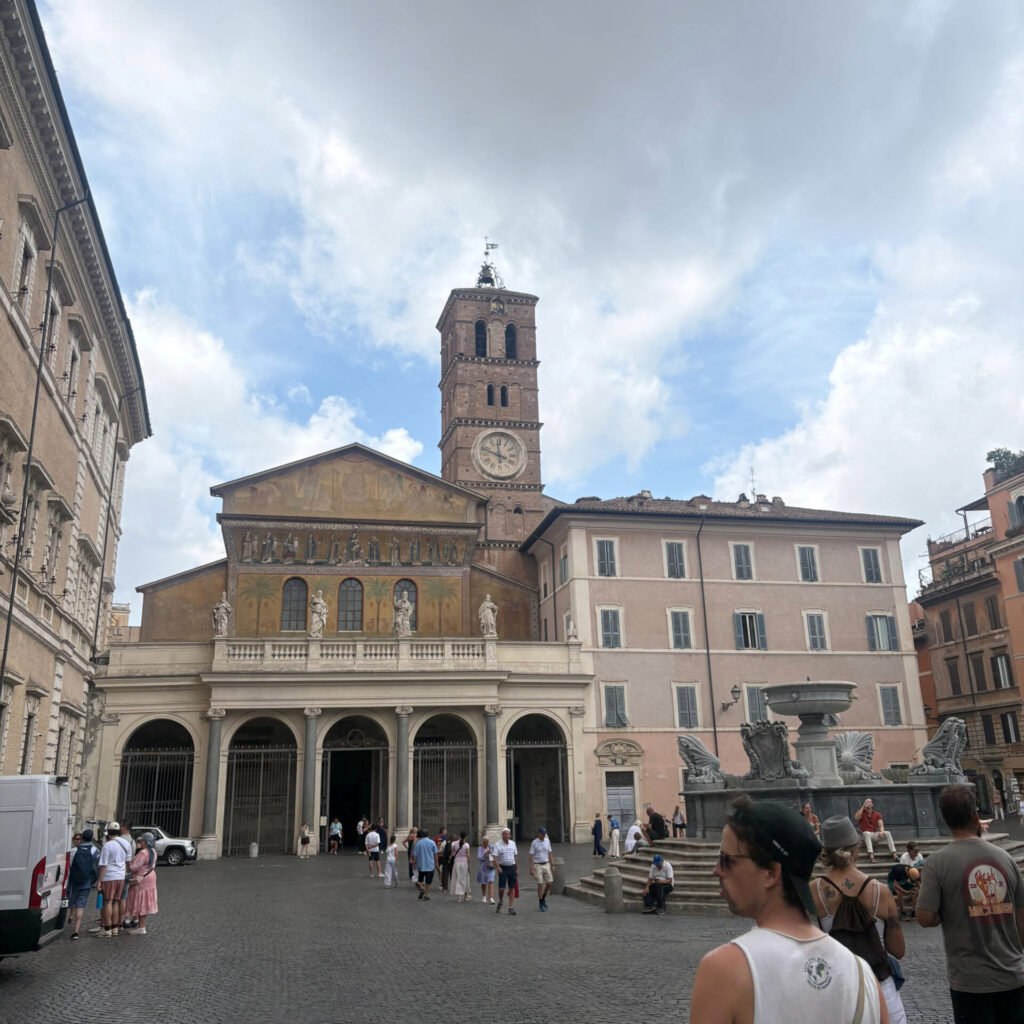
The trip also included a visit inside the Basilica of Santa Maria in Trastevere. This is one of the oldest churches in Rome and was the first officially dedicated to the Virgin Mary. The 12th-century gold mosaics, the 22 granite columns, and the carved wooden ceiling were all a sight to behold. Generally, the church is free to visit daily from 7:30 am to 9:00 pm.
During our final meal in the area, we witnessed a huge crowd of people singing along to Sarà perché ti amo before finding a jazz group playing on the nearby bridge. It was the perfect end to the holiday and made Rome feel all the more magical. Aim to arrive here after 8:00 pm on a weekend during the summer if you want to experience Trastevere in all its glory.
Day Trip to Santa Marinella from Rome
Getting the Train Roma Termini to Santa Marinella
Rome during the summer can be intense, particularly if you are staying in a hotel or an apartment without a pool. Fortunately, there is a coastal town less than an hour away. We chose to do a day trip to Santa Marinella from Rome on the hottest day of our trip. This is arguably the easiest beach trip from Rome by train, with frequent regional trains from Roma Termini, Trastevere, and Roma San Pietro.
We chose to depart from Roma Termini and bought our tickets at the self-service ticket machines on the ground-floor concourse. A return ticket costs around €10 per person. You can also book your tickets online and validate them via your phone. The train to Santa Marinella left from Platform 29, which we didn’t realise is a good 10-15 minutes’ walk from the gates. Bear this in mind when planning your trip; otherwise, you’ll have to wait for the next train as we did.
You need to scan your tickets through the green entry gates at the main headhouse and then turn right until you reach the end of the station and go straight on. Once you reach the end of platform 24, turn right, and you’ll see platforms 25-29. Platform 29 is the one furthest to the right. Before getting on the train, ensure you validate your paper tickets on the reverse side using the green machines on the platform edge. These will stamp the tickets and print the station name and date. Failure to do this can lead to a fine if caught by the conductor, so give yourself enough time to do this.
The train we got on was a first for us – a double-decker train with seating both upstairs and downstairs. The journey took us around 55 minutes in total.
What to Do in Santa Marinella
From Santa Marinella train station, you need to go straight down the hill and turn right slightly, and you’ll come across the beach in as little as 5-10 minutes. There are hundreds of rental sunbeds and public sand zones to choose from, and a few small cafes and beach bars.
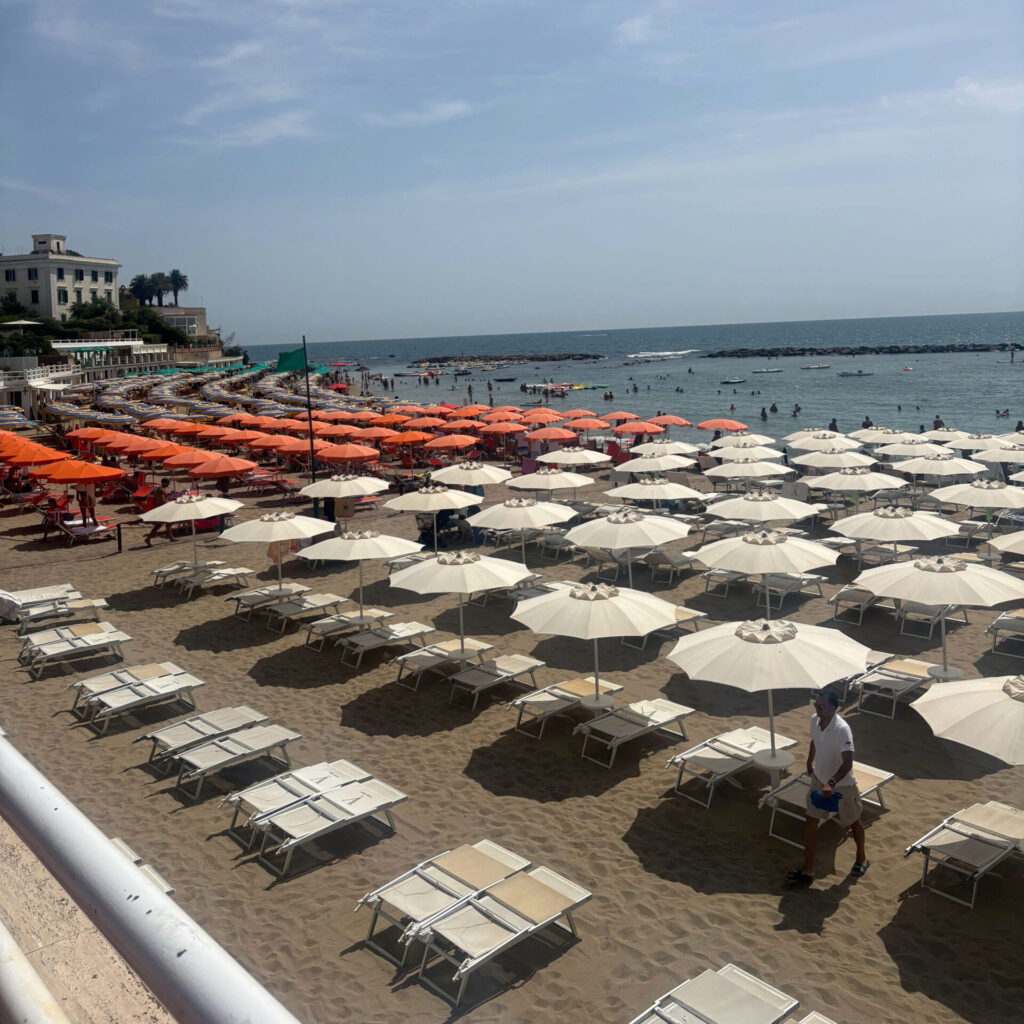
Top Tip: Avoid walking too far to the right of here; there isn’t much going on past that point, even towards the town centre, and some of the venues are overpriced. For a small beer, we ended up paying €10.
Should you want a substantial meal at a reasonable price, we’d recommend turning left from the station and following the road to a charming piazza packed with local eateries. We chose to eat at Il Borghetto before taking a short stroll down to the marina. You can also see the Castello Odescalchi from here. After a relaxing afternoon by the Tyrrhenian Sea, we headed back to the station for the return ride to Rome. You can hop on any of the trains back with your ticket. Again, just make sure to validate your ticket.
Roma Termini
Rome’s main train and metro station is so big, you could easily spend a day exploring it. Inside, you’ll find countless luxury and well-known brands to do some retail therapy. These range from Mango to Uniqlo and Primadonna. You’ll also find a variety of places to eat in the Terrazza Tèrmini, including Trapizzino and Luciano Savini.
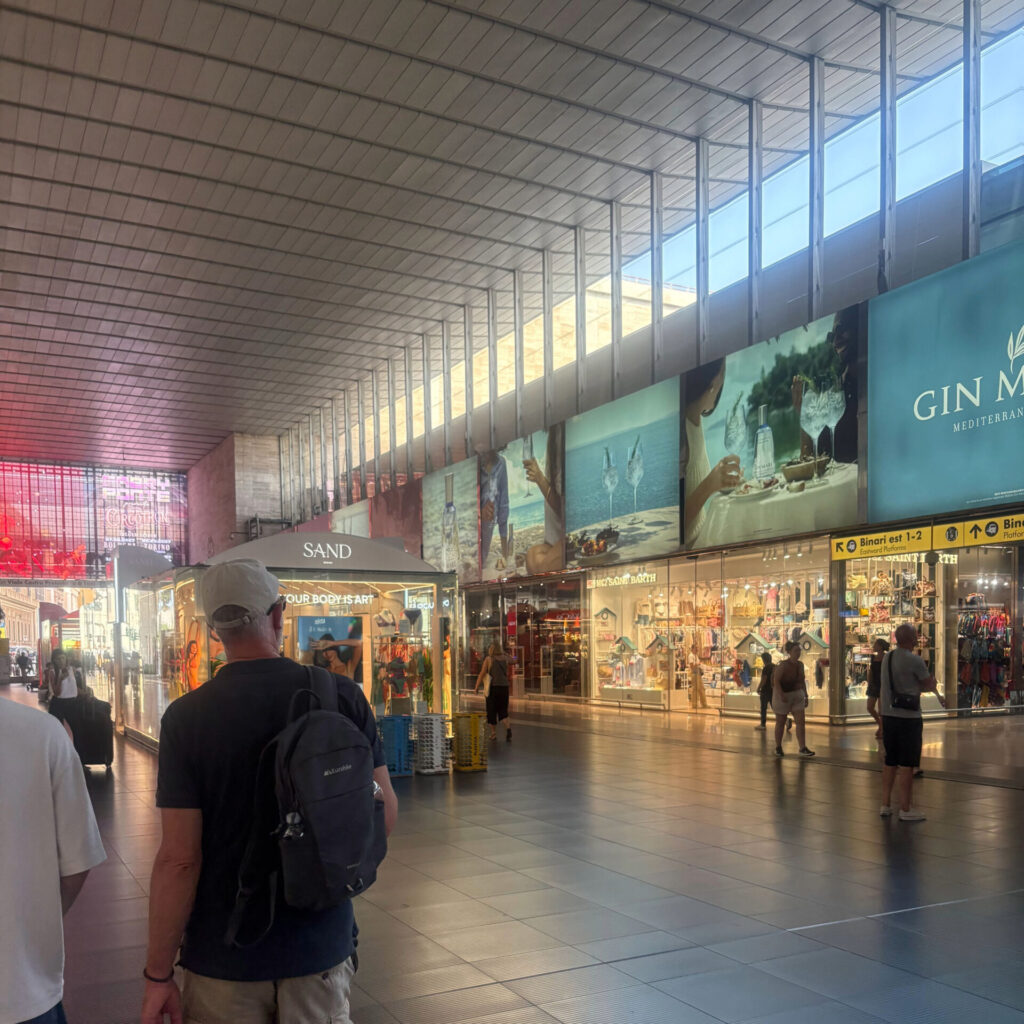
You’ll even find pieces of Rome’s ancient city defence walls in the lower-level underground shopping arcade section. The Ancient Servian Wall Ruins sit near the entrance platforms.
Villa Borghese and Bio Parco di Roma
Villa Borghese
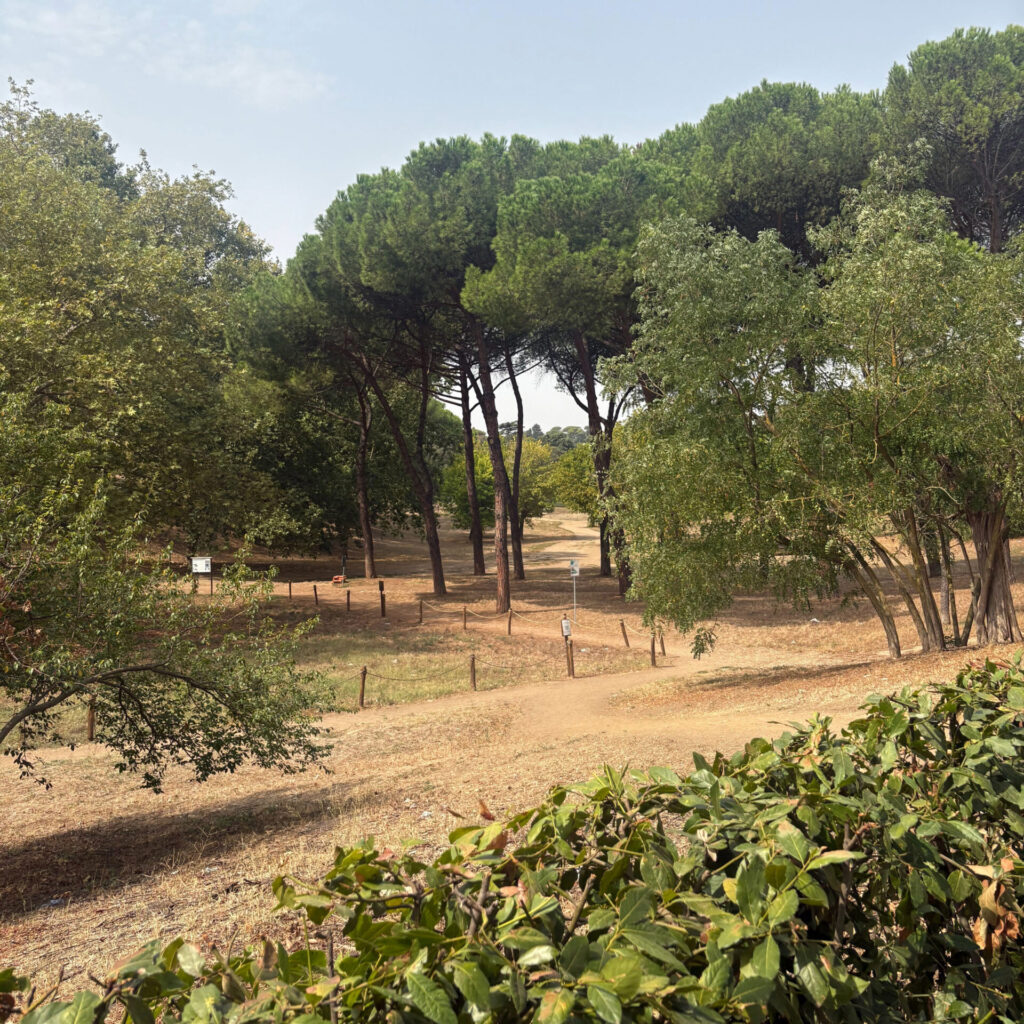
A beautiful escape from the busy city landscape, Villa Borghese features more than 80 hectares of parkland in the Pinciano district. Here, you’ll find nature trails and lake rowing, and plenty of families passing you by on four-wheel tandem bicycles.
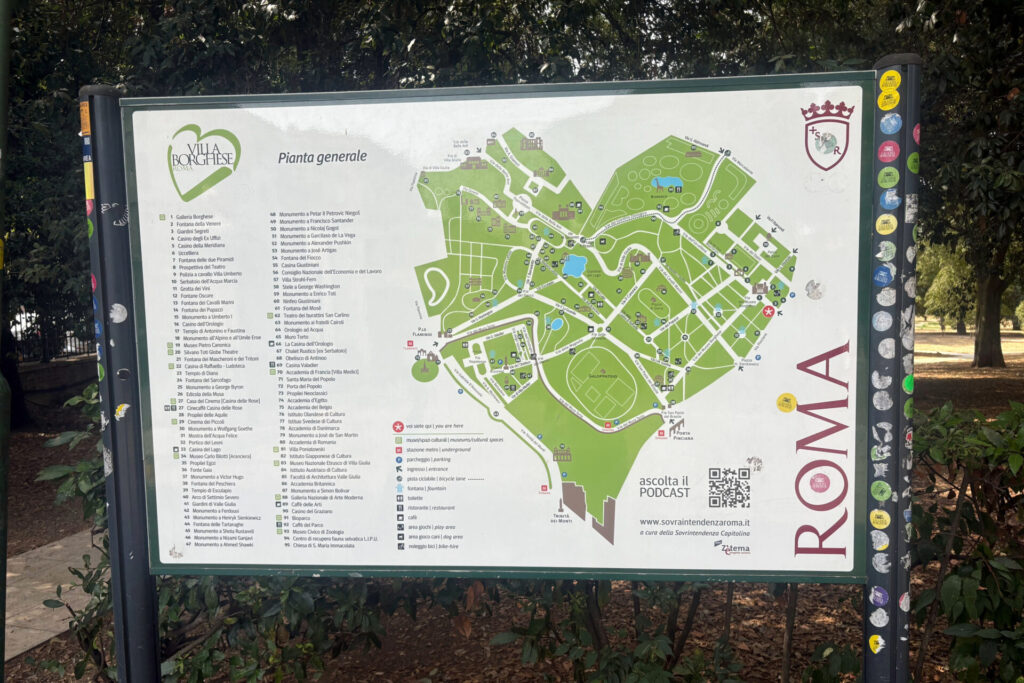
The star of the show here is the Borghese Gallery. It is one of the leading premier art galleries in the world. Inside Scipione Borghese’s 17th-century villa, there are masterpieces by Bernini (Apollo and Daphne, David), Caravaggio, and Canova.
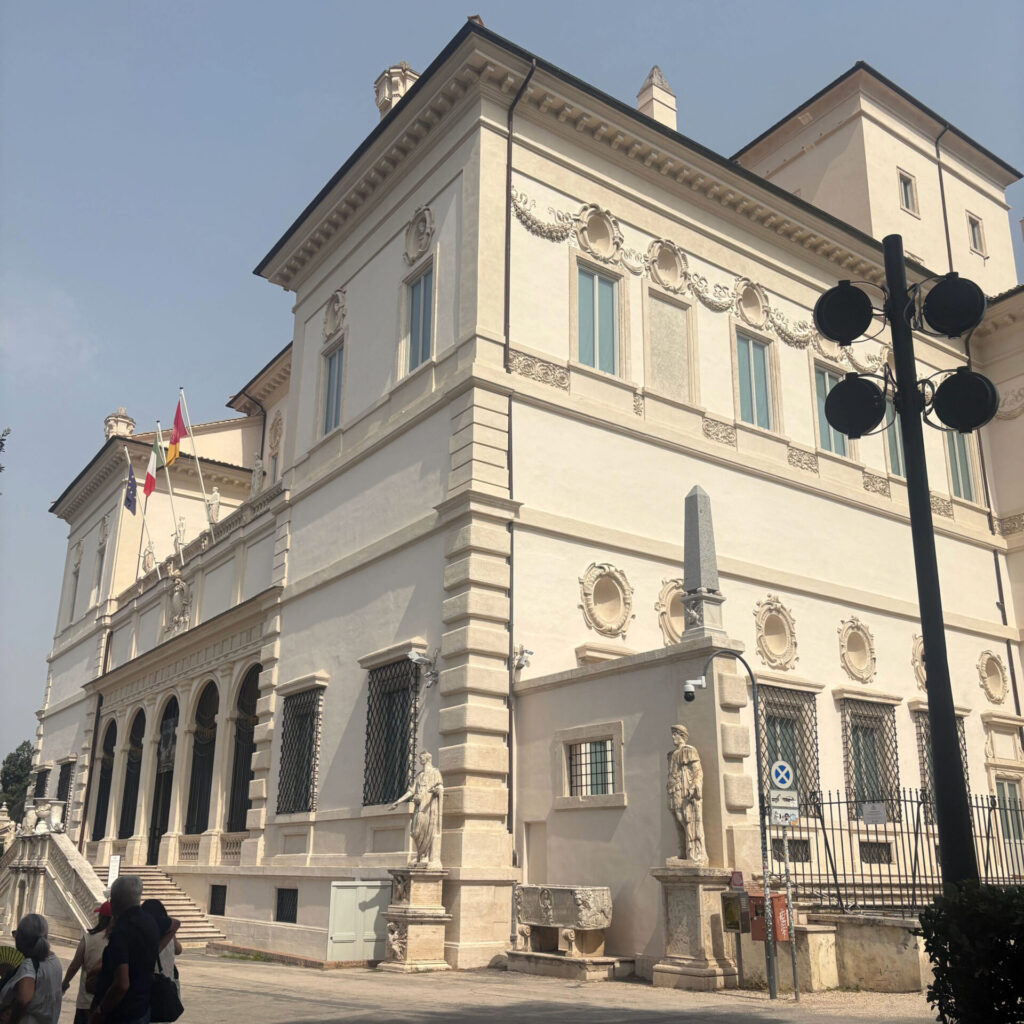
Tickets for the gallery are around €16 plus a €2 reservation fee. There is a reduced price for those aged 18-25 and free entry for under 18s, bar the reservation fee. Reservations are mandatory for everyone and limited to two-hour time slots with limited availability. Aim to book your tickets at least a few days in advance to avoid disappointment.
Bio Parco di Roma
Towards the northern corner of the park, there’s also Italy’s oldest zoological garden. The conservation-focused biopark contains more than 1000 animals and 200 species. We didn’t even know this place existed until we explored the park and were pleasantly surprised.
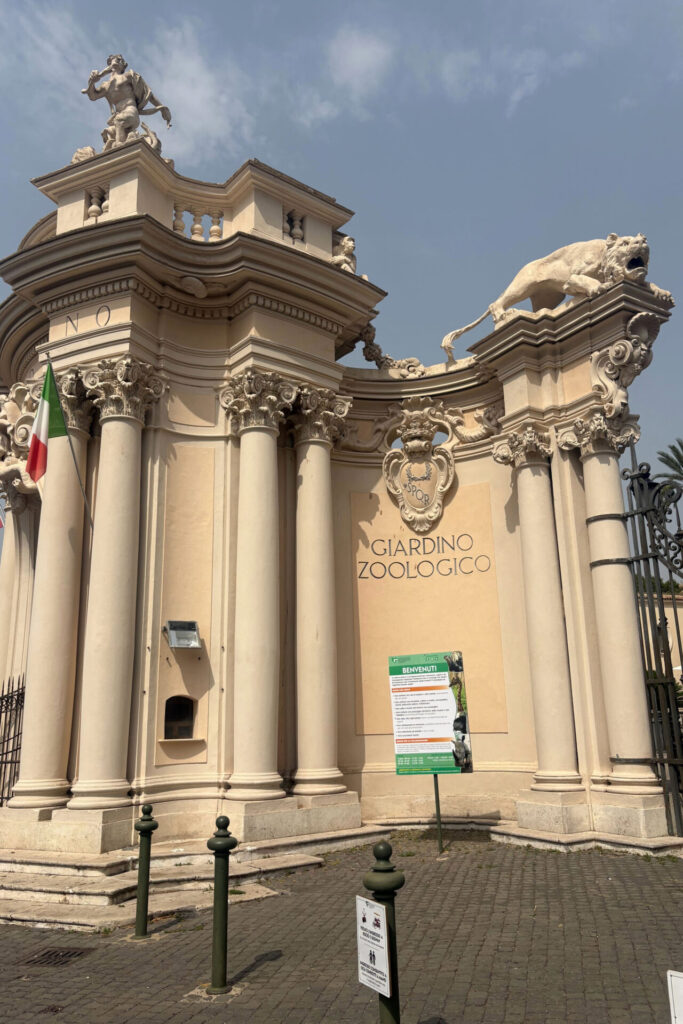
The zoo is huge in size and features animals like Sumatran tigers, giraffes, elephants, and a Reptile House. The latter was our favourite and is longer than you’d think. You’ll pass through enclosures of giant tortoises, snakes, lizards, and an open-air bridge section with crocodiles and alligators.
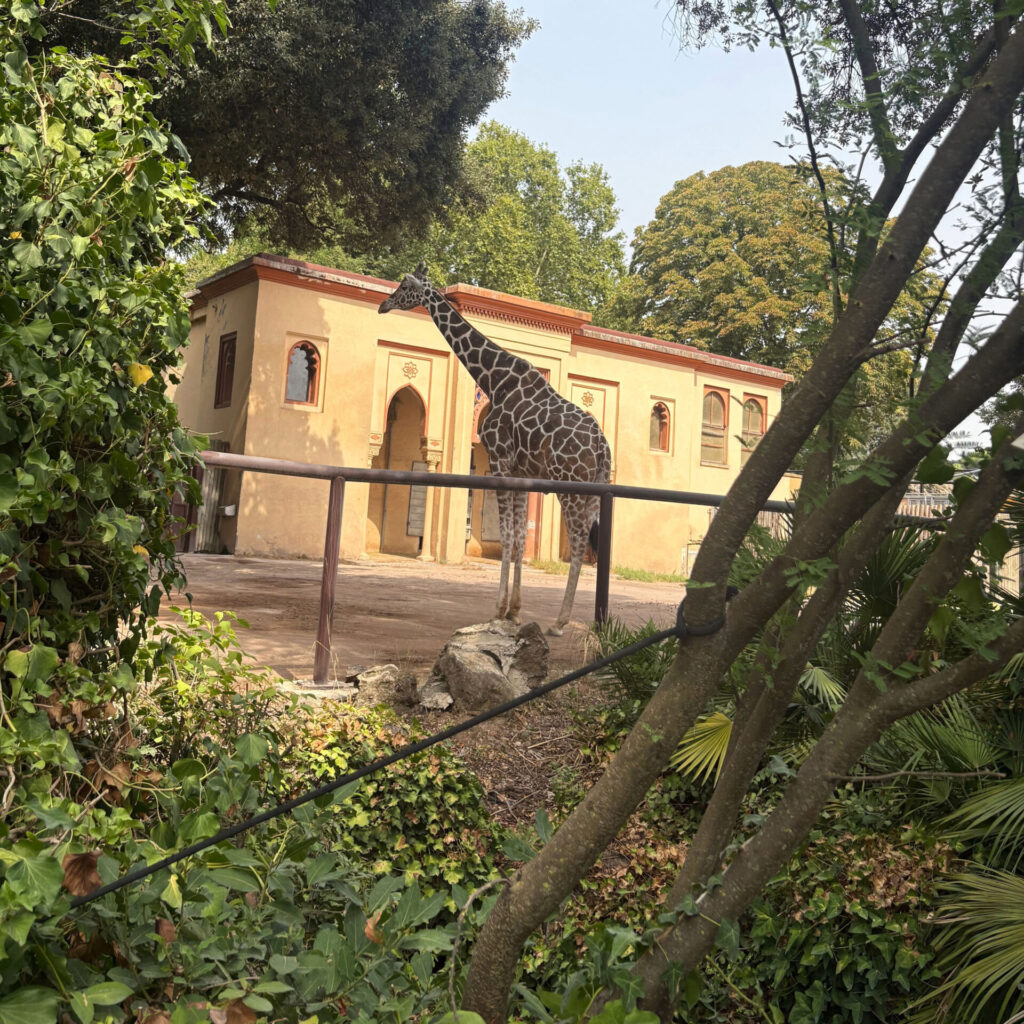
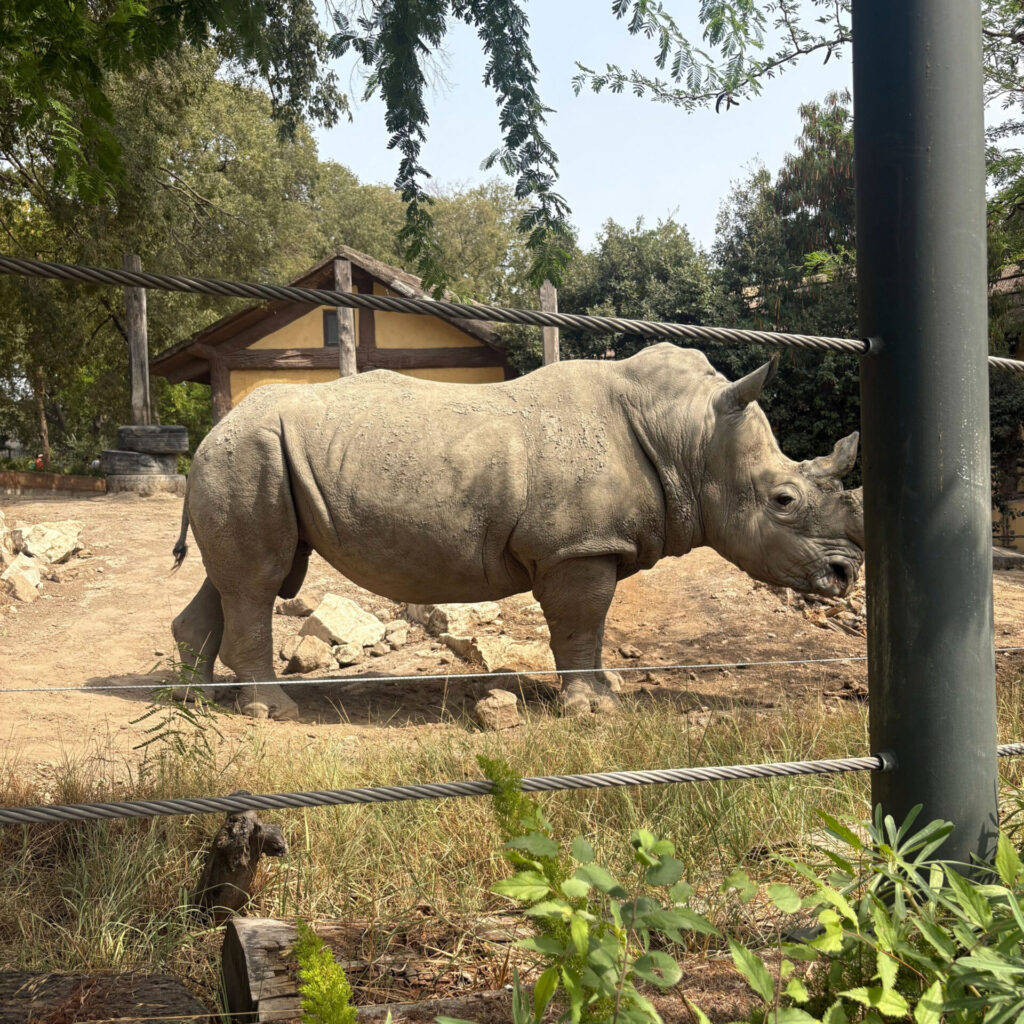
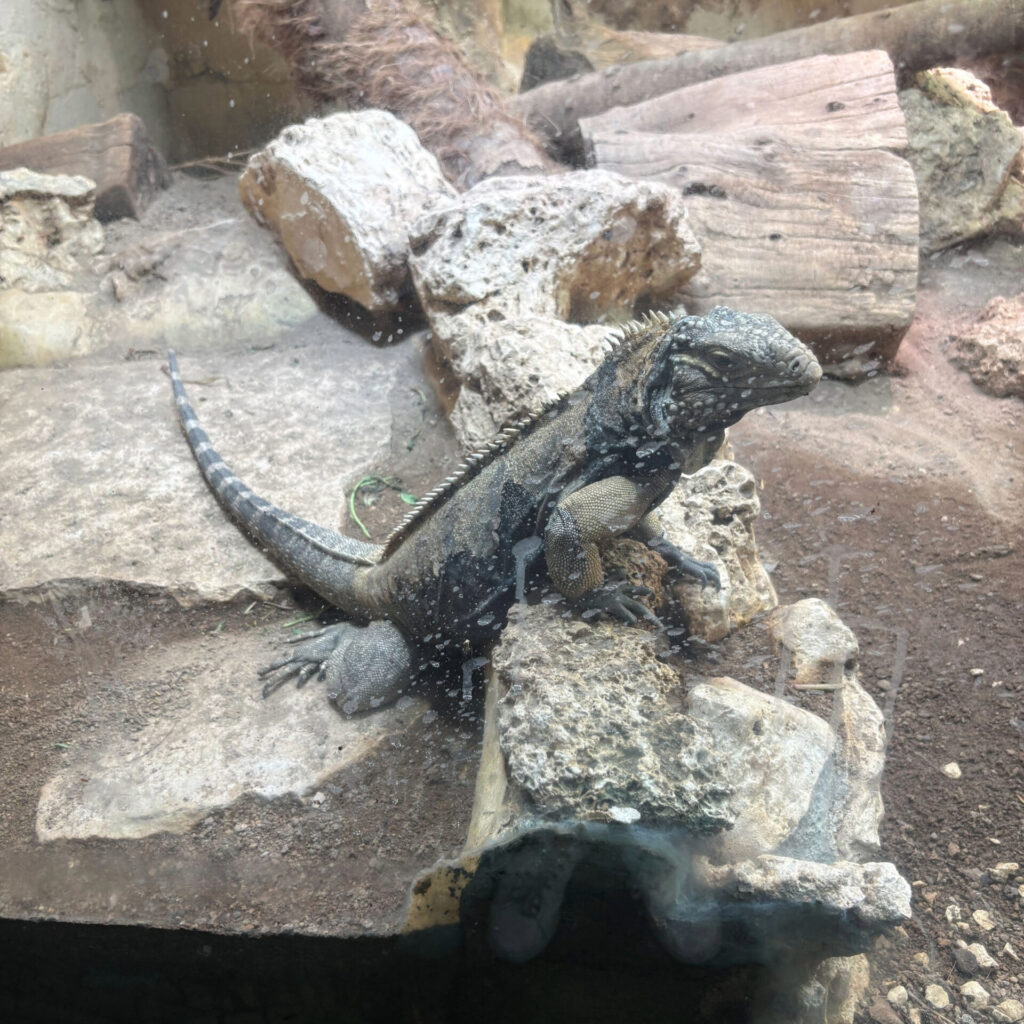
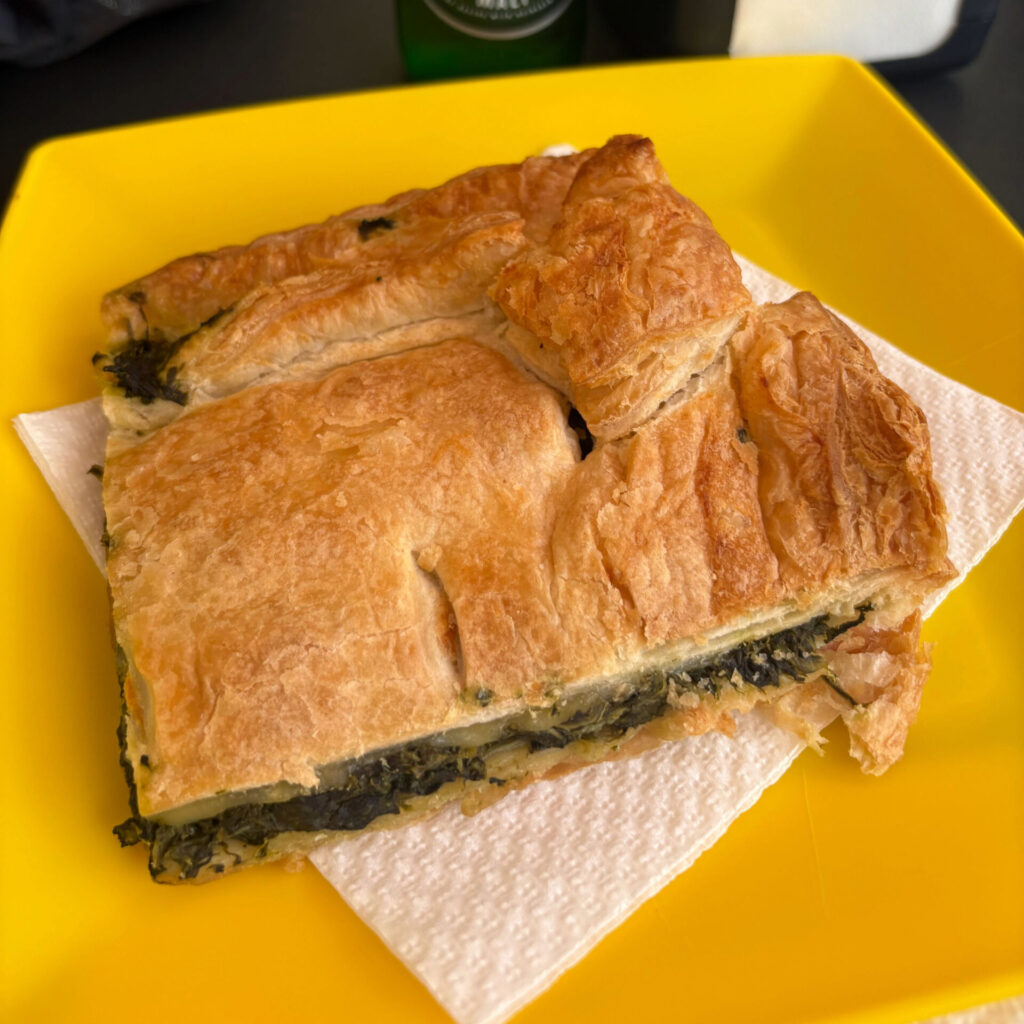
It took us around 3 hours to properly explore the park. There’s a cafe by the entrance, too, where we enjoyed a spinach and mozzarella tart with a beer.
Tickets for the Rome Zoo cost €19.00 for a standard adult, €14 for children over 1 metre tall and up to 10 years old, and free for children under 1 metre. A €9.00 last-minute ticket is available two hours before the zoo closes, but some exhibits may close during this time.
FAQs & Tips for First-Timers in Rome
Should I Take a Water Bottle to Rome?
Yes, a plastic bottle that you can scrunch up in a small rucksack is ideal. There are water fountains with fresh and chilled water scattered through the city. These look like small, brown cylinders with a spout at the bottom, with a constant trickle of water. Avoid any major fountains. Anything that says ‘Non Potabile’ means the water isn’t safe for consumption.
Is Rome Safe?
Yes, as long as you take the right precautionary steps. We’d heard horror stories of pickpockets before our trip, but we found the city to be quite safe. Like with any major city, you should secure your belongings.
We used waist bags and fanny packs to keep our wallets, phones, and other valuables safe. We kept these across our chests and in sight. When taking pictures or using your phone in public, a retractable anti-theft phone tether or an anchor tab with an extension is ideal. Also, when eating out in restaurants or bars, avoid leaving your belongings on tables or hung on chairs.
In busy areas, like the Trevi Fountain and the Pantheon, you may come across people trying to sell you things. Be firm and say no, or don’t even look in their direction. Showing interest can cause them to be more persistent or come closer. Don’t worry about coming across as rude; simply proceed with going about your day. The same goes for the Hop-on, Hop-off bus ticket sellers, whom you’ll come across plenty of times during your trip.
Should I Buy Tickets for the Attractions in Rome?
Yes, this is important to avoid long lines and ensure availability. Fast-track tickets were only slightly more expensive, and we skipped queues that were more than an hour long. For attractions like the Pantheon and the Vatican City, this meant we didn’t need to stand in the searing heat for too long or waste our day in lines.
Book your tickets using trusted providers online and avoid anyone selling tickets directly outside the landmarks.
Do I Need to Take My Passport Around with Me in Rome?
Yes, you should take your passport with you when you are walking around Rome. Carabinieri or state police have the right to ask you for your passport at any given time. While most online outlets and blogs will say a driving license or photo of your passport is fine, this is only at the discretion of the officer.
We always carried our passports around with us during the day and for our evening meals in a secure fanny pack. We were never stopped during our time or saw anyone get stopped, but that’s not to say it doesn’t happen. If you cannot supply a physical passport, you could receive a heavy fine or be detained, so it’s not worth risking it.
Is There a Tourist Tax in Rome?
Yes, there is a tourist tax for visitors in Rome. You will usually pay this to your accommodation provider along with your passports. The fee ranges from €3 to €10 per person, per night, depending on your accommodation type and star rating, and is typically charged for up to 10 consecutive nights. Children under the age of 10 are exempt.
Tax Rates Per Person, Per Night:
- 5-star hotels: €10:00
- 4-star hotels: €7.50
- 3-star hotels: €6.00
- 2-star hotels: €5.00
- 1-star hotels: €4.00
- B&Bs, holiday homes, and short-term rental properties: €6.00
- Hostels: €3.50
- Campsites: €3.00
How Do I Dress for Religious Landmarks in Rome?
We found the rules for dressing appropriately for sites like the Vatican and the Pantheon to be more relaxed than expected. We packed trousers to change into for the Vatican but were told this wasn’t necessary. As long as your shorts sit around the knee level or slightly above, this should be fine. Make sure to cover your shoulders, though. This is important, especially in the Sistine Chapel. A scarf or throw is usually sufficient. Hats are sometimes allowed, but it is best to take them off when you’re inside any buildings just in case. Tattoos are okay so long as they aren’t offensive, inappropriate, or religious in some form.
How Many Days Do I Need in Rome?
We’d recommend four days minimum in Rome to give yourself enough time to see everything. You’ll be doing a lot of walking, so avoid over-exerting yourself with too much each day. We stayed here for a week and still struggled to find the time to fit in everything we wanted to. The temperature did make this more difficult, though.
Is Rome a Walkable City?
Yes, and expect to cover several miles each day. A pair of comfortable shoes is a must; otherwise, you’ll be left with painful blisters. You might be able to get away with sandals on an evening, depending on how far away your chosen restaurant is located.
How Do I Get from Fiumicino Airport to the City Centre?
You can take the Leonardo Express train or one of the shuttle buses to the city centre and vice versa. This can be complicated for first-timers to Rome, which is why we’d recommend pre-booking a taxi.
Is Tipping Expected in Rome?
No, tipping is not mandatory or percentage-based, but a small tip for good service is appreciated. The service charge in some restaurants is separate and is not counted as a tip. Many places add this on to cover bread and place setting, or it is only applied to large groups. If you wish to leave a tip, add this on after you’ve received your bill, preferably in cash.
Do I Need to Take Cash to Rome?
Yes, some places in Rome will only accept cash as a form of payment (even if they are required to accept card). Many places appreciate payment in cash rather than card also, and you’ll often hear them say ‘Cash is king’. The majority of places will accept card or contactless payments, though, just be sure to ask first.