
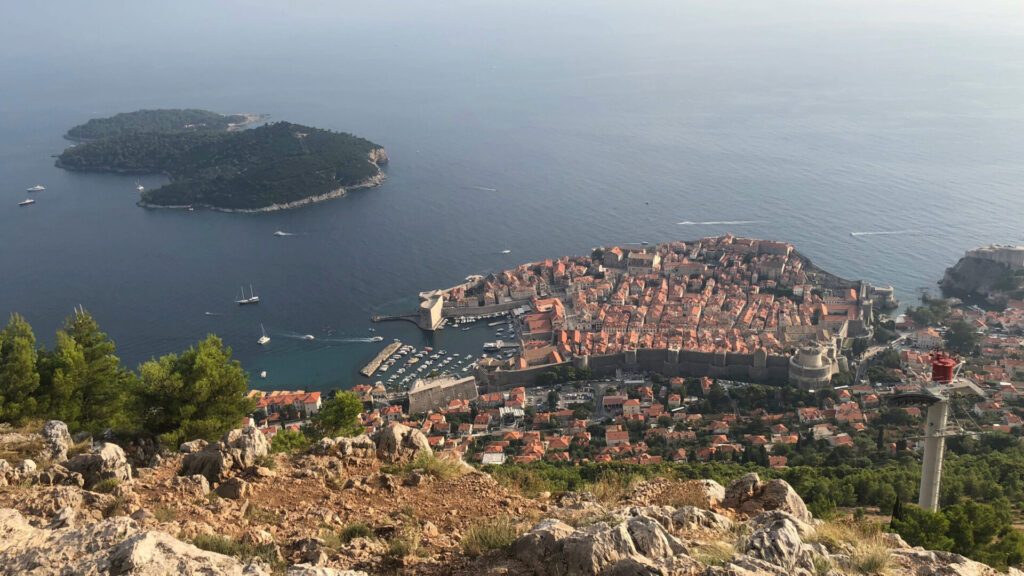
Croatia has quickly become a go-to holiday hotspot for Brits in the last decade, with top picks including Split and Zagreb. However, many overlook what we believe to be the most beautiful and luxurious place in the country, Dubrovnik.
With its unique stone-walled city and golden coastline, it’s everything you’d want from both a city break and a beach holiday. In our guide, we delve into everything you need to know about Dubrovnik, from where to stay to what to do. Whether you’re staying for a few days or a week, read our expert travel tips to ensure you organise your trip with utmost confidence.
How do you get to Dubrovnik?
There are various direct flights to Dubrovnik from the UK during the months of May through October. These often take around 2.5 to 3 hours depending on the airport. British Airways is a popular option for those travelling from London Heathrow (LHR). London Gatwick (LGW) is the go-to for premium services such as business class.
EasyJet, Ryanair, and Jet2 offer the widest regional coverage. They includes including airports like Manchester (MAN), Leeds Bradford (LBA), Birmingham (BHX), Newcastle (NCL), and East Midlands (EMA), with a range of package holidays and affordable deals. If you decide to travel during the winter months, you may need to fly into Zagreb. Or, you can take an indirect flight via another European hub like Munich or Frankfurt.
How do you get to and from the airport in Dubrovnik?
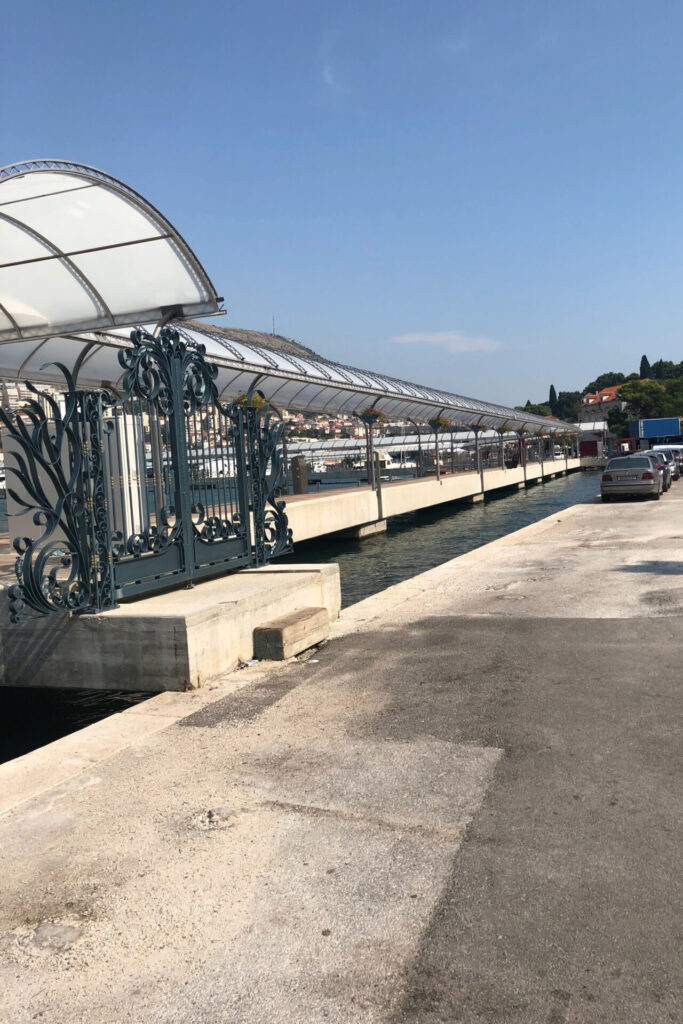
Dubrovnik Airport (DBV) is only roughly 12.5 miles from the city centre, taking about a 20-minute drive. You can board the Platanus Shuttle Bus, which costs €10 for a single ticket or €14 for a return. Services run every 30 minutes or so, and stops by the Old Town, Ploče Gate, and the Main Bus Station. You can buy your tickets online, at the airport, or from the driver.
Most major airlines will offer transfers in their package holidays. However, you can pre-book a private transfer that will ensure you arrive at your accommodation more efficiently. Welcome Pickups and Hoppa are good options, costing around €40–€55. The driver will meet you inside the airport.
Alternatively, taxis tend to be cheaper at around €25-€35 for providers like Bolt and €40–€60 for the airport taxis. It’s worth noting that Dubrovnik’s Old Town is pedestrianised. Therefore, you’ll likely need to walk some distance to your accommodation after your driver drops you off at the nearest city gate.
Where are the best places stay in Dubrovnik?
Dubrovnik is one of the best places in Europe for a luxurious stay. There are plenty of five-star accommodations with high-end facilities. Your choice will depend on whether you’re looking for a central location to explore the Old Town and the city walls, or if peace and quiet is your priority. Here is a select few of our favourite hotels to spend your time in this amazing city.
Boutique Hotel Stari Grad (Old Town)
Located within the city’s Old Town, the boutique Hotel Stari Grad is one of two hotels where you can stay within the city walls, merely steps away from the Stradun. The property underwent a complete renovation back in 2013 and now features three luxurious suites and 11 guest rooms. Each room comes with efficient air conditioning and a private en suite with a hydromassage shower.
Despite its central location, it’s incredibly peaceful and has top-notch, personalised service. You can even book a relaxing Thai massage or aromatherapy session during your stay. The only thing to note is that there is no elevator due to the building’s UNESCO accreditation. Instead, you will have to take several flights of stairs each day.
The Lobby Bar offers a selection of the finest whiskies from Ireland and Scotland. The rooftop restaurant, Above Five, is recognised by the Michelin Guide. You can expect a five-course menu consisting of dishes like Asparagus and Lobster, Pigeon, Sea Bass, and Signature Sorbet. These all pair well with their wine list.
Hotel Excelsior (Ploče)
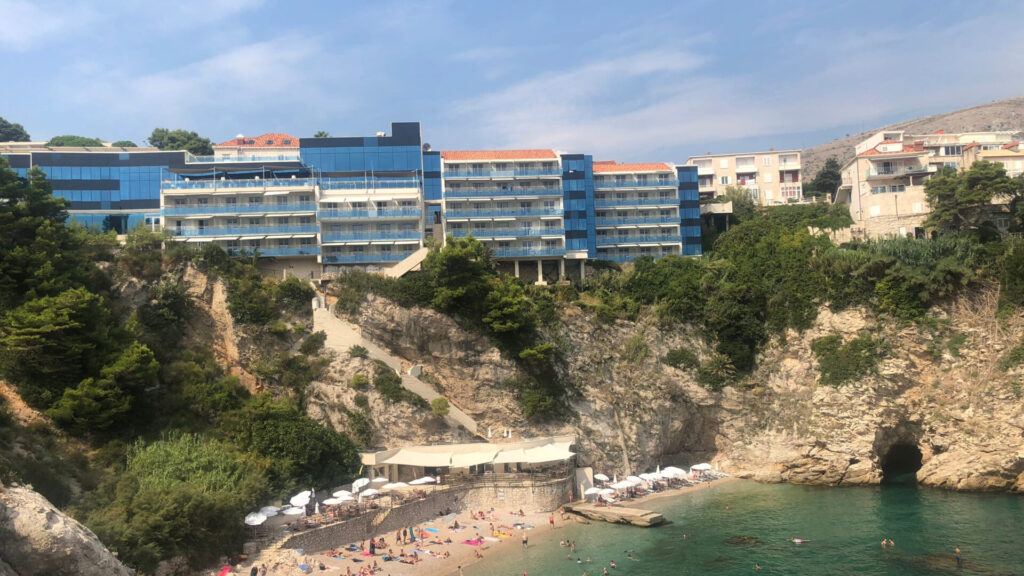
The Hotel Excelsior can be found in Dubrovnik’s upmarket area of Ploče. It is one of the most iconic hotels in the city, once hosting celebrities and royalty alike (including Queen Elizabeth II). Its prime location boasts views of the Adriatic, and guests have private access to the stone beach and saltwater pool.
The 5-star hotel features interior styling by Franić-Šekoranja studio, with bright colours and velvet furnishings. You can choose between 158 rooms across nine floors. The hotel is split into two wings. Villa Odak is set in the original 1913 building with a traditional aesthetic and high ceilings. The other, The Tower, is more modern. It features floor-to-ceiling windows and panoramic views of the sea.
You can choose between its three restaurants, including the beachside seafood establishment Prora, fine-dining bistro Sensus, and the Abakus Piano Bar. Many consider the latter the best place in Dubrovnik to watch the sunset with a glass of Grgić Pošip white wine in hand. If this isn’t enough, there is an 850m2 luxury spa pool, two hot tubs, and a sauna.
Hotel Dubrovnik Palace (Lapad)
Found just on the Lapad Peninsula, the Hotel Dubrovnik Palace is a welcome escape from the bustle of the centre. The rooms come with a private balcony with views of the Adriatic Sea and Elafiti Islands, as well as an outdoor infinity pool, and VIP service. Nearby, you’ll also find the Velika and Mala Petka Forest Park. Here, you can take a romantic stroll to the Romantic Seaview Point.
If you fancy some adventure during your stay, the hotel is home to a top-tier scuba diving centre, a PADI diving centre, and a tennis court. Or, you can simply relax in its award-winning spa centre, the Energy Clinic Wellness & Spa.
The restaurants here perfectly encapsulate the hotel’s cliffside setting. Maslina Tavern serves authentic Dalmatian cuisine from Ston Oysters to Lobster Pappardelle and their signature Fisherman’s Pot. This is a sharing dish of prawns, shellfish, and lobster, cooked in white wine and herbs.
Additionally, Lean & Light is found on the top floor. The restaurant serves a range of healthy dishes, including raw food, vegetarian quesadillas, cod fillets, and light salads. You’ll often have breakfast in the Elafiti Restaurant, which offers made-to-order omelettes, Dalmatian cured meats, local pastries, and cheese (such as Paški sir and Dalmatinac).
Hilton Imperial Dubrovnik (Pile)
In the main entrance on the west of the Old Town in Pile, the Hilton Imperial Dubrovnik is directly by the pedestrian-only zone and the city’s transport links. It opened back in 1897 and still retains its 19th-century charm, along with high-end comforts that you’d expect from the Hilton brand.
It’s the ideal location to explore the city walls before heading back to the hotel to wander through the Mediterranean gardens or swim in the indoor pool. It features a glass roof, so you can swim under the sun or stars.
The Imperial Terrace is the hotel’s main restaurant. It serves up a range of Mediterranean dishes like Adriatic Octopus Salad and Dalmatian Lamb Shank Confit, alongside views of the Lovrijenac Fortress and Old Town. There’s also The Imperial Bar, which is famous in Dubrovnik for its bespoke gin cocktails inspired by Shaw’s Book of Cocktails, including the Imperial Fizz and Milk Punch.
Travellers who book an Executive Room or have Hilton Diamond Status can benefit from exclusive access to the top-floor lounge. Here, you’ll find complimentary breakfast service, afternoon snacks, and evening canapés alongside a beautiful balcony view.
Hotel Kazbek (Lapad)
Hotel Kazbek can be found near the Gruž marina at the inner end of Lapad Bay. While it was originally designed to be a summer house for the Zamanja family, it is now a 5-star boutique hotel. There are 12 double rooms in total, and one suite that offers ultimate privacy in Dubrovnik. Each room contains original stone walls and exposed timber beams that resemble a work of art.
The main features of the hotel include a private courtyard surrounded by orange trees, a heated outdoor pool and jacuzzi, and a private speedboat. Guests can rent this for excursions to the nearby Elaphiti Islands. The indoor dining area is set under a historic stone vault, called The Vaulted Restaurant. The menu comprises a range of Croatian and Mediterranean dishes, such as Istrian “fuži” (a homemade pasta with asparagus, mushrooms, and black truffle), Tune Steak, Bone Broth Soup, and Steak Tartare.
The balcony terrace on the first floor is the best spot for an evening cocktail while watching the boats sail along the Gruž marina.
What are the best things to do in Dubrovnik?
Dubrovnik owes its rich history to a strategic location and merchant activities that date all the way back to the 7th century. As a UNESCO World Heritage Site, you can rest assured that there is plenty to do. We detail exactly what we think you should add to your Dubrovnik itinerary.
Walk the City Walls
Everyone who visits Dubrovnik needs to wander the city walls. It’s one of the main reasons that brought us here to begin with. From the top, you get unbeatable views of the Old Town that are perfect for panoramic photos. The walls are the best way to spend a few hours in the morning while the temperature is cooler.
Aim to arrive at 8 am on the dot in order to beat the crowds. It can get busy here, particularly when the cruise ships arrive at around 10 am. You can also make your way there around two hours before final entry time. This is either 6 pm or 7 pm, depending on the time of year.
There are three main entrances to start your journey, but most choose to begin from the Pile Gate. It does involve a steep climb, though. Additionally, you can enter from the Ploče Gate near the Revelin Fortress the harbour side of the walls, or St. John’s Fortress near the Old Port (which is usually the quietest entrance).
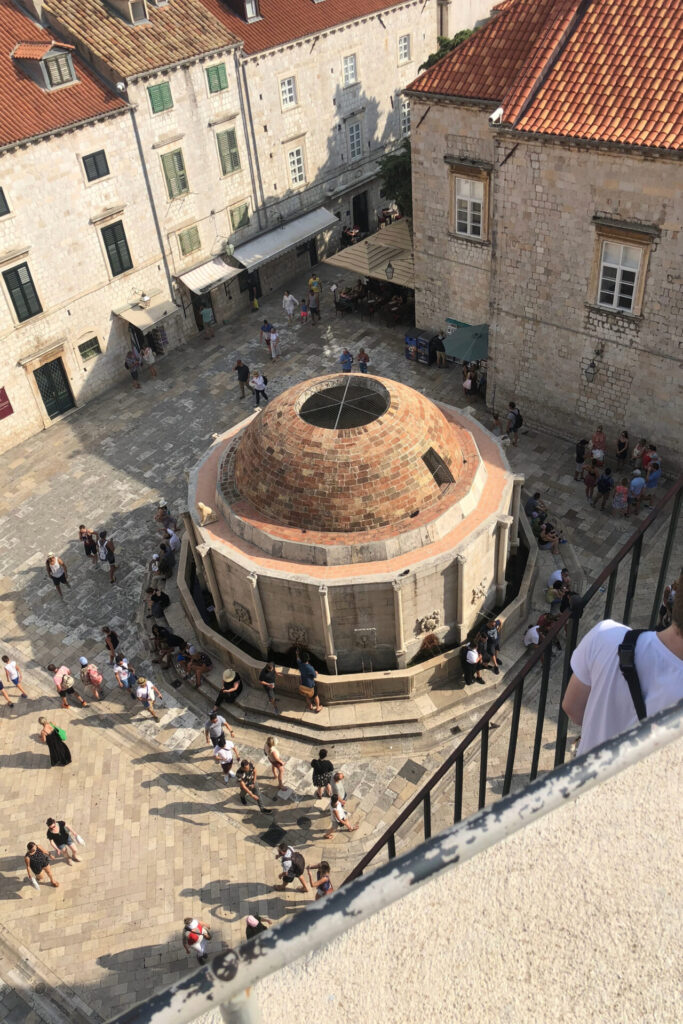
As you walk counter-clockwise around the walls, look out for the highlights. Minčeta Tower is the highest point with stone walls that are six metres thick. It was designed to protect against cannon fire and features the view of the orange roof you’ll see in postcards across the city. Also, look out for the Bokar Fortress. This was once used to protect the Pile gate and the moat, and the Maritime Walls.
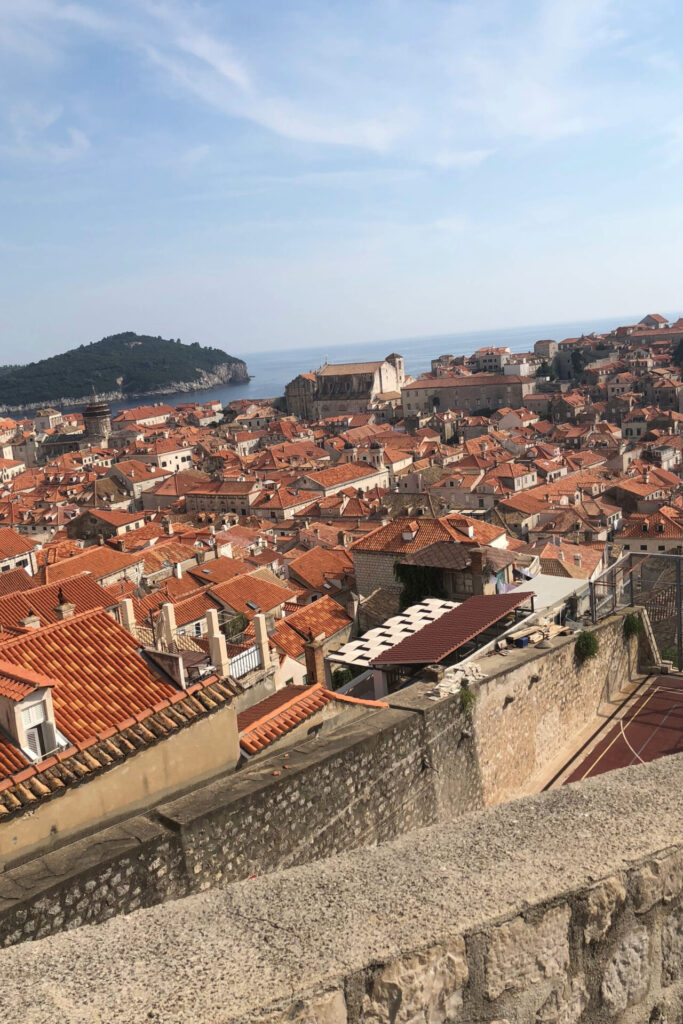
In total, you’ll likely trek up and down 1000 steps, with ascents and descents along the way. It’s not an easy feat, and there’s little to no shade. This is why we recommend going during the afternoon, or on days when the heat is intense. There is a small shop that sells water and orange juice if you do need to stop for a moment, and the occasional toilet along the way.
A ticket for the city walls will set you back about €35. Since the 1-Day Dubrovnik Pass generally costs the same (around €40), we recommend you opt for this. You can then head to the Rector’s Palace, the Maritime Museum, the Ethnographic Museum, the Museum of Modern Art Dubrovnik (MOMAD), and many more, all free of charge.
Ride the Mount Srđ Cable Car
Just outside the Old Town walls, a short walk from the Pile Gate, you’ll likely find a queue of people waiting to get a bird’s eye view of Dubrovnik. The Mount Srđ Cable Car (not included in the Dubrovnik Pass) takes you 405 metres above sea level in just a few minutes. It costs €15 one-way or €27 for a round trip via cash or card. We advise you to pay for a one-way ticket to the top and take the Way of the Cross path back down. This is because the queue can be long and the walk is pleasant, taking only around 45 minutes. It is quite rocky, though, so you will need appropriate footwear.
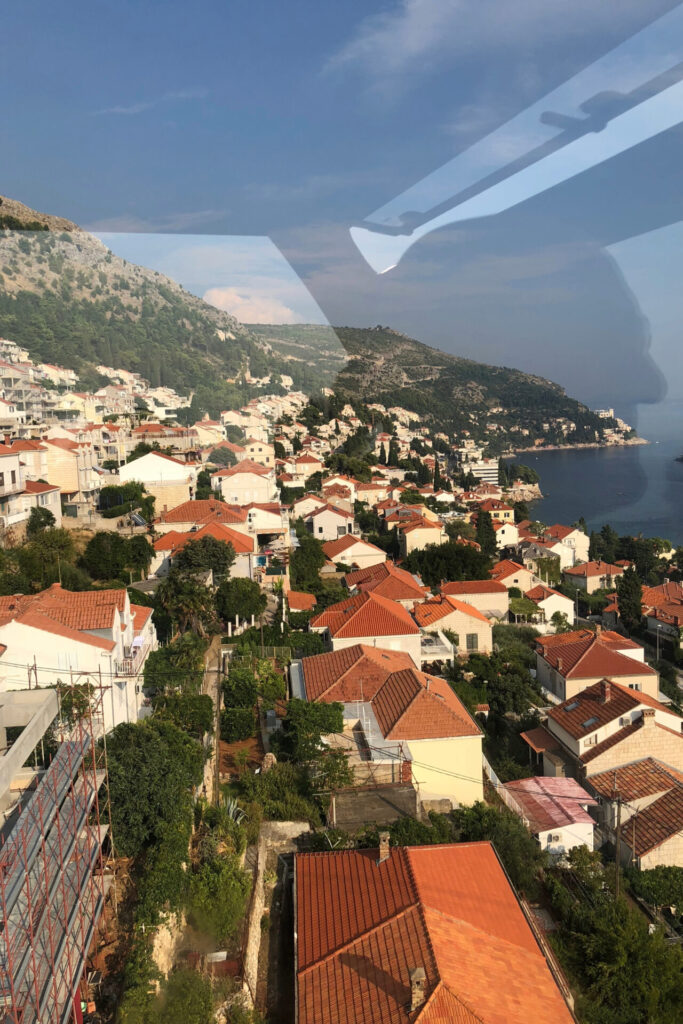
Once you’ve reached the top, take all the pictures you want. Then, you can properly focus on the three main things to do in the area. First, walk to The Imperial Fortress, which is home to the Museum of the Homeland War. The museum is a testament to the 1991-1995 war in Croatia, and the fortress itself was important to the city’s defence.
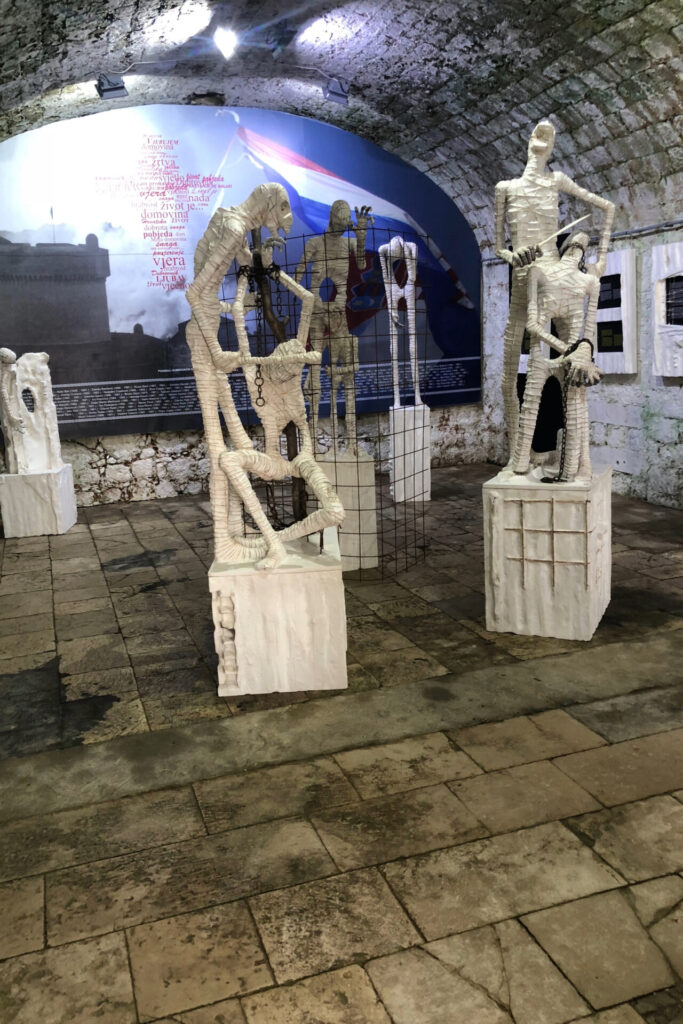
You’ll find a variety of original weapons and ammunition, war photographs, and video recordings of the shelling of Dubrovnik. It’s an amazing display to learn more about the difficulties and the history of the people of Dubrovnik. However, the material is quite heavy and certain areas are particularly graphic, making it a potentially challenging experience for some.
It’s open from 8:30 am to 10 pm from April to September, 9 am to 8 pm in October, and 9 am to 5 pm from November to March. The Dubrovnik Pass covers the museum, but the venue charges individual visitors €5 for an adult ticket and €3 for a concession.
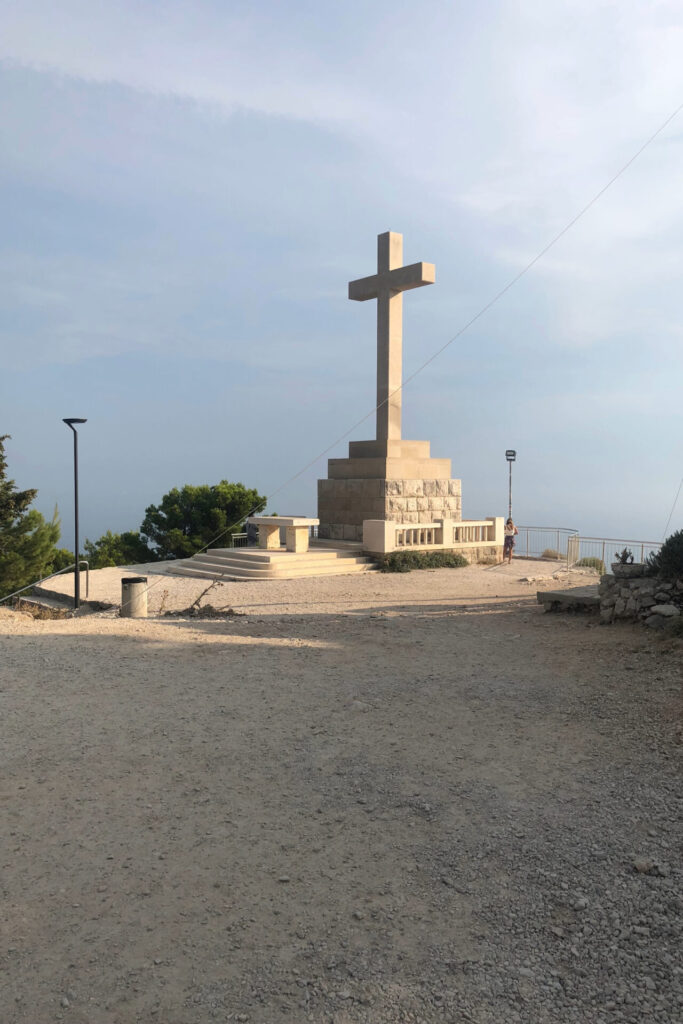
Next, walk past the restaurant to the large white stone cross. This was a gift from the island of Brač to celebrate 2000 years since the birth of Jesus. Now you can return to the Panorama Restaurant for a refreshing cocktail or glass of Pošip wine for fine dining with a view. We recommend sharing the Dalmatian Platter, which includes Pršut (a cured meat), local cheeses from Pag, and marinated olives. It’s the perfect end to the trip before you make your way back down.
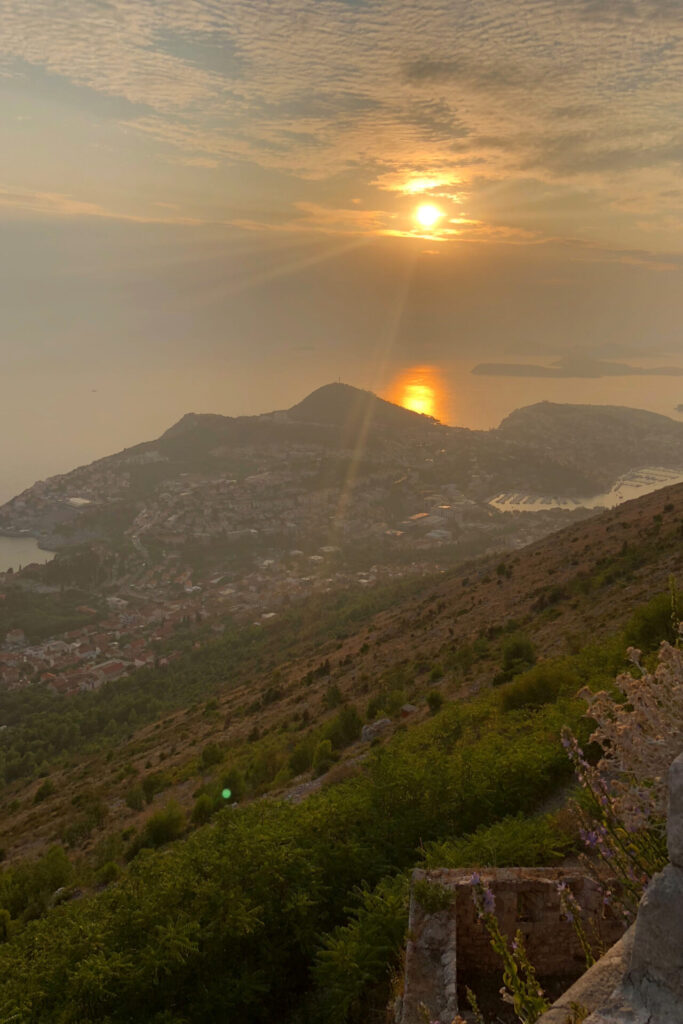
Arguably, the best time to take the cable car is an hour or so before sunset to experience Dubrovnik’s golden hour. You’ll then still have to explore the top as well as the museum. Or, go between 9 am and 11 am for the shortest queues and best pictures of the city’s iconic orange roof buildings.
Explore the Old Town
Even if you don’t find the time to visit one of the museums in the city, Dubrovnik’s Old Town is a museum in itself. The entire place is shut off from vehicles, meaning you can walk around at your own pace. However, there is a lot of space to cover. Fortunately, the town is pretty symmetrical, and if you ever find yourself lost, head south towards the Stradun.
One of the main attractions to see here is the Franciscan Monastery & Old Pharmacy, located next to the Pile Gate. It’s one of the oldest pharmacies in the world that is still open to this day. Here, you can buy creams made from Franciscan recipes using lavender and rose.
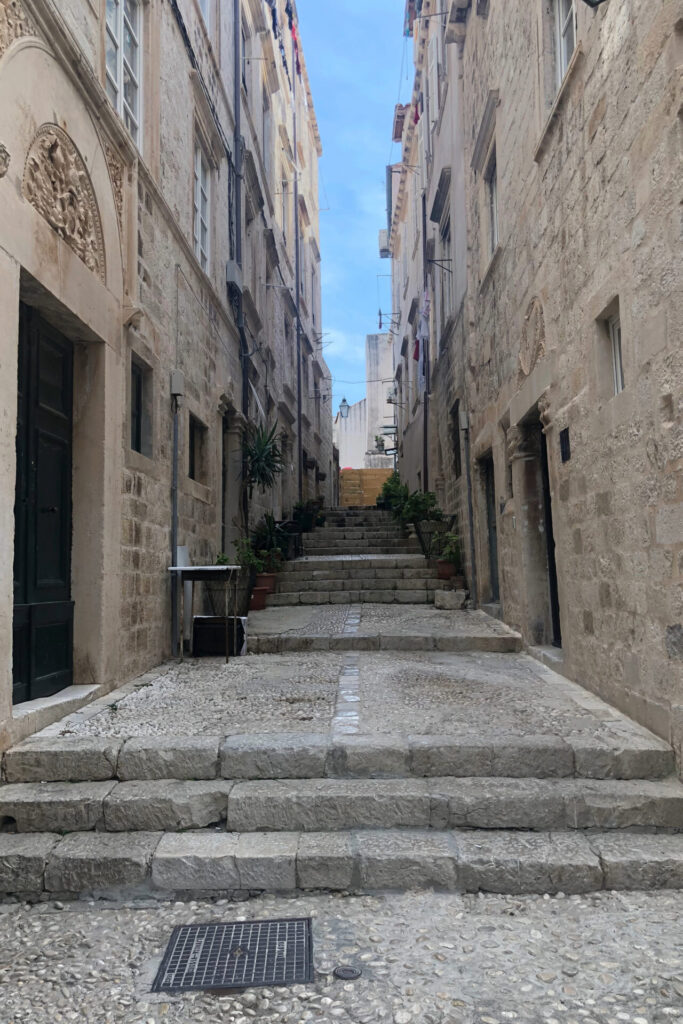
There’s also The Rector’s Palace, which was the seat of the government for the Republic of Ragusa, and Sponza Palace, which has served as an armoury and treasury. It one of the only places to have survived the Great Earthquake of 1667.
You may even recognise parts of the town from Game of Thrones, and you’d be correct. Dubrovnik was used as the King’s Landing and there are plenty of iconic locations to spot as you venture round. For example, there’s the Jesuit Stairs (Walk of Shame) that lead up to the Church of St. Ignatius. There’s also an official replica of the Iron Throne by the Game of Thrones Fan Shop on Boškovićeva Street. Pile Bay (Blackwater Bay) is another famous spot, where the Lannisters sent Myrcella away to Dorne.
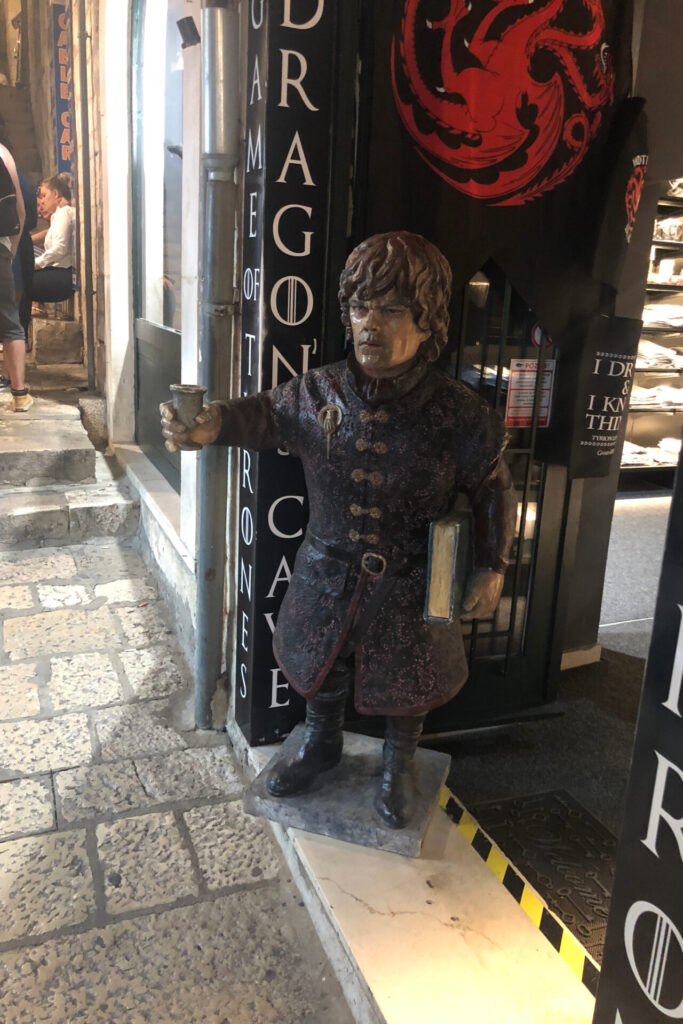
If you’re after some quality Croatian goods rather than your standard magnets and keychains, the Old Town is packed with excellent local shops. You can easily pick up genuine red coral jewellery, herb-infused rakija, dried figs, rich Istrian truffles, and premium Konavle olive oil. Here are the stores where you can find each:
- Red Coral Jewellery – Clara Stones Jewellery, located on Nalješkovićeva Street
- Rakija (and other spirits) – Dubrovačka Kuća, located near the Ploče Gate
- Dried Figs (and local sweets) – Terra Croatica and the Gundulićeva Poljana Market
- Istrian Truffles – Uje, a deli outlet near the centre, and Terra Croatica
- Konavle (and Dalmatian) Olive Oil – Uje, Terra Croatica, and Dubrovačka Kuća
Finish off your day with gelato from Peppino’s Gelato. This is arguably the best ice cream in Dubrovnik. They have a range of unique flavours from orange cheesecake to lemon sorbet and carob and fig.
Head to Cavtat for the Day
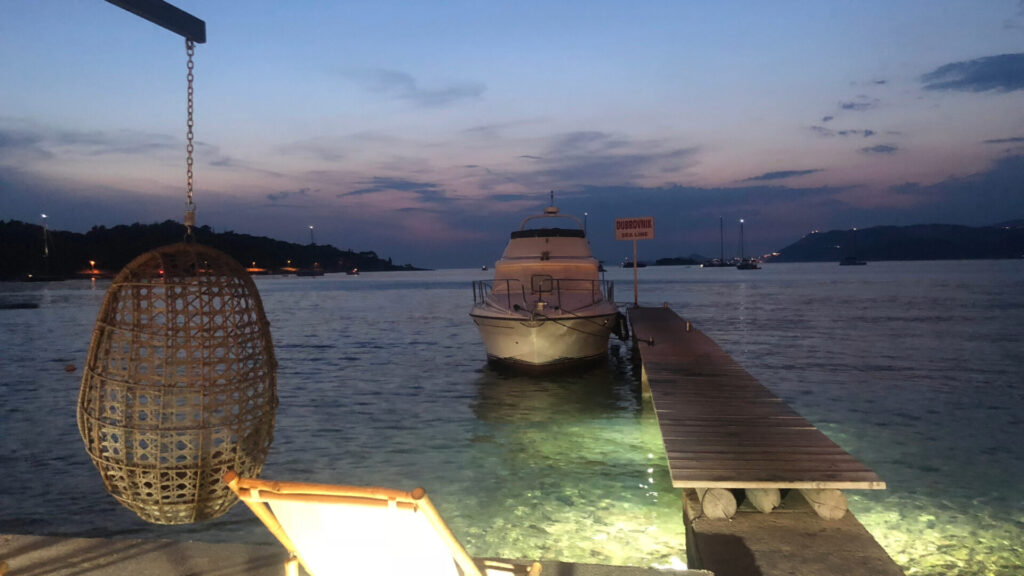
Take a water taxi over to the nearby seaside town of Cavtat for the day. It’s much more laid-back than Dubrovnik and features beach bars and pine forests. The boats regularly depart from the Old Port and cost around €20–€25 for a 45-minute round trip.
Once you reach the Cavtat Waterfront, you have a choice of what you want to do. You can simply walk down the Rat Peninsula Promenade past all the huge pine trees, or consider a trip to the Račić Family Mausoleum and the Vlaho Bukovac House.
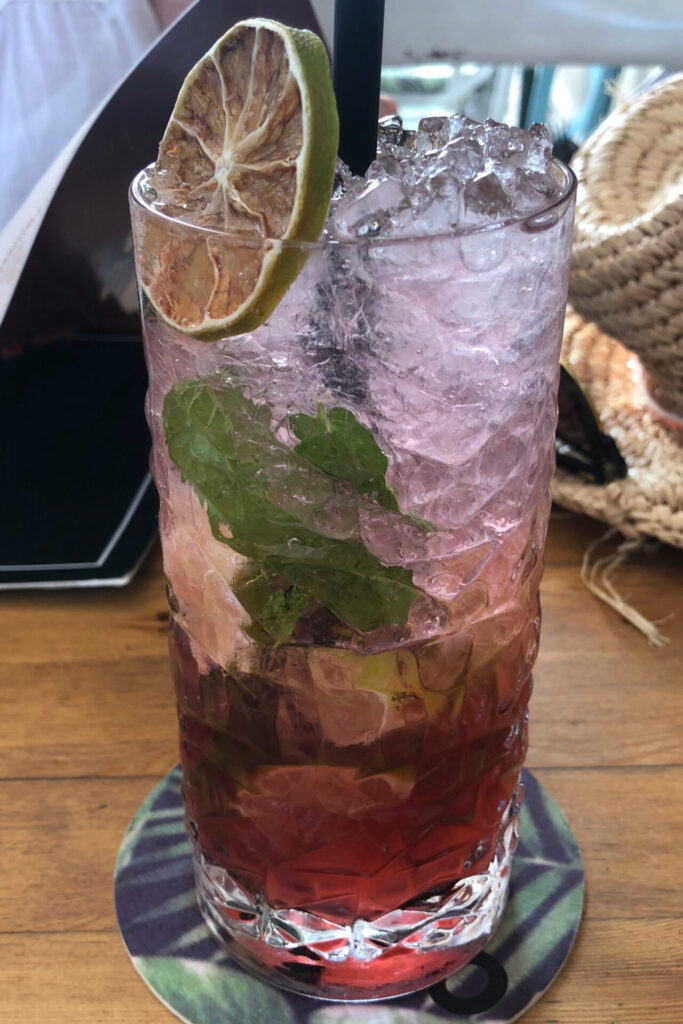
In our opinion, the best way to spend your day in Cavtat is to relax on Žal Beach and hire a sunbed. The cost is €7–€10 per bed, plus extra for an umbrella. It’s always surprisingly quiet here and is the perfect spot to top up your tan or read a new book. Should you get hungry or need refreshments, head for lunch at Bugenvila for a Burrata Salad or Black Squid Risotto. Or order a cocktail at one of the beach bars – Beach Bar Little Star and Eve Lounge Bar are our favourites (the raspberry mojito at Eve Lounge Bar is a must).
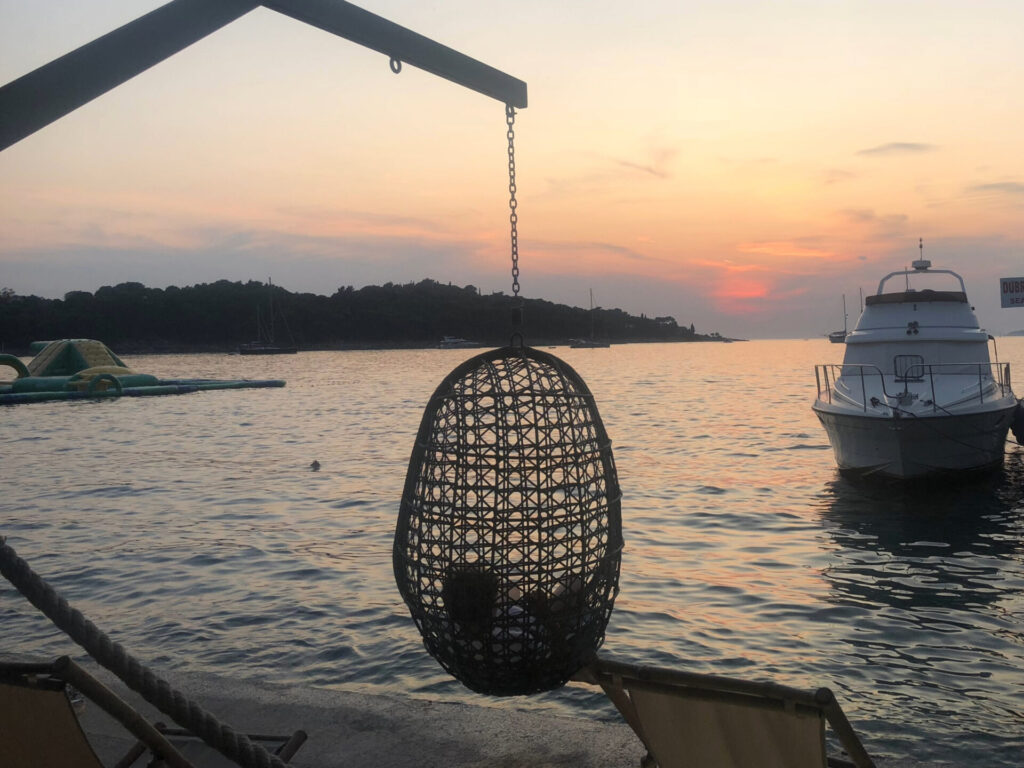
Make sure you know the time of the last boat back to Dubrovnik. Otherwise, you’ll be left in Cavtat and have to make your own way back (and you’ll miss the sunset). If you do find yourself in this position, there is always the Line 10 Libertas Bus (€4 for a single ticket) back to the Old Town, or you can book a taxi service (€25–€35 one way).
Book a Guided Tour to Mostar
The highlight of our time here was a day trip to Mostar in Bosnia and Herzegovina. The tour included a stop-off at some incredible waterfalls. It’s something that requires a full day of your holiday, taking around 3 hours each way (and 12 hours in total). You’ll also need your passport to get across the border.
When booking your guided tour, look for smaller groups of 8-12 people and ensure that it includes a visit to the Kravica Waterfalls (and confirm the entry fee is covered in the cost). Most of the tours depart at 7 am or 7:30 am and return later in the evening. Although, this depends on your itinerary since some include an additional stop off at the Vjetrenica Cave or Počitelj.
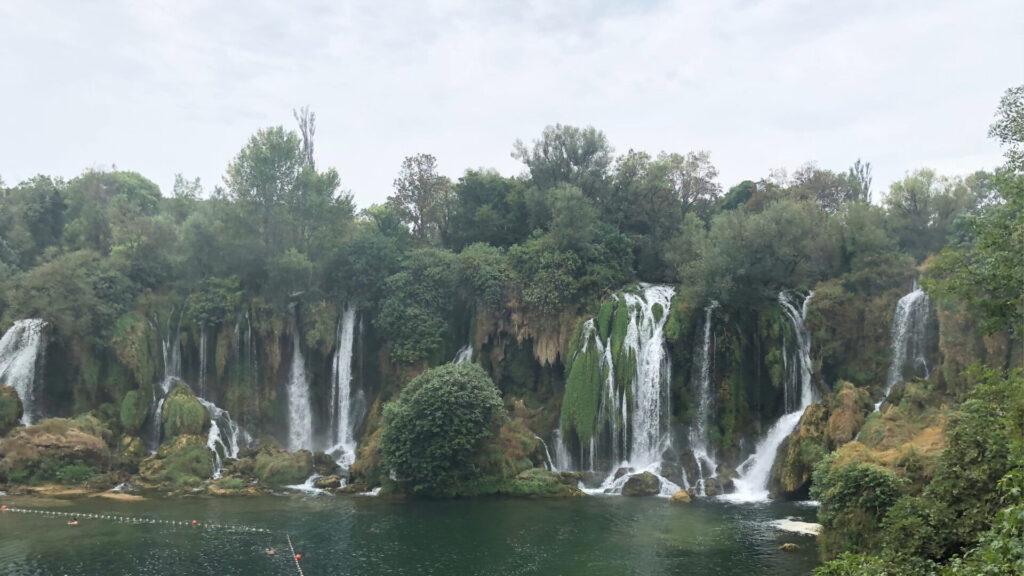
The first stop is usually the Kravica Waterfalls on the Trebižat River. You’ll get up to two hours to swim in the falls, grab a drink, and take pictures. If you do intend to swim, which is often needed in the Bosnian summer heat, make sure to pack towels and swimwear (and keep an eye on the time).
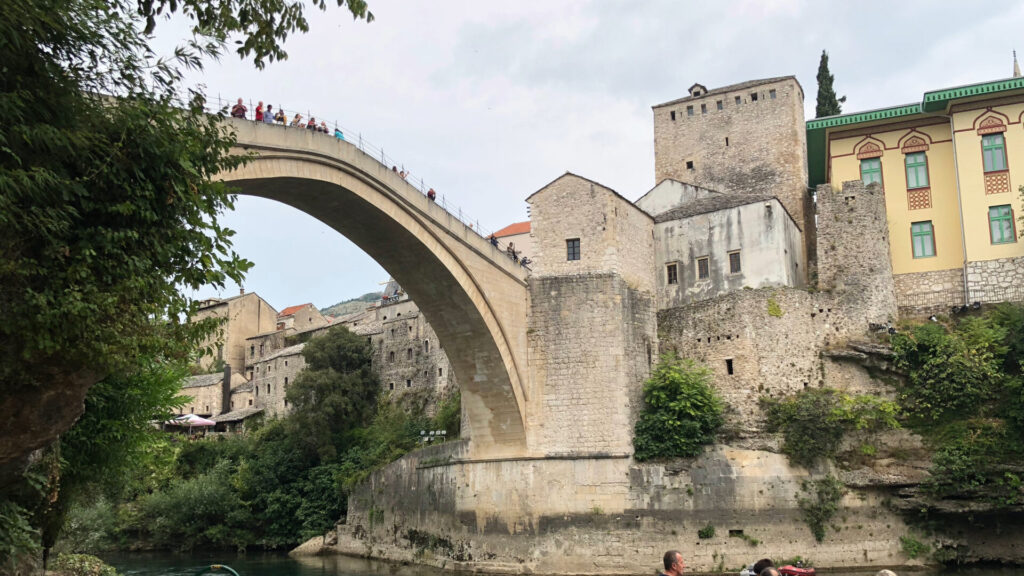
Once you reach Mostar, your guide will likely lead you through the Old Bazaar and to the Stari Most (Old Bridge). It’s a famous landmark that many will recognise for its divers who will collect tips from the crowds after performing their stunts. You may then have some spare time to spend exploring at your own pace.
It’s a common saying from the locals that you haven’t truly been to Mostar if you haven’t tasted the food. So this should be your priority. For the most authentic flavours, find somewhere that serves Ćevapi, which is grilled sausage meat served in a pita-like bread with raw onions and red pepper sauce. Other must-tries include Burek, a flaky pastry filled with spinach, meat, or cheese, and Bosnian coffee served in a copper džezva (along with a piece of Turkish delight).
Many places in Mostar will allow you to pay by credit card or Euros. However, it is worth converting some of your cash into Bosnian Convertible Mark in case you need to shop at local vendors or provide a tip for any services.
Where are the best places to eat in Dubrovnik?
You can’t go wrong when it comes to dining in Dubrovnik. The city boasts an incredible dining scene, showcasing everything from upscale terrace eateries to tucked-away family taverns. This culinary lineup blends Croatian, Dalmatian, and Mediterranean traditions, so you truly are spoilt for choice.
Nautika
Nautika is the epitome of fine dining and considered to be the most romantic restaurant in Dubrovnik. The restaurant is located by the Pile Gate with a terrace for people-watching and looking out at the Lovrijenac and Bokar fortresses.
The former Dubrovnik School of Maritime Studies has carefully crafted its menu over the years to perfectly blend innovation with traditional Mediterranean flavours. They source the seafood fresh, too, from the Dubrovnik harbour, so you know it’s the real deal.
Top dishes include the Lobster Tail from the island of Vis, the Veal Cheek and Dubrovnik Malvasija Sauce, and the Beef Charolais Fillet. They also have the Bokar and Lovrijenac Tasting Menus that are prepared exclusively for the whole table. A reservation is required to secure a table for your party, and you need to email if this exceeds 12 people.
Restaurant 360
Built into the UNESCO heritage city walls, Restaurant 360 is a Michelin-starred restaurant in Dubrovnik with a curved terrace and views of the Old Port. The service here is the selling point. Butlers and sommeliers are on hand to guide you through your decisions for the best Mediterranean experience.
They have among the most extensive collections of wine in the Balkans. Their list includes more than 450 labels, including Grk and Pošip. Chef Marijo Curić’s menu consists of Red Snapper with Shrimp Sauce and Potato Foam, Beef Tenderloin with Mushroom Cream, and Pigeon with Buckwheat Risotto.
You can also choose to sample their Antologia tasting menu that includes Oysters with Dill Dressing, Lamb with Eggplant Cream, and Muscovado Biscuit with Cardamom and Raspberry Sorbet Served with Champagne Foam. The wine pairings for this are true reflections of the region, including staples like Blatina and Maraština.
Restaurant Kopun
Kopun is the best place for traditional Croatian food in Dubrovnik. They cover a variety of centuries-old dishes you won’t find elsewhere in the city. It’s a warm and welcoming venue in a quiet square by the Jesuit stairs.
The kitchen crafts dishes from fresh ingredients, drawing influence from many different cultures, including Austrian, Italian, and Hungarian. Visitors should consider ordering the Black Risotto with Oyster, Baked Octopus, and Šporki Makaruli. This is a slow-cooked beef ragu served over tube-shaped pasta.
Trattoria Carmen
Located near the Aquarium within the city walls, family-run Trattoria Carmen is a favorite among locals. It is well-known for its delicious, reasonably priced Italian dishes. They serve lunch and dinner every day except Monday. Be sure to try regional wines like the bold Plavac Mali or sweet Prošek dessert wine.
Recommendations to order here are the Seafood Stew, Octopus Carmen, and Istrian Fuži, which is served with Dalmatian prosciutto and truffles.
Soul Kitchen
Soul Kitchen is one of the best places to find gluten-free, vegan, and vegetarian dishes in Dubrovnik. This can be difficult to find in traditional taverns. The restaurant is found within a building with original exposed stone walls, reclaimed wood, and funky artwork, and you can see the chefs in action from the open kitchen.
The menu is quirky with a ‘fresh food with personality’ concept that includes street food from around the world (and in generous portions). Consider ordering the following dishes for your table:
- Don’t Worry Be Curry – A plant-based Thai curry with sweet potatoes, chickpeas, spinach, and yoghurt served with bread.
- Give Peas a Chance – A creamy pasta with a pea sauce, gorgonzola, pomegranate, and walnuts.
- You’re One in a Melon – A watermelon salad with feta, cucumber, rocket, and basil pesto.
- Let’s Taco ‘Bout It – Al Pastor-style tofu tacos served with guacamole and rocket.
Travel Tips for Dubrovnik
To ensure you make the most of your time in Dubrovnik and remain safe and comfortable, here are some of our recommendations and tips for your stay in the city:
- Wear shoes with a good grip when walking around the streets since the limestone can be slippery.
- Always carry some euros with you. Smaller vendors like ice cream stalls and souvenir shops may not have a card reader.
- The water from the Onofrio Fountains and both ends of the Stradun in the city walls is safe to drink. Therefore, bring a reusable water bottle along with you.
- Avoid walking through the Old Town shirtless or in swimwear, as you may receive a fine. Always cover up when leaving the beach or a boat.
- The Dubrovnik Pass is beneficial if you plan to walk around the walls and explore at least two museums. It includes local bus transport if you stay in Babin Kuk or Lapad.
- Dubrovnik Tourist Tax is often paid for at your hotel. In 2026, it costs around €2.65 per adult per night during the peak months of April to September. This drops to €1.85 in the shoulder and winter months.